
Strengthening Data Analysis for Effective Cholera Mitigation in Zim
on November 19, 2023 in News

Masvingo, Zimbabwe – To bolster the fight against cholera and improve response activities, the Ministry of Health and Child Care (MoHCC) in collaboration with the World Health Organization (WHO) trained and equipped 54 health information officers with the necessary skills to analyze data effectively, enabling more efficient and targeted interventions. The training carried out from 13-17 November 2023, was supported by with funding from United Nations Central Emergency Response Fund (UN CERF) as well as the Contingency Fund for Emergencies (CFE).
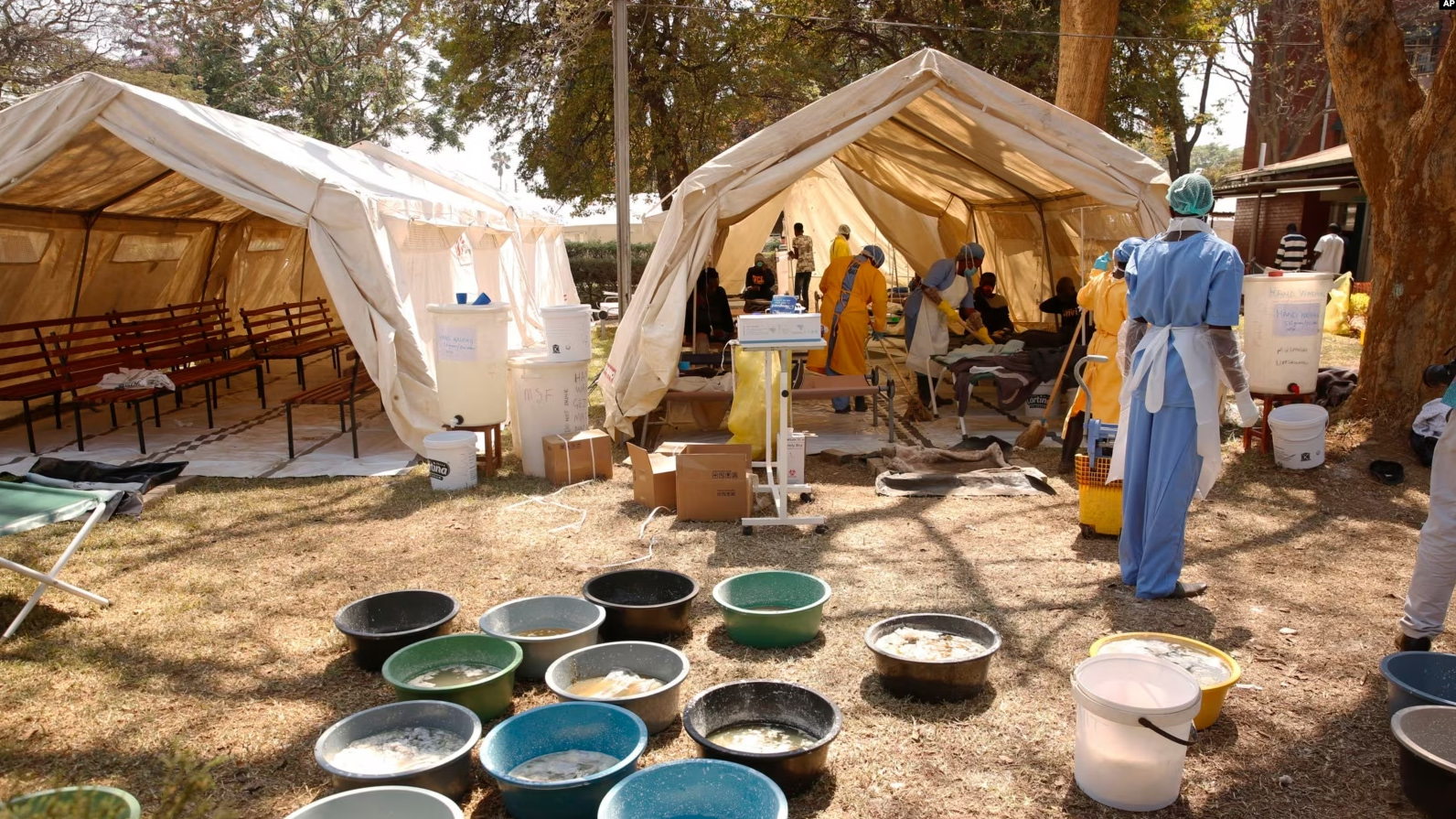
Cholera, a highly contagious waterborne disease, continues to pose a significant public health challenge in many parts of the Zimbabwe. Rapid and accurate data analysis is crucial in understanding the spread of the disease, identifying high-risk areas, and implementing timely interventions.
MoHCC rapid diseases surveillance manager Mr Alex Goredema, emphasized the significance of this training, stating: “Accurate and timely data analysis is the backbone of effective cholera response. By investing in the training of health information officers, we are empowering them to make informed decisions that can save lives and prevent the further spread of the disease.”
The training programme covered a wide range of topics, including data collection methods, statistical analysis, data visualization, and interpretation. It incorporated both theoretical and practical components, allowing health information officers to apply their newly acquired skills to real-world scenarios. Through hands-on exercises and case studies, participants gained valuable experience in analyzing data sets specific to cholera outbreaks. This practical approach ensures that data officers are well-prepared to tackle the challenges they may encounter in the field.
Furthermore, the Ministry of Health has also established a dedicated support system to assist the health information officers (HIOs) in their work. This includes access to advanced data analysis tools and ongoing mentorship from experienced professionals. By fostering a collaborative environment, the Ministry aims to create a network of skilled health information officers who can share best practices and contribute to continuous improvement in data analysis techniques particularly during emergencies.
The impact of this training program is expected to be far-reaching. With enhanced data analysis capabilities, the Ministry of Health can identify cholera hotspots more accurately, allocate resources efficiently, and implement targeted interventions promptly. This, in turn, will help reduce the burden of cholera on affected communities and save lives.
“The training has been informative and a good refresher as we are responding to the cholera outbreak. The training provided us with the right information we need,” said Provincial Health Information Officer for Masvingo, Allen Mabhena.
Data management is one of WHO key priorities to strengthen country’s capacities for emergency preparedness to monitor the health of its population and the impact of health interventions and promote evidence-informed policy decisions. This is done through strengthening country health information, data generation, and evidence creation to address critical data gaps for priority health topics like cholera.
“Safe collection, storage, visualization and use of data are critical to planning, monitoring, and evaluation of the national health system. We are really excited that for the first time we will be incorporating predictive modeling and analysis to help identify areas were potential outbreaks may occur, giving an opportunity to adequately prepare and respond to health emergencies,” said Trevor Muchabaiwa, Data Manager at WHO Zimbabwe.
He added, “This training will ultimately ensure all policy makers have access to accurate, timely and analytical information to guarantee data driven decisions, as we continue fighting this outbreak.”
SOURCE::: WHO via link https://www.afro.who.int/countries/zimbabwe/news/strengthening-data-analysis-effective-cholera-mitigation-zimbabwe




Recent Comments