UN Concerned by Spread of Cholera to 10 African Countries

on January 18, 2024 in News
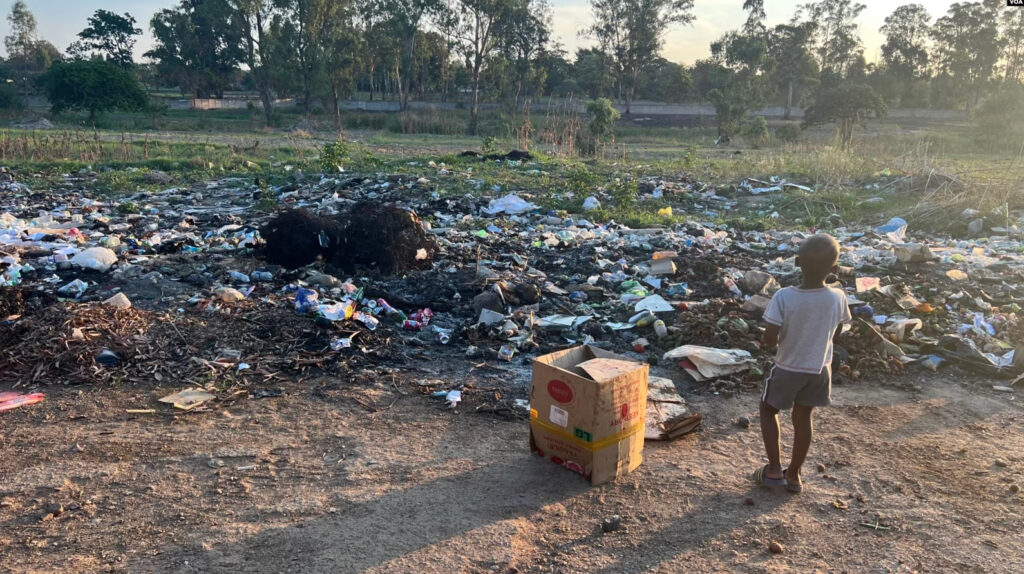
A child plays near a pile of garbage in Harare, Zimbabwe, on Jan. 17, 2024. Observers say uncollected refuse is one of the causes fueling an outbreak of cholera in Zimbabwe and other African nations.

HARARE, ZIMBABWE — The U.N.’s Children’s Fund expressed alarm this week about a cholera outbreak in Africa that has spread to at least 10 countries, with the situation in Zambia and Zimbabwe “very serious.”

Dr. Paul Ngwakum, the regional health adviser for UNICEF in East and Southern Africa, said about 200,000 cases have been reported and more than 3,000 lives taken by the disease.

Of the 10 countries he named as having an active outbreak, Ethiopia, Mozambique, Tanzania, Somalia, Zambia and Zimbabwe are in “acute cholera crisis.”

“The key drivers are long-term poor water sanitation and hygiene conditions, exacerbated by changing weather patterns, climate change leading to floods and droughts, end-of-year festivities, inadequate community sensitization [and] late care-seeking behavior for those that are affected,” Ngwakum said.

“Children, unfortunately, carry the lion’s share of the affected,” he said. “For example, over 52% of the cases in Zambia are children less than 15 years old.”

Ngwakum said Zambia and Zimbabwe are experiencing a rapid rise in the number of cases since the Christmas and New Year holidays, with 1,000 cholera cases reported a week in each of the neighboring countries.

“The situation in Zambia and Zimbabwe is very serious,” he said. “These two countries are the most affected in the region. In Zambia, nine out of 10 provinces are reporting cases.”

The disease’s fatality rate is alarmingly high, Ngwakum said, with 4% of the more than 9,000 cases ending in death.

“This is extremely high because the acceptable threshold is below 1%,” he said. “Since the beginning of 2024 alone, Zimbabwe has recorded over 17,000 cases, with about 384 deaths. … And these continue to spread geographically.”
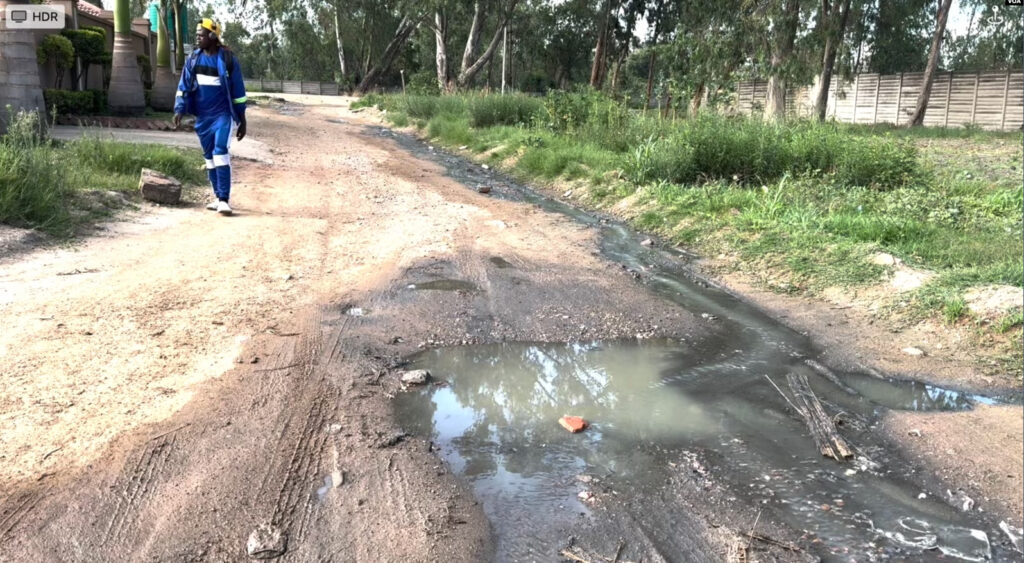
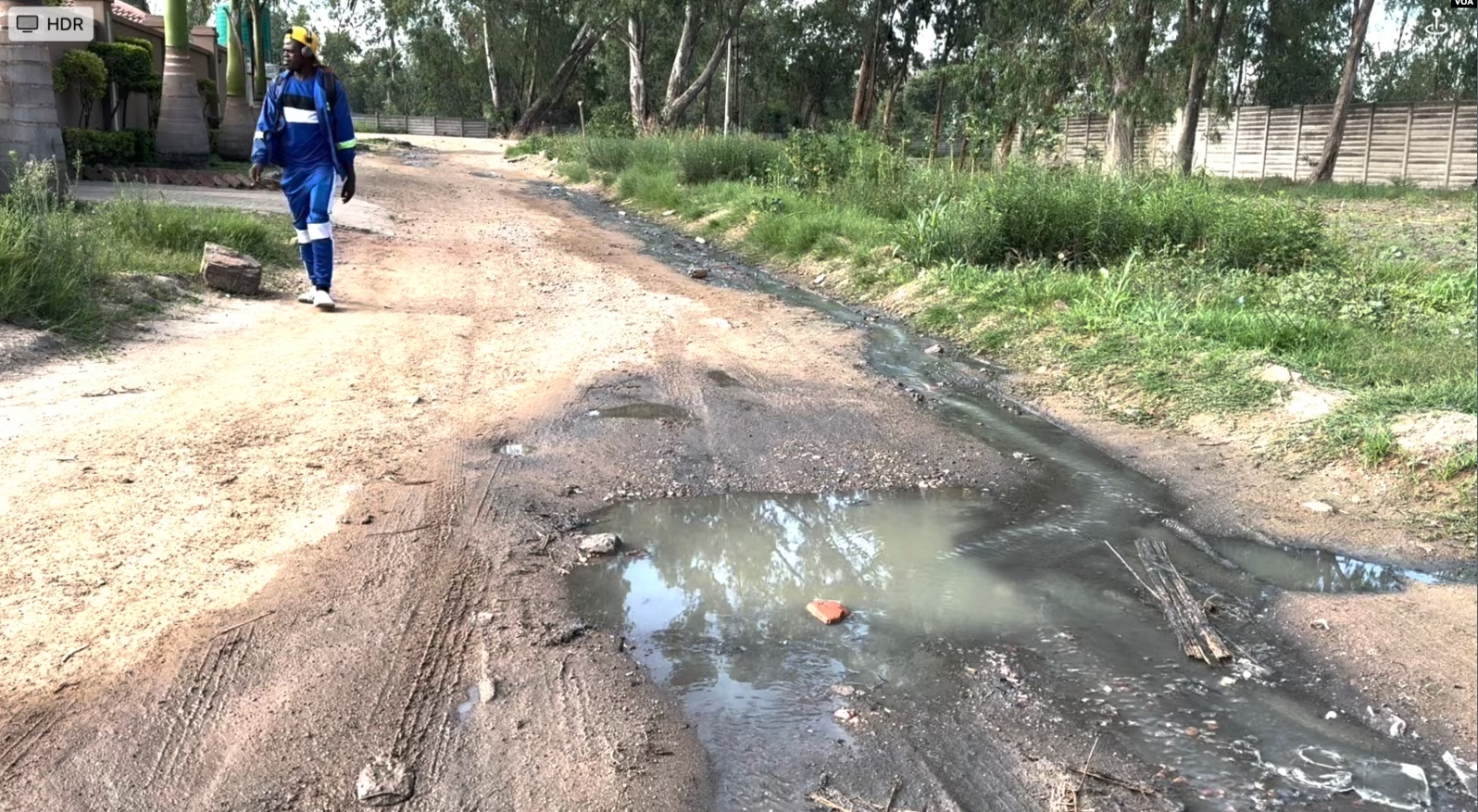
A man walks past flowing sewage in Harare, Zimbabwe, on Jan. 17, 2024

In Zimbabwe, a shortage of purified water is forcing residents to depend on open sources. That, along with uncollected refuse and running sewage, are being blamed for the waterborne disease.

Douglas Mombeshora, Zimbabwe’s health minister, said the central government is doing all it can to contain the outbreak, starting in the capital, Harare.

“If you move around … Harare, people are just dumping garbage in undesignated areas, and this has not been collected,” Mombeshora said.

“So government has mobilised resources so that we clean up Harare. And government is moving in to mobilize resources to procure water-treating chemicals. Supply of potable water has dropped from 350 megaliters to 200 megaliters per day.”

Itai Rusike, executive director of the Community Working Group on Health in Zimbabwe, called on the government to declare a national disaster so that international aid agencies such as WHO, UNICEF and USAID can swiftly help to contain the cholera outbreak.

“All the measures to end cholera are in the purview of the government — central government or local government — by providing safe water, safe sanitation and also hygienic safe disposal,” Rusike said.

“So the buck stops with the government in making sure that people are provided with uninterrupted potable water, refuse is collected on time, burst sewer pipes are fixed [promptly] and the general public are given information about cholera guidelines and protocols.”

UNICEF fears that if the outbreaks are not controlled, it will mean schools closing — as is already the case in Zambia.

SOURCE:: VOA via link https://www.voanews.com/a/un-concerned-by-spread-of-cholera-to-10-african-countries/7443730.html
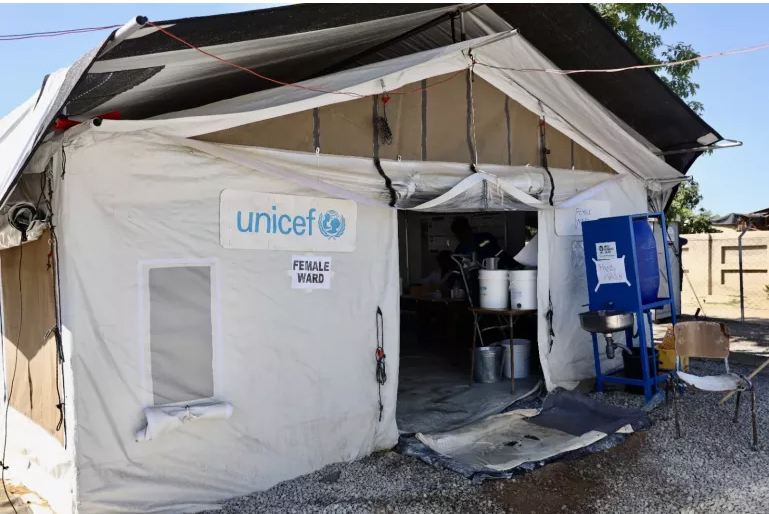
As cholera cases continue to rise in parts of southern Africa, UNICEF calls for increased focus on children in the cholera response

on January 18, 2024 in News

The cholera epidemic that affected multiple countries in Eastern and Southern Africa in 2023 persists and continues to impact the region, placing additional strain on communities and healthcare facilities. Since 2023, 13 countries in the region have battled one of the worst cholera outbreaks to hit the region in years and as of 15 January 2024, more than 200, 000 cases, including over 3000 deaths, have been reported.  

Since the first reported case in Zambia in October 2023, more than 9,500 people have been affected and 374 deaths have been registered, with a case fatality rate of 3.9 per cent, a devastatingly high number. 9 out of 10 provinces are now reporting cholera cases. About 52 per cent of all cases in Zambia are children under 15 years. Lusaka, as the worst affected district, shares over 90 per cent of the disease burden.   

In Zimbabwe, since the start of the outbreak in February last year, more than 18,000 cases have been reported across all 10 provinces, with 71 confirmed deaths and more than 300 suspected deaths. Harare and Manicaland Provinces are the most affected. One in six new cholera infections in Zimbabwe are affecting children under 5.  

“The cholera outbreak in the region is a significant concern to the health and well-being of children. In the face of escalating challenges posed by cholera and other disease outbreaks, we thank governments for their major efforts in managing health crises, and all partners for their support to address the situation. Investments in strengthening systems to address the root causes of cholera and other public health emergencies, particularly on enhancing access to clean water, improved sanitation and hygiene, social behavior change and quality of case management are imperative,” said Ms. Etleva Kadilli, UNICEF Regional Director for Eastern and Southern Africa.   

“In addition, the impact of climate change, worsened by phenomena such as El Niño, further underscores the urgency of the situation. As we extend our unwavering support to ongoing government initiatives in ensuring clean water supply, safe sanitation, implementing vaccinations, and working with communities, among other critical interventions, a comprehensive response that not only addresses the immediate health crisis but also considers the broader implications for children in the region, is vital.”  

The outbreak has rapidly gained momentum in the region, placing an immense strain on healthcare systems and exposing vulnerabilities in sanitation and hygiene infrastructure. Inadequate access to clean water and sanitation facilities, and overcrowded living conditions, prevalent in many urban areas, exacerbate the risk of transmission.   

Throughout the region, in addition to providing lifesaving supplies for prevention and treatment, UNICEF is working closely with Government agencies and community members to promote hygiene practices, improve water and sanitation infrastructure, and ensure that families have access to the information and resources they need to protect their children.  

With additional measures to protect children, the new school year has resumed as planned in Zimbabwe. But in Zambia, the cholera escalation has led to the postponement of the start of the school until 29 January for all schools. Approximately 4.3 million learners are affected.   

Ms. Kadilli expressed deep concern over the unfolding crisis, emphasizing the vulnerability of children in affected areas.   

“The impact on children goes beyond the direct health consequences of cholera. Learning loss is a major concern. It is imperative that the response not only be swift but also considers the long-term well-being of these young children. As the new school year is starting in many countries in the region, it is crucial for measures to be put in place in schools to protect children against infections,” she remarked.  

Across the region, to mitigate the impact of multiple public health emergencies, UNICEF continues to work towards and advocate for sustained investments in resilient healthcare systems, water and sanitation infrastructure including promotion of safe hygiene practices, and community engagement. UNICEF’s programmes for children in the region have been made possible thanks to dedicated donors and partners, and donors are urged to continue prioritizing funding to protect children in the region.   

UNICEF’s actions to reduce the impact of the cholera outbreak and protect children in the region include:  

 Zimbabwe  

· UNICEF and partners have reached more than 190,000 people, including 87,000 children with safe water since the outset of the outbreak.  

· UNICEF provided supplies to more than 50 cholera treatment centers for the treatment of patients.  

· UNICEF and partners have reached 4.4 million people with cholera messages on infection prevention and control and access to services, including an on-going cholera-prevention back to school campaign.  

· UNICEF is supporting the government towards Oral Cholera Vaccination targeting 2.2 million people in 29 high risk districts in 8 provinces.  

Zambia  

· UNICEF has provided to the Ministry of Health (MOH) 30 Acute Watery Diarrhoea (renewable) kits which can treat about 3,000 people; supplied 6 high performance tents to different outbreak districts; and donated 320,000 sachets of ORS to the MoH. In addition, other medical supplies including IV fluids, antibiotics, paracetamol tablets, zinc sulphate tablets, infusion sets for the IV fluids and water purifying tablets have been provided to treat the more than 7,000 cholera patients recorded so far. UNICEF is further providing procurement services and logistics for the procurement of cholera rapid diagnostic kits funded by Gavi, the vaccines alliance.  

· In addition, UNICEF and WHO have handed over 1.4 million Oral Cholera Vaccines to the Ministry of Health, today (15 January 2024).  

· In the area of WASH, UNICEF has provided technical assistance such as cluster coordination, technical assessments, and water quality monitoring, as well as 834 boxes of 12 liquid chlorine, 31 containers of granular chlorine, 2,068 buckets and 20 boxes of liquid soap reaching about 70,000 people.   

·UNICEF is also providing psychosocial support through helplines. Between December and January 10th, about 3,600 callers were supported.  

· UNICEF has supported the training and deployment of 240 community-based volunteers (CBV) through the Red Cross Society (ZRCS) and additional 350 CBV through direct support to the Government of Zambia which are targeting about 2.4 million people throughout the country with cholera messages on prevention and access to services. Moreover, UNICEF is supporting the Ministry of Health with Public Service Announcements on cholera aired on national TV and radio stations expecting to reach about 2 million and 5 million people, respectively.   

SOURCE:: UNICEF via link https://www.unicef.org/zimbabwe/press-releases/cholera-cases-continue-rise-parts-southern-africa-unicef-calls-increased-focus