
Adolescent pregnancies surge

on April 29, 2024 in News

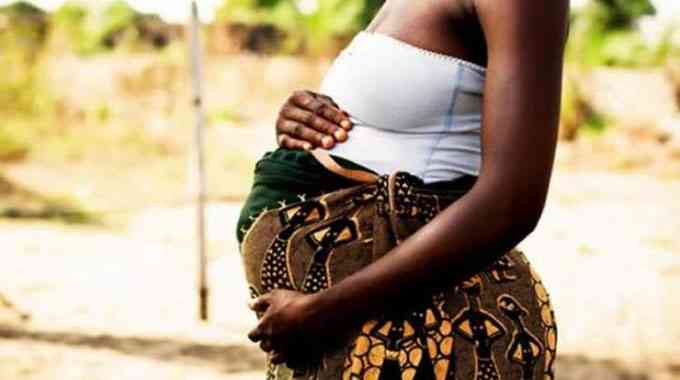
Unicef’s Adolescent Pregnancies in Zimbabwe report published recently by the Health and Child Care ministry and Unicef with the support of the United Nations Population Fund (UNFPA) and Unesco, indicates an adolescent pregnancy prevalence rate in Zimbabwe of 23,7%

A SIGNIFICANT chunk of the pregnancies attended to at some health institutions across the country involved adolescent girls under 19 years a United Nations Children’s Fund (Unicef) report has revealed.

Unicef’s Adolescent Pregnancies in Zimbabwe report published recently by the Health and Child Care ministry and Unicef with the support of the United Nations Population Fund (UNFPA) and Unesco, indicates an adolescent pregnancy prevalence rate in Zimbabwe of 23,7%.

The UN agency said the Health Resilience Fund being spearheaded by the government, development and technical partners is tackling such issues through efforts to improve access to primary healthcare services.

The Health Resilience Fund is a co-ordinated effort by the government and development and technical partners supporting the Health and Child Care ministry to attain universal health coverage for Zimbabweans.

It is also led by the Health and Child Care ministry and benefits from financial contributions from the European Union, the governments of Ireland and the United Kingdom, Gavi, the Vaccine Alliance and technical support from UNFPA, Unicef, and the World Health Organisation.

Its programmes are implemented at national, provincial, district and community levels by implementing partners.

According to Unicef, the fund assists Plumtree District Hospital by training healthcare workers, providing clinical mentorship for doctor-nurse teams, and providing health supplies and medicines.

Particular attention is given to the health of adolescent girls, as Zimbabwe faces high levels of early pregnancies.

“The Adolescent Pregnancies in Zimbabwe, published recently by the Ministry of Health and Child Care and Unicef with the support of UNFPA and Unesco, indicates an adolescent pregnancy prevalence rate in Zimbabwe of 23,7%.

“At Plumtree District Hospital, 29 out of the 34 mothers seen at the maternity waiting home on the visit day were adolescents under 19,” the report indicated.

Unicef also said accessing essential medicines was key to the Health Resilience Fund’s ultimate objective.

The report further indicated: “This accessibility contributes to ensuring universal health coverage for all Zimbabweans, meaning everyone in Zimbabwe has access to a full range of quality health services without financial hardship.

“Ensuring universal health coverage implies health services are brought to the people, like here through an outreach activity in Matabeleland South.

“To end preventable deaths in maternal, newborn and child health, interventions of the Health Resilience Fund emphasise increased availability, equity and access to essential reproductive maternal, newborn, child and adolescent health and nutrition services, including through promoting community participation and bringing health services as close as possible to the people’s everyday environment.”

SOURCE:: Zimbabwe Independent via link https://www.newsday.co.zw/theindependent/local-news/article/200026011/adolescent-pregnancies-surge
Invest in health, govt told

on April 29, 2024 in News

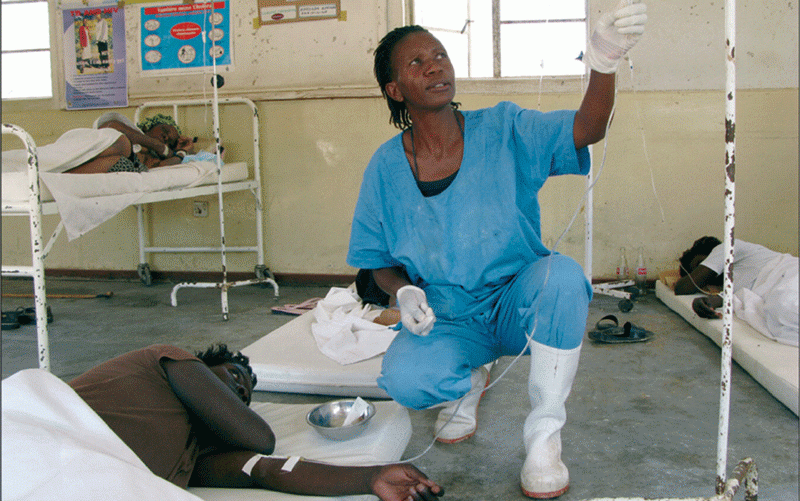
Zimcodd said the lack of accessibility disproportionately affects pregnant women, the elderly, and the people with disability community

GOVERNMENT has been urged to heavily invest in public health because the country risks missing its United Nations Sustainable Development Goals (SDGs).

The Zimbabwe Coalition on Debt and Development (Zimcodd) made the call after a survey it conducted indicated that more than 58% of the country’s 57 districts were experiencing poor supply of essential medical drugs.

In its health and education situation report, Zimcodd said Zimbabwe’s healthcare system was plagued by inadequate finance, corruption, biased spending and lack of community involvement.

“Governments must heavily invest in public healthcare. In Africa, signatories to the Abuja Declaration of 2001, including Zimbabwe, agreed to earmark 15% of their national budgets towards public health spending,” Zimcodd said.

“Public health is critical in determining a country’s health status and economic development, as nations that spend more on healthcare will have healthier and more productive human capital, reducing health-related inequalities and powering national output [GDP] growth.”

The pressure group said 64% of the districts reported an acute shortage of healthcare personnel.

The results further indicated that 54% of the districts surveyed require increased investments in the construction of new or renovation of existing healthcare infrastructure.

It further indicated that 61% of the districts required medical equipment of the 21st century to improve public health service delivery.

Said the report: “This is in sync with official statistics showing low capital expenditure on health; for instance, only 12,5% of 2020 public spending was for health capital projects.

“More so, about 69% and 70% of the districts have poor maternal healthcare and ambulance services, respectively. It is appalling to note that the survey results show that only half of the districts have accessible healthcare facilities.”

Zimcodd argued that the results showed a deepening structural inequality — a system of privilege created by institutions within an economy.

“This lack of accessibility disproportionately affects pregnant women, the elderly, and the people with disability community,” the report said.

“However, survey results show that with a tightening economy characterised by chronic inflation and volatile local currency (Zimdollar), public sector healthcare services are affordable compared to private healthcare providers.”

It further indicated that official statistics, however, showed that the government has increased health funding from US$117 million in 2020 to an average of US$460 million from 2021 to 2024.

“The increase aligns with its commitment to the National Development Strategy 1 (NDS 1) outcome of increasing domestic funding for health.

“The NDS 1 (National Development Strategy 1) is the national policy which every other policy thrust is built upon. This is evidenced by the National Health Strategy whose objectives and pillars are in alignment with the NDS 1 health targets,” Zimcodd added.

It further indicated that to address the barriers and improve healthcare delivery there is need for increased community participation and better equipped lower-level health facilities.

It called for enhanced citizen expenditure monitoring, staff retention measures and increased resource allocation.

SOURCE:: NewsDay via link https://www.newsday.co.zw/thestandard/health/article/200026050/invest-in-health-govt-told