Matabeleland South is happy with the change Health Resilience Funds is bringing

on May 8, 2024 in Health and Wellbeing, News, Women and Maternal Health

Health Resilience Fund strengthens access to primary health care in the most remote places in Zimbabwe
In Matabeleland South Province, the Health Resilience Fund is changing access to primary health care services. We saw many happy faces during a recent media field mission to Gwanda, Umzingwane, and Bulilima Districts with the Ministry of Health and Child Care and the Health Resilience Fund Communication Officer. Local communities expressed gratitude for the strengthened healthcare delivery system, which makes basic essential healthcare services available to all, including those in the most remote areas of the Country.

The Health Resilience Fund is a coordinated effort by the Zimbabwean Government and development and technical partners supporting the Ministry of Health and Child Care in attaining Universal Health Coverage for the people of Zimbabwe.

The Fund is led by the Ministry of Health and Child Care and benefits from financial contributions from the European Union, the Governments of Ireland, the United Kingdom, Gavi, the Vaccine Alliance, and technical support from UNFPA, UNICEF, and the WHO.

The programmes supported by the Health Resilience Fund are implemented by the Ministry of Health and Child Care at national, provincial, district and community levels and by implementing partners.
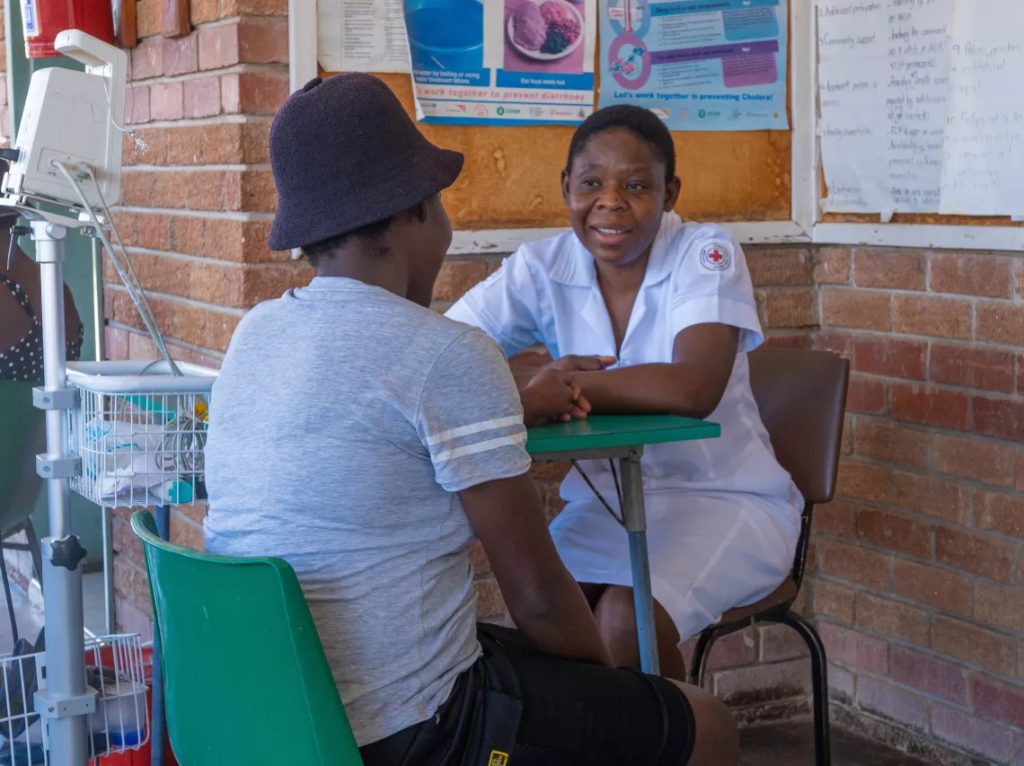
The Health Resilience Fund is about bringing health care close to the people. In the Plumtree District Hospital, a student nurse aide consults a local patient to provide her with the most accurate health services.

The Health Resilience Fund supports the Plumtree District Hospital by training healthcare workers, providing clinical mentorship for doctor-nurse teams, and providing health supplies and medicines.

It functions as a referral hospital for the local health facilities in the area.

Through the support provided at the hospitals and health facilities at the national, provincial, district and local regional levels, the Health Resilience Fund aims to reduce maternal, neonatal and child mortality and teenage pregnancies and to strengthen health systems to tackle current and future health challenges.

The Health Resilience Fund focuses on women, neonates, children under 5, adolescents, youth, and vulnerable populations, including people with disabilities and marginalised populations.

Particular attention goes to the health of adolescent girls, as Zimbabwe faces high levels of early pregnancies.

The Adolescent Pregnancies in Zimbabwe,  published recently by the Ministry of Health and Child Care and UNICEF with the support of UNFPA and UNESCO, indicates an adolescent pregnancy prevalence rate in Zimbabwe of 23.7 per cent.

At Plumtree District Hospital, 29 out of the 34 mothers seen at the maternity waiting home on the visit’s day were adolescents under 19.

The nurse in charge of one of the health facilities in Umzingwane District proudly showed her pharmacy.

Thanks to the support of the Health Resilience Fund, drug shortages have become rare in her facility. Accessing essential medicines is key to the Health Resilience Fund’s ultimate objective.

This accessibility contributes to ensuring Universal Health Coverage for all Zimbabweans, meaning everyone in Zimbabwe has access to a full range of quality health services without financial hardship. 
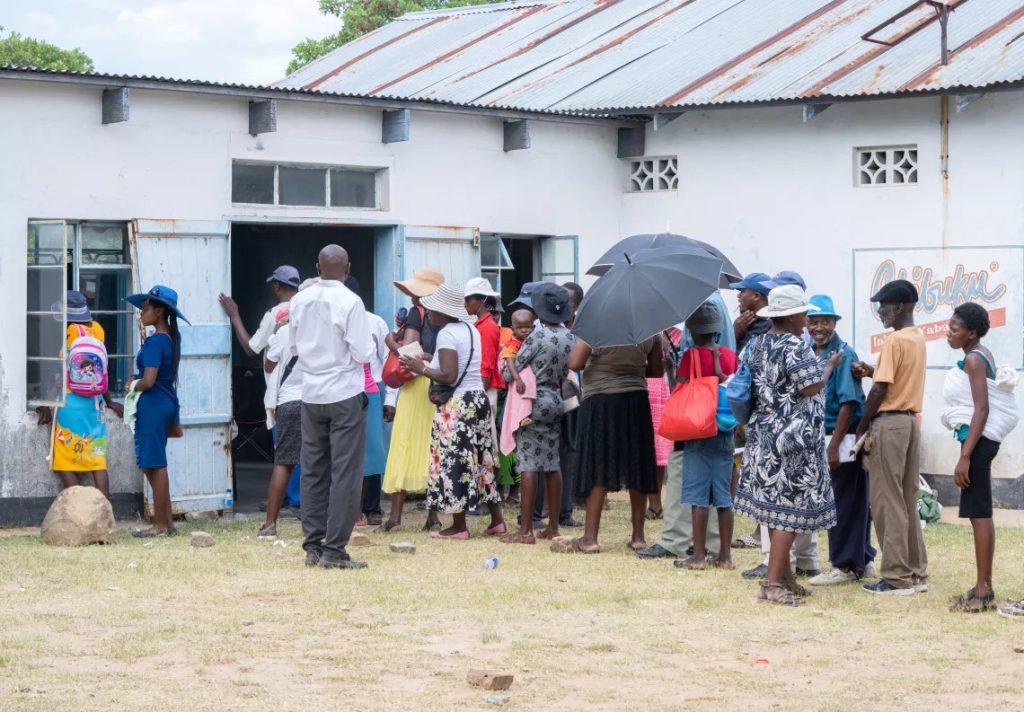
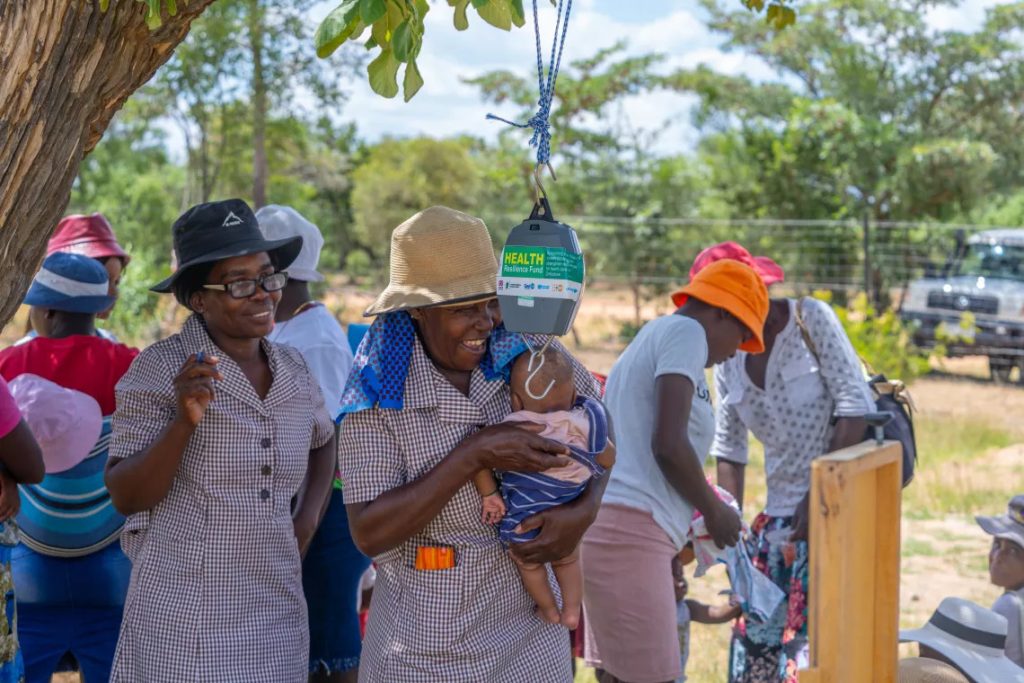
Ensuring Universal Health Coverage implies health services are brought to the people, like here through an outreach activity in Matabeleland South.

To end preventable deaths in maternal, newborn and child health, interventions of the Health Resilience Fund emphasise increased availability, equity and access to essential reproductive maternal, new-born, child and adolescent health and nutrition services, including through promoting community participation and bringing health services as close as possible to the people’s everyday environment.
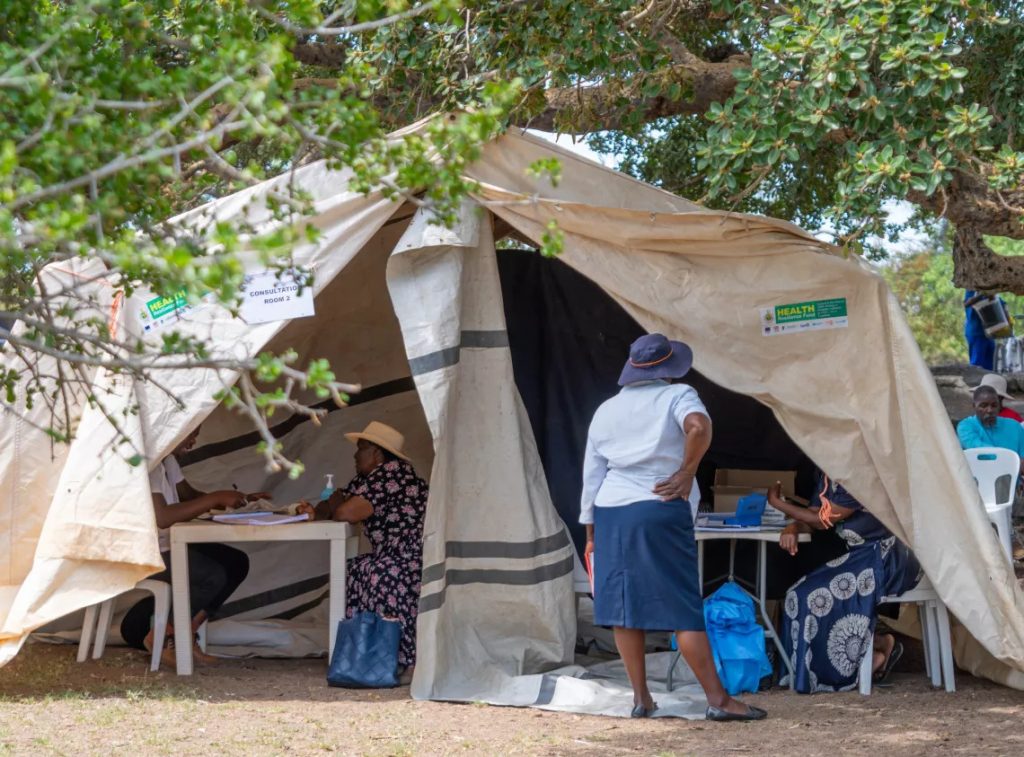
It took us more than two hours driving from Bulawayo, primarily over dirt roads, to reach one of the outreach activities set up by the District Health Office in a remote area of Gwanda District.

Various health interventions were offered to the local communities with the support of the Health Resilience Fund.

Interventions included routine vaccination, vitamin A supplementation and growth control for children, family planning, a wide range of outpatients’ department services, postnatal care (PNC), HIV testing, counselling and treatment, eye-testing, COVID 19 self-testing, visual inspection with acetic acid and camera (VIAC) to prevent cervical cancer in women aged 30-50 years old, and drugs distribution.

The outreach activities mobilised a large group of people across all age groups from the surrounding communities, most of whom do not have any other opportunity to access essential health services.
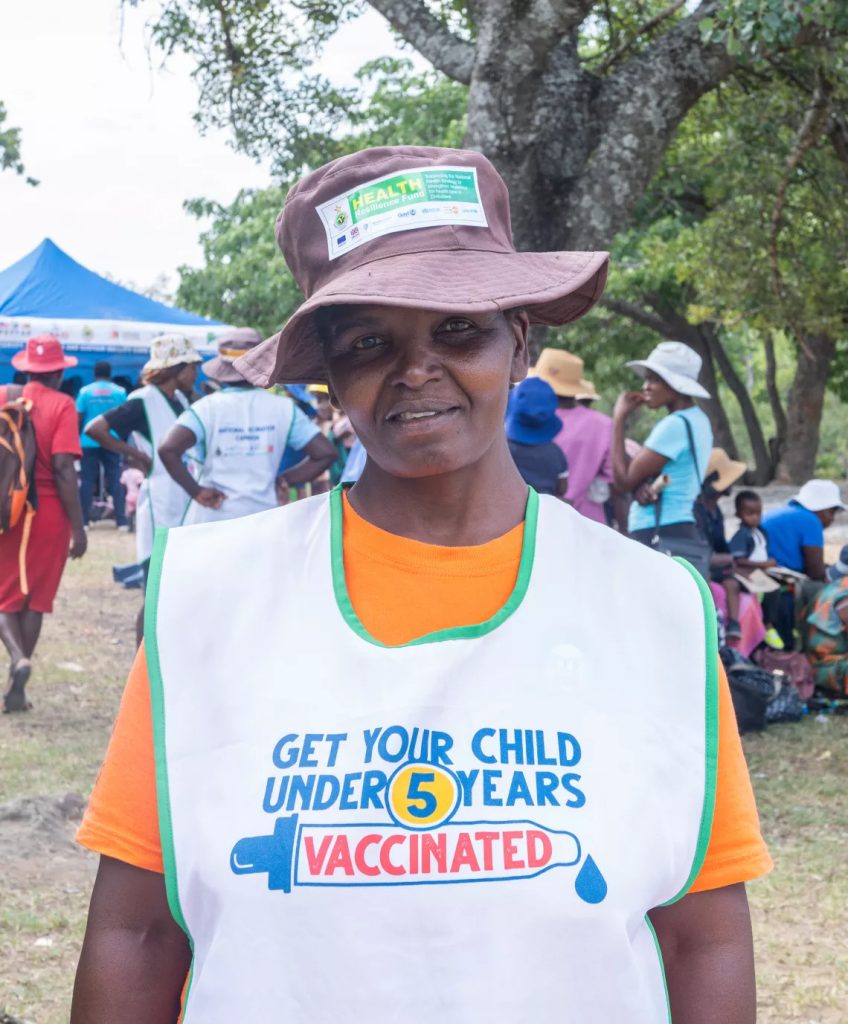
Village Health Workers are vital to linking people in need with health care services. They have the best understanding of the local communities.

They are crucial in mobilising mothers to bring their small children for preventive and curative health services to the local health facilities and outreach activities.  

Village Health Workers have been instrumental in reducing the maternal mortality ratio from a peak of 960 in 2010 to 462 per 100,000 live births in 2019 and of the infant and under-five mortality rate from 67 and 94 in 2010 to 47 and 65 per 1,000 live births in 2019.

SOURCE:: unicef.org via link https://www.unicef.org/zimbabwe/stories/matabeleland-south-happy-change-health-resilience-funds-bringing

Why cholera is on the rise in Zimbabwe

on May 8, 2024 in Cholera, Health and Wellbeing, News

Hundreds of people have died of cholera this year in Zimbabwe, where the lack of adequate water and sanitation fuels an uncontrolled outbreak.

In Zimbabwe, water supply challenges, lack of access to sanitation and hygiene, and prolonged dry seasons caused by climate change have exacerbated a cholera outbreak that has killed hundreds of people this year.

The latest outbreak began in the town of Chegutu, about 60 miles south of the capital city, Harare, where the first patient with cholera was reported in February 2023. The number of cases increased throughout 2023, spreading to 10 provinces throughout the country. Cholera cases are still rising, with 35,000 recorded cases and 600 deaths in 2024 alone.

In addition to straining Zimbabwe’s health care systems, the outbreak has exposed vulnerabilities in water, sanitation, and hygiene infrastructure in both rural and urban areas. This has heightened the risk of transmission. The limited global supply of oral cholera vaccines has further complicated response efforts. Below, two experts with Doctors Without Borders/Médecins Sans Frontières (MSF) Southern Africa explain why a new approach is needed.

By Phillip Aruna, MSF regional operations team leader,  and Mounia Amrani, MSF regional medical team leader
Zimbabwe is grappling with the second-largest cholera outbreak in its history, with cases rapidly spreading across the country. It started on February 12, 2023, and to date, more than 600 people have died from cholera and over 35,000 have been infected. To save lives and prevent more people from falling sick, Zimbabwe has to invest in its water sanitation and hygiene infrastructure.

Cholera is a potentially deadly disease that is caused by bacteria that live in water. Access to clean water, proper sanitation infrastructure, and hygiene measures reduce the likelihood and severity of cholera outbreaks. Recurring outbreaks in Zimbabwe are a problem caused by old and degraded water and sewage systems in urban areas. Certain cities, such as Harare, have endured months without running water, with raw sewage becoming a common sight in the densely populated suburbs.

Rural communities are affected because they are resorting to drinking unsafe water from the surrounding rivers. The lack of substantial, adequate rain has compounded the situation both in urban and rural areas, with the water table depleting. 

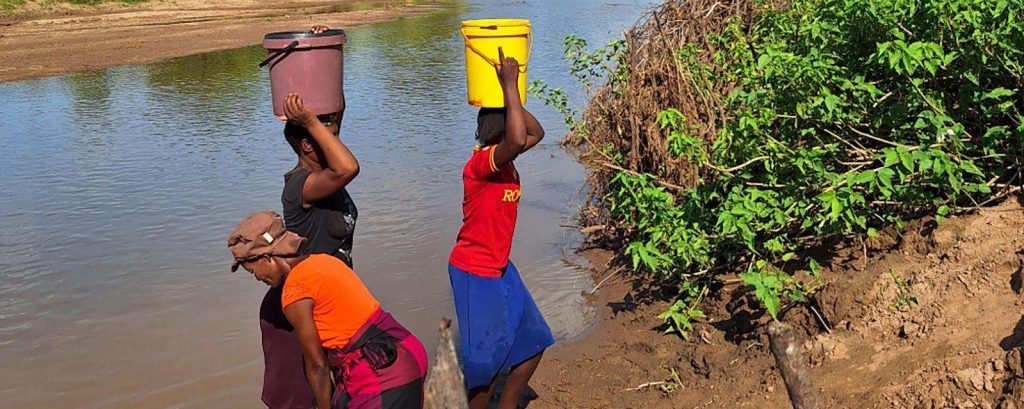
In Zimbabwe’s Buhera District, where MSF teams supported the Ministry of Health and Child Care in the fight against cholera for three months, villagers have had to drink river water, which they shared with wild and domestic animals. Boreholes have broken down, leaving them with no other options. Unsurprisingly, cholera did not spare Buhera.  

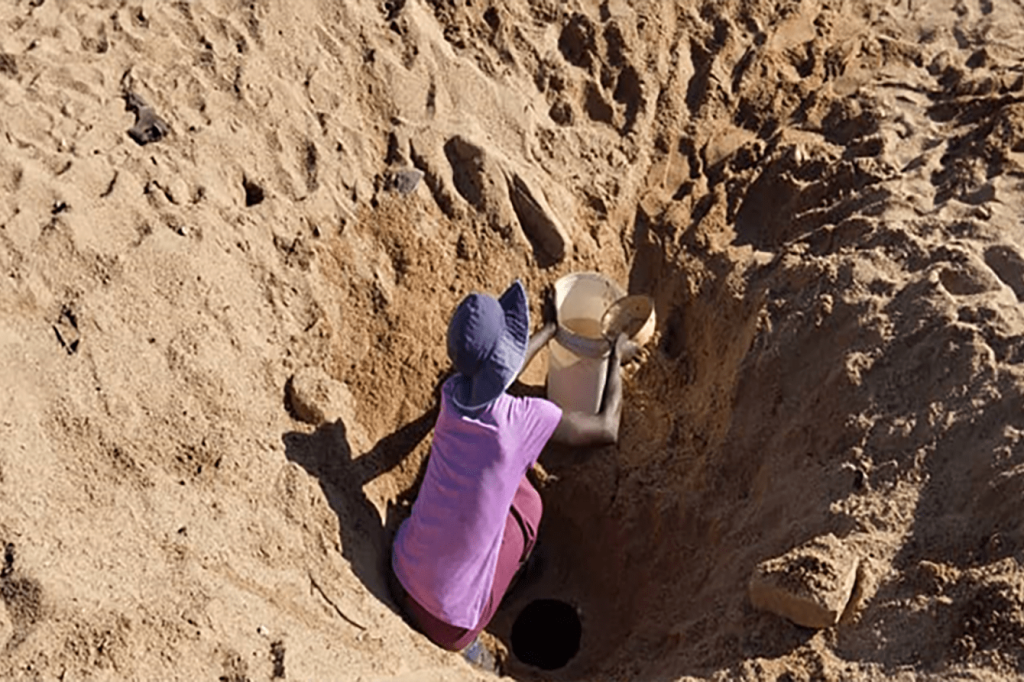
A woman fetches water from a hole dug by the river in Buhera. Zimbabwe 2024 © MSF

MSF also intervened in Mbire District, about 120 miles north of Harare. In Mbire, our teams noticed there was 52 percent coverage for safe water sources, while 48 percent was from the river, and a paltry 37 percent latrine coverage. When people from Mbire work their gardens and fields along the river, they consume water from the river, which is unsafe. Without toilets in the fields, community members resorted to using bush toilets along the river. 

“We bathe and drink water from the stream. There is no other source of water, and we are used to this. Recently, miners started complaining of diarrhea.” — Lasten, a miner Kamudonzvo in Shamva

Mining communities are also recording a high number of cholera cases. Miners access water from contaminated sources like dumped mining pits and nearby rivers, creating a breeding ground for cholera. This is the case in Shamva district, where MSF teams recently provided support. Open defecation and limited sanitation facilities further exacerbate the situation.  

Villagers have had to drink river water, which they shared with wild and domestic animals. Boreholes have broken down, leaving them with no other option. Unsurprisingly, cholera did not spare Buhera.

Another population recording a high number of cases is a conservative religious community that objects to contemporary medication. They believe in using water for bathing, which sometimes contaminates water sources. Many cases are believed to have emanated from their gatherings.  

The common element between all these communities is the lack of access to clean water and adequate sewage facilities. This problem urgently needs to be addressed to control the cholera outbreaks.  

MSF teams inspect river water in Mbire district. Zimbabwe 2024 © MSF

In theory, cholera vaccines could also help to control the disease. Unfortunately, there’s a global shortage of oral cholera vaccines today and Zimbabwe doesn’t have enough doses to cover a wider breadth of the population.

The situation is the same anywhere else — no country has enough cholera vaccines today. This shortage is not going to be solved soon so countries shouldn’t count on vaccination to prevent or curb cholera outbreaks. This stresses the urgency of strengthening water and sanitation systems. 

“We just go to the river with our containers and dig a shallow well in the sand. Once we reach the water level, we just wait for a few minutes for the unwanted particles in the water to settle down and then we fetch our water. We then destroy the shallow well by putting sand again on top of the water and we leave. This way we feel the water is safe and our elders have been doing this since time immemorial and none of them has ever complained of any stomach pains.” — Delinah, Buhera

The longer-term solutions include replacing antiquated water and sewage systems, implementing a sustainable waste disposal system, and providing pipes for safe water. The provision of safe water, basic sanitation, and hygiene practices is critical to preventing and controlling the transmission of cholera and other waterborne diseases.  

An MSF nurse carries a bucket of oral rehydration solution for cholera treatment. Zimbabwe 2023 © MSF

Responding to cholera in Zimbabwe 

In response to the 2023 cholera outbreak in Zimbabwe, the government and non-governmental organizations launched extensive efforts to combat the disease. These combined efforts appear to be working, but more effort will be needed to get to zero cases. MSF continues to support cholera response around the country.  

Caring for patients and enhancing cholera prevention measures are both critical elements to bringing the outbreaks under control. But without meaningful action to ensure people’s access to safe drinking water, cholera is likely to resurface regularly in the country.   

SOURCE:: Doctors Without Borders via link https://www.doctorswithoutborders.org/latest/why-cholera-rise-zimbabwe

Doctors thumb nose at Health Bill

on May 8, 2024 in Health and Wellbeing, News

MEDICAL doctors are pushing for an independent regulatory body that has no links to the government, similar to the lawyers’ Law Society of Zimbabwe.

This emerged during discussions on the proposed amendments to the Health Professions Act, with doctors insisting that the move will ensure high professionalism in the health sector.

The meetings were convened by the Zimbabwe Association of Doctors for Human Rights in conjunction with the Zimbabwe Lawyers for Human Rights, the Southern Africa Parliamentary Support Trust, the College of Primary Care Physicians of Zimbabwe, the Zimbabwe College of Public Health Physicians and the Zimbabwe Medical Association.

Doctors and nurses attended the meetings, which were held in Harare, Gweru and Bulawayo recently.

The doctors argue that they do not want government interference with the activities of the Health Professions Council institutions.

They also disapprove of the amendment of Section 26, which proposes the closure of health facilities for non-payment of subscriptions, which they said infringed on the right to health.

They have also expressed concern over the late issuance of practising certificates by the authorities after payment of subscriptions, insisting that the regulatory authority should issue certificates within seven days.

The doctors also argued that the amendment of Section 30 forces them to do research.

They argued that research should be optional and be pursued by those who wish to be academic and those who want to work should not be subjected to forced research.

“[There] is an attempt by government to take control of Health Professions Council institutions, particularly the finances of the councils,” they claimed.

“The fees that the different councils are charging are also exorbitant and do not match the service that members get as they sometimes get their practising certificates towards the end of the year [yet] they would have paid subscriptions beginning of each year.

“Rather than the soft language proposed, there should be a closer look into the running of the funds of each council and accountability mechanisms to the members … there is ambiguity because of the terminology that was used … the use of non-financial terms like evaluate and act upon is ambiguous and leaves room for nefarious activities happening.”

The medical professionals also shot down the proposal to rename the Nurses Council of Zimbabwe to Nurses and Midwives Council of Zimbabwe, arguing that there were other categories of nurses other than midwives, so the name should represent all the categories.

The health professionals, who proposed a rotational system for the presidency of the Health Professions Council, also pointed out: “The clause on appeals implies that the decision of the (Health Professions) council will stand until an appeal is heard …under normal circumstances, an appeal should suspend the decisions made until the matter is heard.

“The clause in its current form violates principles of natural justice as well as rights of citizens as enshrined in the Constitution. Since legislation can sometimes be used for social engineering, members noted that the clause may be used politically and deny justice to health professionals.”

The health professional complained of “multiple registrations required by government, which costs money and time”.

There is need to harmonise registrations as part of the ease of doing business,” they said.

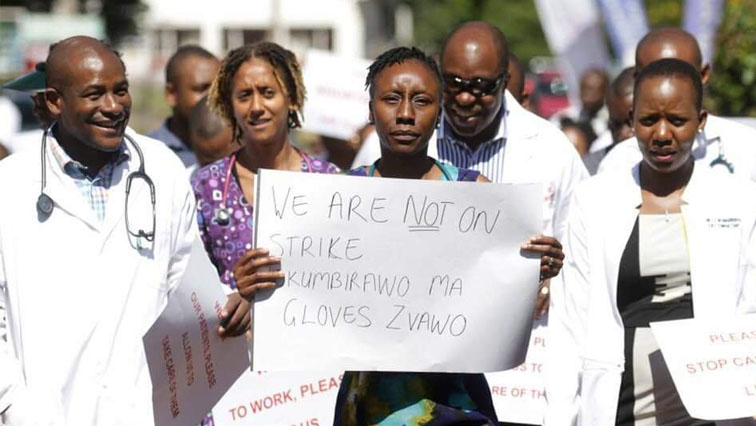
Another bone of contention the doctors expressed concern about is government’s ban on job actions lasting more than three days at a time when the health sector is saddled with a myriad of challenges, among them poor remuneration and working conditions.

The doctors described the Amendment Bill as “neither democratic nor consultative”, with the nurses weighing in saying that public health sector workers “are now disadvantaged in several ways because they have no right to strike and they cannot engage in collective bargaining”.

Also under the new law, worker representatives who are charged with inciting nurses and doctors to unlawfully down tools could be jailed for three years which authorities argue is necessary to “instil discipline” in the health sector.

SOURCE:: NewsDay via link https://www.newsday.co.zw/theindependent/local-news/article/200026620/doctors-thumb-nose-at-health-bill

Zimbabwe’s Doctors Demand Safe Working Conditions In Workers’ Day Message

on May 8, 2024 in Health and Wellbeing, News

Zimbabwean medical professionals across the country have lamented the dire working conditions within the healthcare sector.

In their statement to mark Workers’ Day on Wednesday, 01 May, the Zimbabwe Association of Doctors for Human Rights (ZADHR) said that doctors are exposed to harm in their line of duty. Reads the statement:

The Zimbabwe Association of Doctors for Human Rights (ZADHR) joins the rest of the world in marking International Workers Day, 2024. This year’s commemorations are focused “on ensuring safety and health at work in a changing climate”.
In commemorating this day, ZADHR laments the state of our public health delivery system and the exposure of health professionals to harm in their line of duty.
For years, health workers in Zimbabwe have clamoured for a health service and health workplace that promotes and protects their rights through strengthening infection control protocols and associated provisions for infection control such as personal protective equipment.
Effective infection control protocols will not only make the workplace a safe place but will contribute to boosting the moral and mental health of health professionals, which have been dented by poor remuneration, dilapidated infrastructure, equipment and shortage of drugs and sundries.
In marking this day, ZADHR continues to urge the government to address the health and safety concerns of health professionals to prioritise the health and well-being of health professionals.
It is our firm belief that a safe working place is good for the physical and mental well-being of health professionals.

Thousands of Zimbabwean healthcare workers have left the country for countries such as the United Kingdom and Australia due to poor remuneration and working conditions resulting in shortages, particularly in public institutions.

Official statistics indicate that over 4,000 nurses and doctors have left Zimbabwe since February 2021.

SOURCE:: Pindula via link https://www.pindula.co.zw/2024/05/02/zimbabwes-doctors-demand-safe-working-conditions-in-workers-day-message/

Zimbabwe’s doctors push for safe working conditions in Workers’ Day message

on May 8, 2024 in Health and Wellbeing, News

AS Zimbabwe celebrated Workers’ Day on Wednesday, medical professionals across the country decried the dire working conditions within the healthcare sector.

The Zimbabwe Association of Doctors for Human Rights (ZADHR) highlighted that medical practitioners are disproportionately affected by the poor state of hospitals nationwide.

“The Zimbabwe Association of Doctors for Human Rights (ZADHR) joins the rest of the world in marking International Workers Day, 2024. This year’s commemorations are focused “on ensuring safety and health at work in a changing climate”.

“In commemorating this day, ZADHR laments the state of our public health delivery system and the exposure of health professionals to harm in their line of duty,” read the statement.

Doctors have repeatedly demanded improvements to their working environments, citing the dangers they face due to inadequate equipment and bad working conditions.

Public hospitals in the country which the majority of citizens rely on are short of medical sundries hindering the effective delivery of services.

ZADHR urged the government to implement concrete measures that will transform Zimbabwe’s healthcare system for the better.

“For years, health workers in Zimbabwe have clamoured for a health service and health workplace that promotes and protects their rights through strengthening infection control protocols and associated provisions for infection control such as personal protective equipment.

“Effective infection control protocols will not only make the workplace a safe place but will contribute to boosting the moral and mental health of health professionals, which have been dented by poor remuneration, dilapidated infrastructure, equipment and shortage of drugs and sundries.

“In marking this day, ZADHR continues to urge the government to address the health and safety concerns of health professionals to prioritise the health and wellbeing of health professionals,” read the statement further.

SOURCE:: NewZimbabwe.com via link https://www.newzimbabwe.com/zimbabwes-doctors-push-for-safe-working-conditions-in-workers-day-message/