Africa put on high alert for Mpox; outbreak declared public health emergency

on August 14, 2024 in Health and Wellbeing, News

A LEADING disease monitoring agency has declared a public health emergency across Africa, including Zimbabwe, following the outbreak of Mpox, a highly infectious disease previously known as monkeypox.

Scientists from the Africa Centres for Disease Control and Prevention (Africa CDC) say the new strain of Mpox is spreading at an alarming speed.

According to the latest quoted statistics, since the beginning of 2024, more than 13 700 cases and 450 deaths have been recorded in the Democratic Republic of Congo (DRC), a country which many Zimbabweans, mostly truckers, visit on business.

According to the latest epidemiological trends, including an update on the geographic expansion of Mpox in the World Health Organisation (WHO) African Region (July–August 2024), the disease is readily spreading across the continent.

Speaking during a live Press conference Tuesday, Africa CDC director-general, Jean Kaseya officially declared the ongoing Mpox outbreak a public health emergency and urged stakeholders to collaborate and safeguard the security of millions of people.

“This declaration highlights the urgency and gravity of the situation, demanding immediate and coordinated action across Africa. We are mobilising all available resources, working closely with Member States, strengthening partnerships, and intensifying efforts to contain and mitigate the impact of Mpox,” Kaseya said.

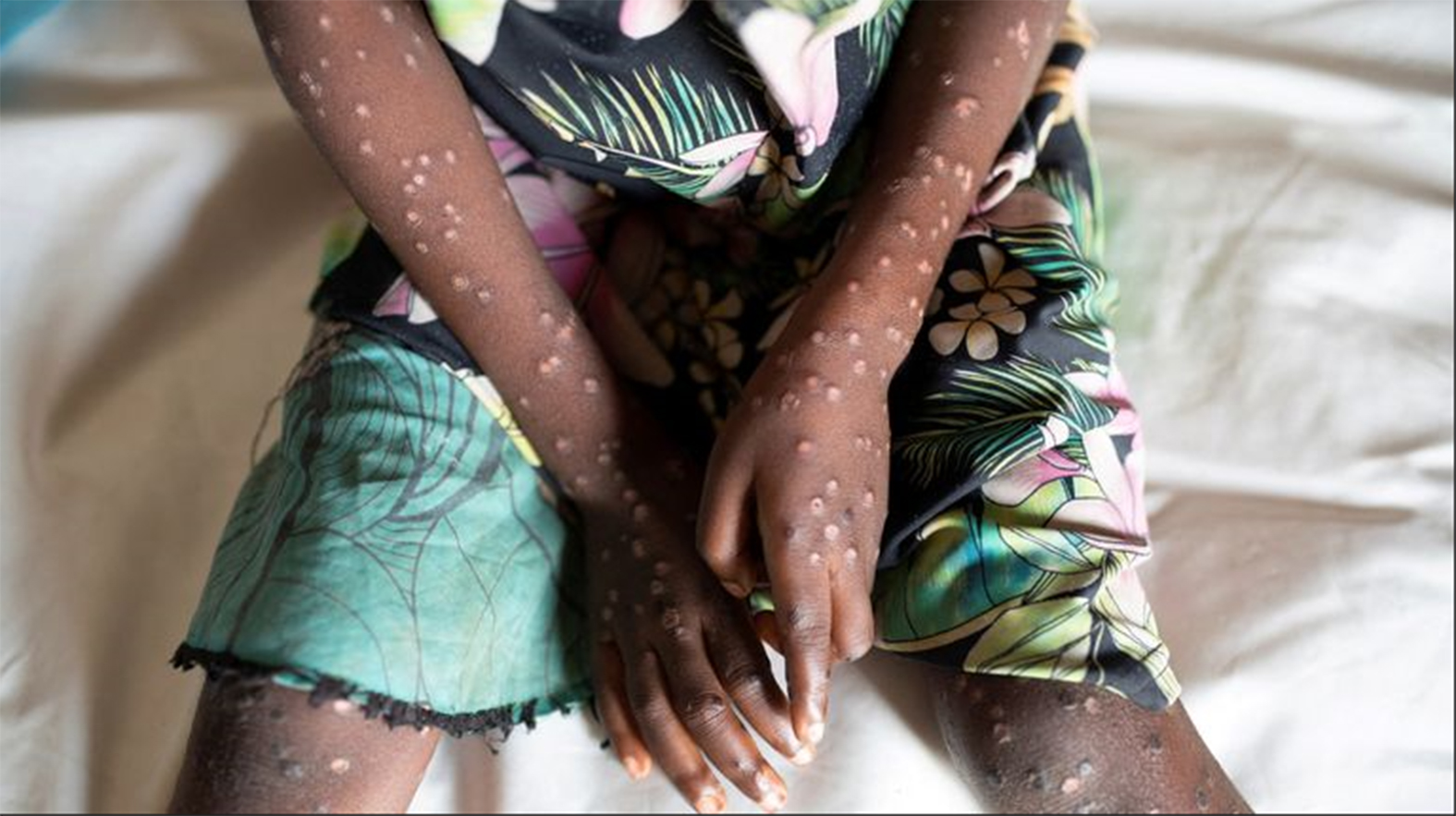
The virus, which causes lesions across the whole body, has reportedly spread to other African countries, including Burundi, the Central African Republic (CAR) Kenya and Rwanda.

The declaration of a public health emergency helps governments coordinate their response and potentially increase the flow of medical supplies and aid into affected areas.

Kaseya warned that the disease could spiral out of control if immediate steps were not taken to contain it.

“This declaration is not merely a formality. It is a clarion call to action. It is a recognition that we can no longer afford to be reactive. We must be proactive and aggressive in our efforts to contain and eliminate this threat,” he said.

Kaseya said there were plans to secure about 10 million doses to limit the spread of the outbreak in Africa.

According to research, there are three vaccines available to prevent Mpox but only persons at risk, or who have been in close contact with an infected person, are usually vulnerable.

Mpox spreads from animals to humans and between people through close contact with someone who is infected, including through sex, skin-to-skin contact and talking or breathing close to another person.

It can cause symptoms such as fever, muscle aches and lesions across the body. If left untreated, Mpox can be deadly.

SOURCE:: NewZimbabwe via link https://www.newzimbabwe.com/africa-put-on-high-alert-for-mpox-outbreak-declared-public-health-emergency/
Zim protects over 200,000 people against cholera

on August 14, 2024 in Cholera, Health and Wellbeing, News

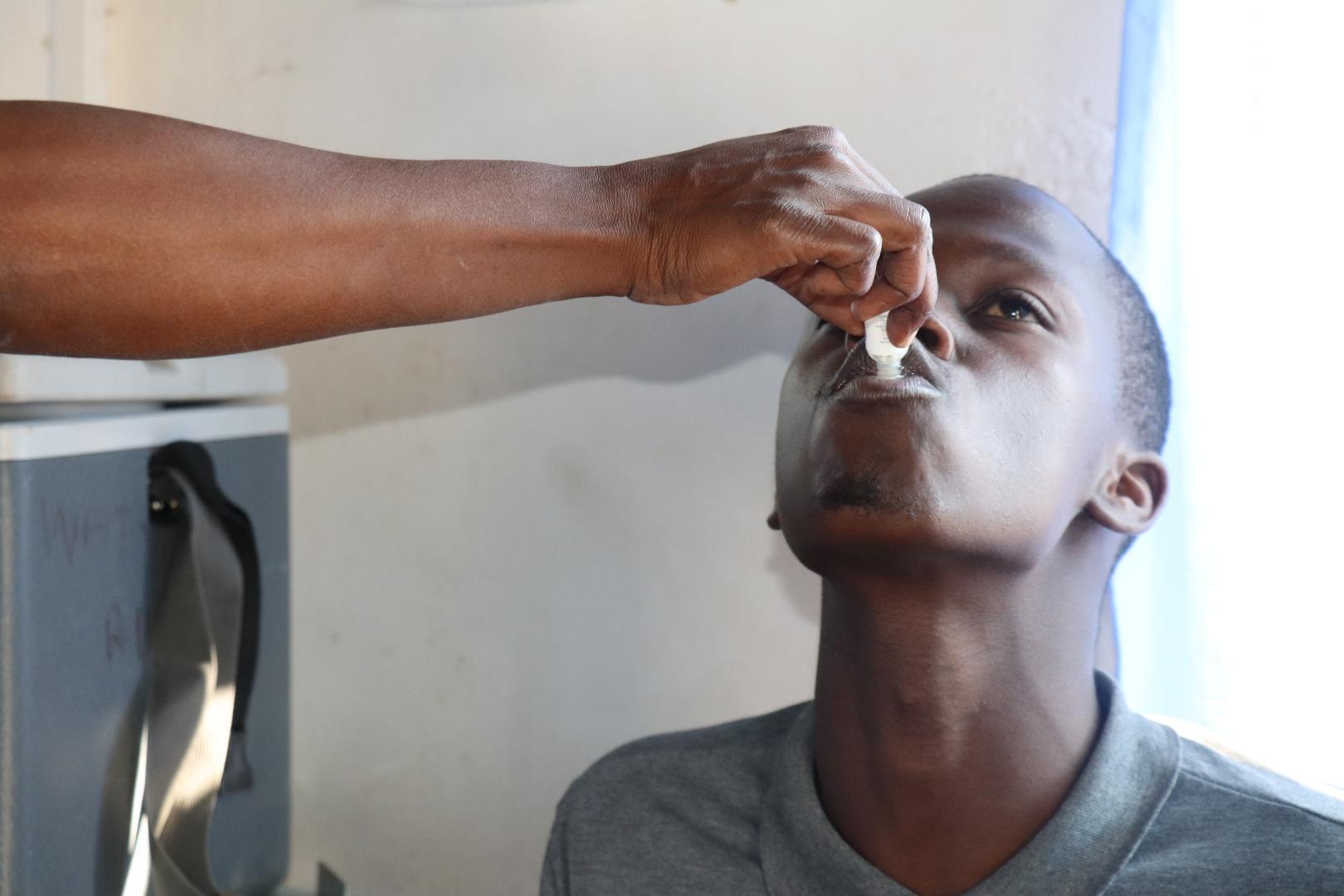
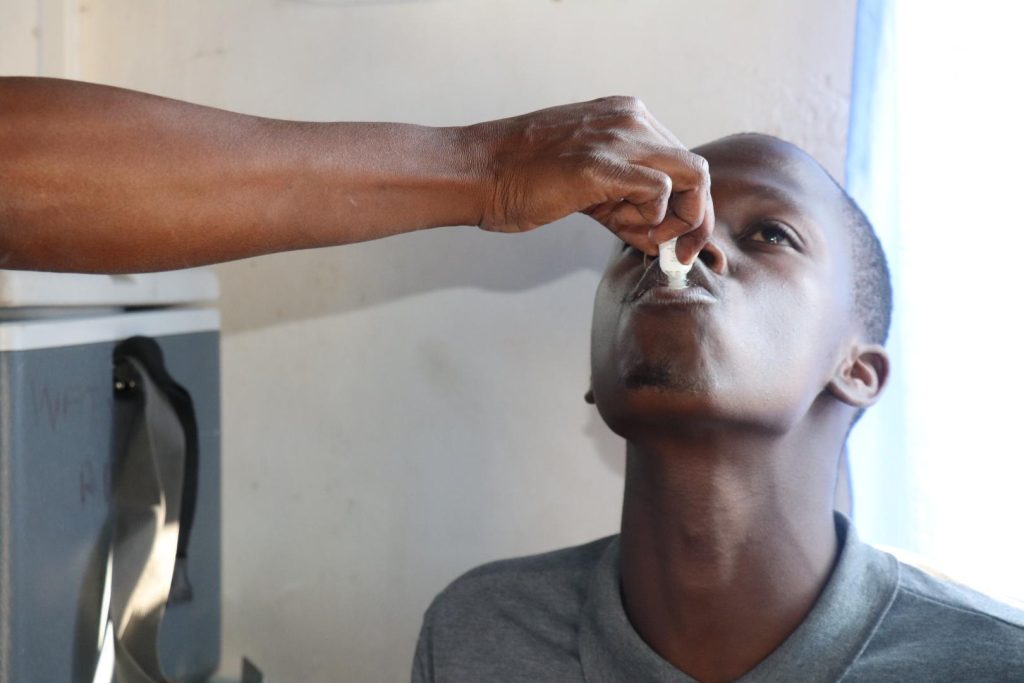
HARARE – The Health and Child Care ministry , with the support of the World Health Organization, and other partners has immunized over 200,000 people against cholera in the most vulnerable communities.

This campaign has reached 22 wards in eight districts: Chegutu, Chiredzi, Chitungwiza, Masvingo, Mhondoro-Ngezi, Mutare Rural, Mt Darwin, and Sanyati.

These targeted areas, have high artisanal mining activities where access to safe water and sanitation facilities is limited.

In these communities, clean water is scarce and health risks are high.

Hence, the vaccination campaign has brought great relief.

This initiative is beyond the numbers; it’s about saving lives and securing a healthier future.

“We remain vigilant in our efforts to strengthen our health systems and build resilience against future outbreaks,” said Health and Child Care cholera incident manager Dr Isaac Phiri.

Pelagia Chikoore, a 51-year-old resident of Venice Mine, Mhondoro Ngezi, emphasised the importance of the vaccine.

“l got vaccinated to prevent myself from getting cholera,” she said.

“Our area has a lot of mining activities, and sometimes water supply is a challenge. Although we now have a solar-powered borehole, I believe the vaccine is an extra layer of protection.”

While vaccination is not a silver bullet, it provides an additional layer of protection, especially in areas with limited access to clean water and sanitation.

Echoing Chikoore’s sentiments, 21-year-old Alice Mhembere from Mubaira shared her experience. “l know the vaccine protects me from cholera,” she said.

“We saw people getting sick because of cholera so I never hesitated when I got the opportunity.”

Cholera is a highly contagious disease that spreads through contaminated water and food.

By administering vaccines, the campaign helps to build immunity in populations at high risk, reducing the likelihood of disease spread and protecting communities from potential outbreaks for a period of 6-12 months.

Hence, it needs to be complemented by improvements in water supply and sanitation infrastructure to ensure communities are protected from another episode of cholera outbreak that claims innocent lives.

WHO played a crucial role in combating a cholera outbreak in Zimbabwe.

With unwavering commitment, WHO supported two rounds of targeted vaccination campaigns, providing the technical guidance and logistical support needed for success.

The vaccination campaigns were not only effective but also efficient, achieving over 90% coverage, and reaching the people who needed it most and making a significant impact on the community’s health.

The vaccination campaign was made possible through funding from the International Co-ordinating Group (ICG), GAVI, the Vaccine Alliance and WHO.

This collaborative effort brought hope and relief to many, showcasing the power of unity and expertise in the face of a health crisis.

“We are proud to have supported Zimbabwe in this crucial vaccination campaign. By reaching out to most vulnerable communities, we are not only preventing disease transmission but saving many lives,” said Dr Desta Tiruneh, WHO representative to Zimbabwe.

SOURCE:: WHO via link https://www.afro.who.int/countries/zimbabwe/news/zimbabwe-protects-over-200000-people-against-cholera