
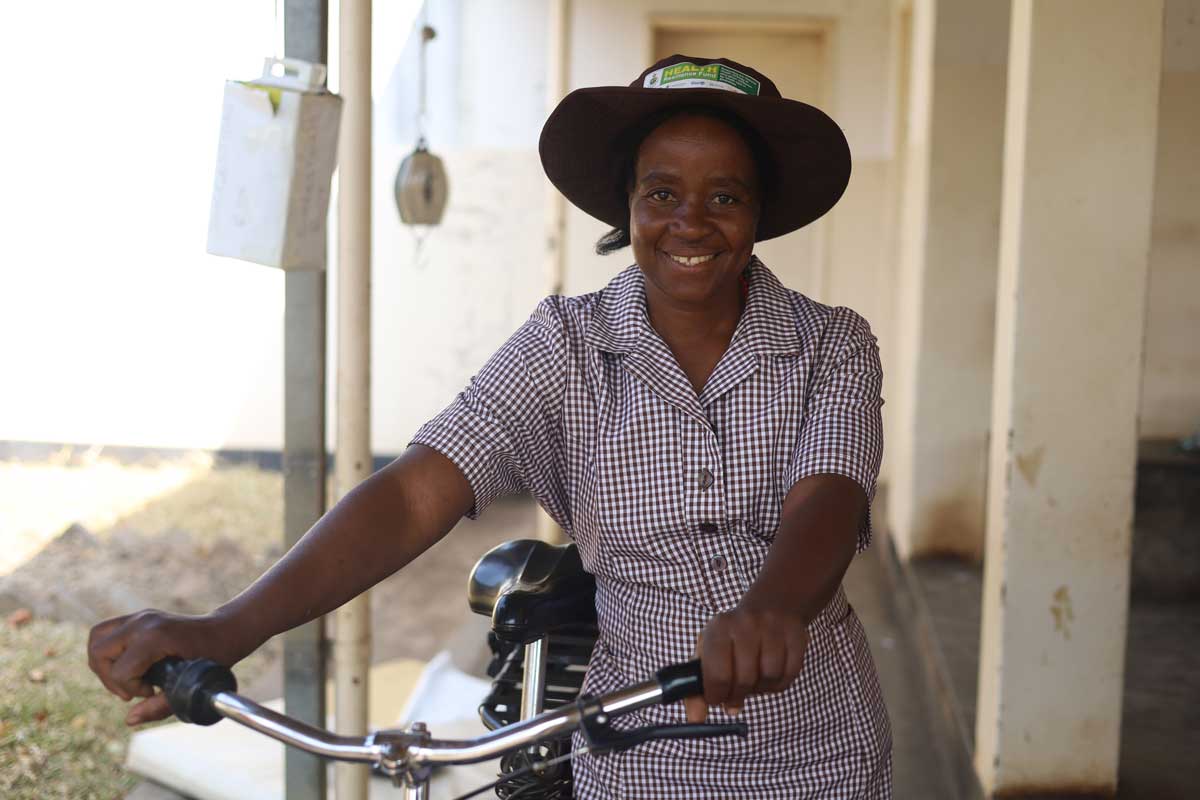
Pedalling vaccines in rural Zim
on September 14, 2024 in Health and Wellbeing, News, Women and Maternal Health
Community health worker Maria Matuka didn’t grow up riding a bicycle – but now she considers it indispensable to her life-saving job.
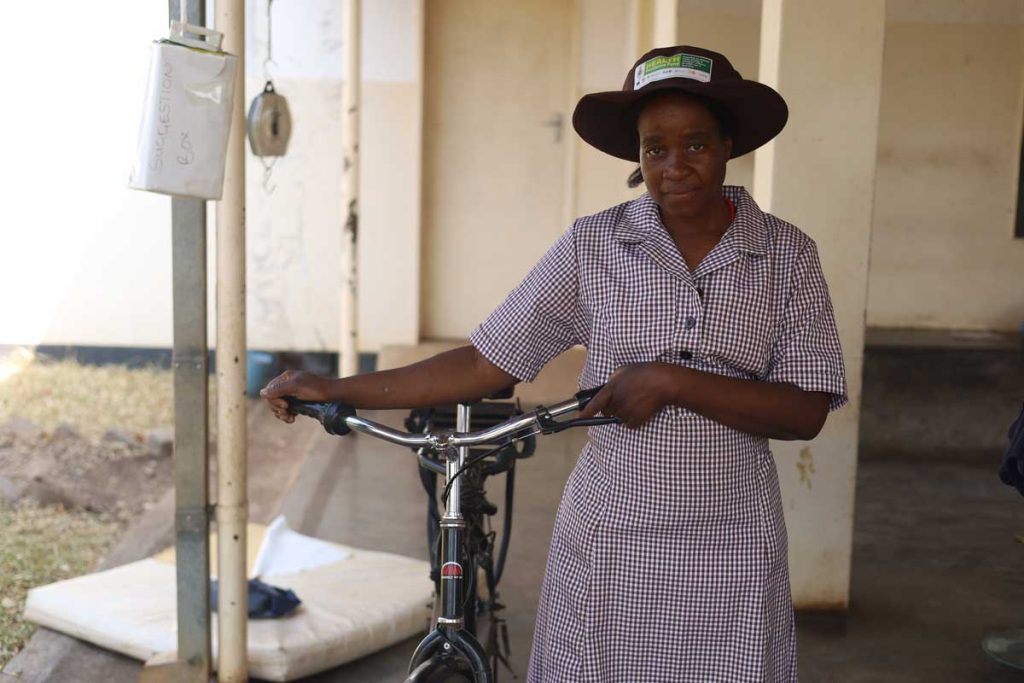
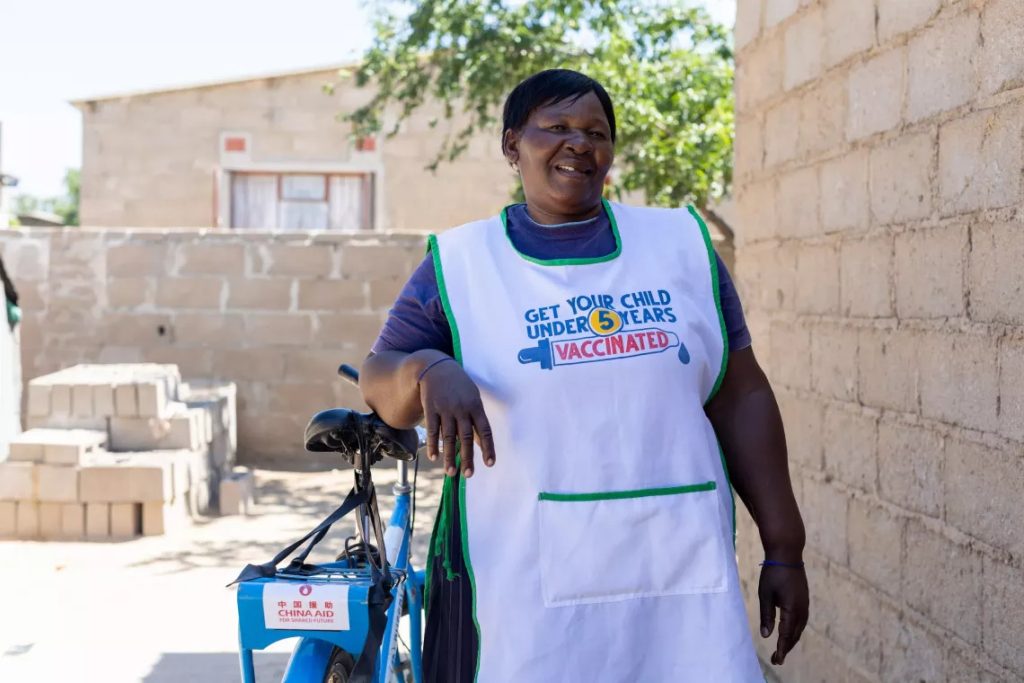
Maria Matuka’s job as a community health workers is made easier by a bicycle built for the rugged roads in Chiredzi, Zimbabwe
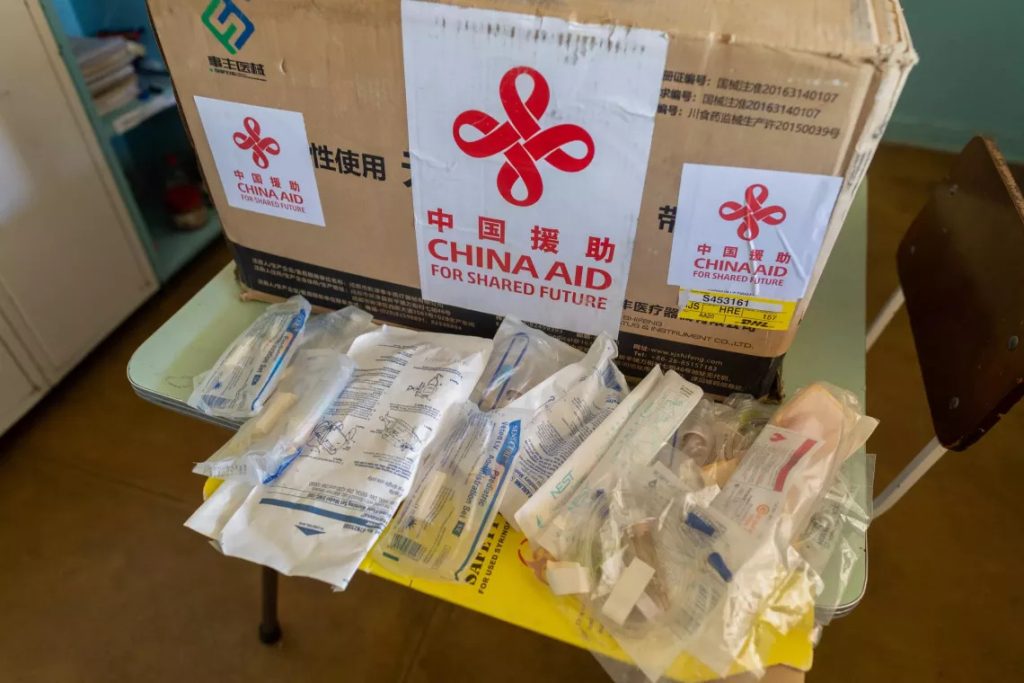
MARIA Matuka arrives at Chizvirizviri Clinic, in Chiredzi, south-east Zimbabwe, to collect the medical supplies she will distribute in the village.
Looking physically fit, the 46-year-old mother of four has cycled more than five kilometres from her home to get to this health facility – her nearest clinic, and the only one for a long way in this sparsely populated area.
The roads are rugged and the terrain is rough, making it difficult to access even in an off-road car.
While cycling is a popular leisure-time physical activity in some parts of the world, in this remote part of Zimbabwe, it is not only a crucial form of transportation, but a lifesaver.
“If you reduce the distance to a few kilometres, the mothers will bring their children [for vaccination].”
– Simbarashe James Tafirenyika, president of the Zimbabwe Municipalities Nurses and Allied Workers Union
Sitting tall on a black saddle, Matuka visits households to talk to mothers about getting their babies vaccinated against risky infectious diseases like tetanus, measles and poliomyelitis.
“It takes some minutes to move from one household to another, encouraging mothers to bring their babies to a centre in the village for vaccination,” Matuka tells VaccinesWork.
“It was difficult when I became a village health worker without a bicycle. It was draining. I felt cramp pains and numbness after walking long distances.”
Matuka is one of the 45,923 community health workers in Zimbabwe provided with bicycles at no cost since 2009 by World Bicycle Relief (WBR), a charity based in the United States.

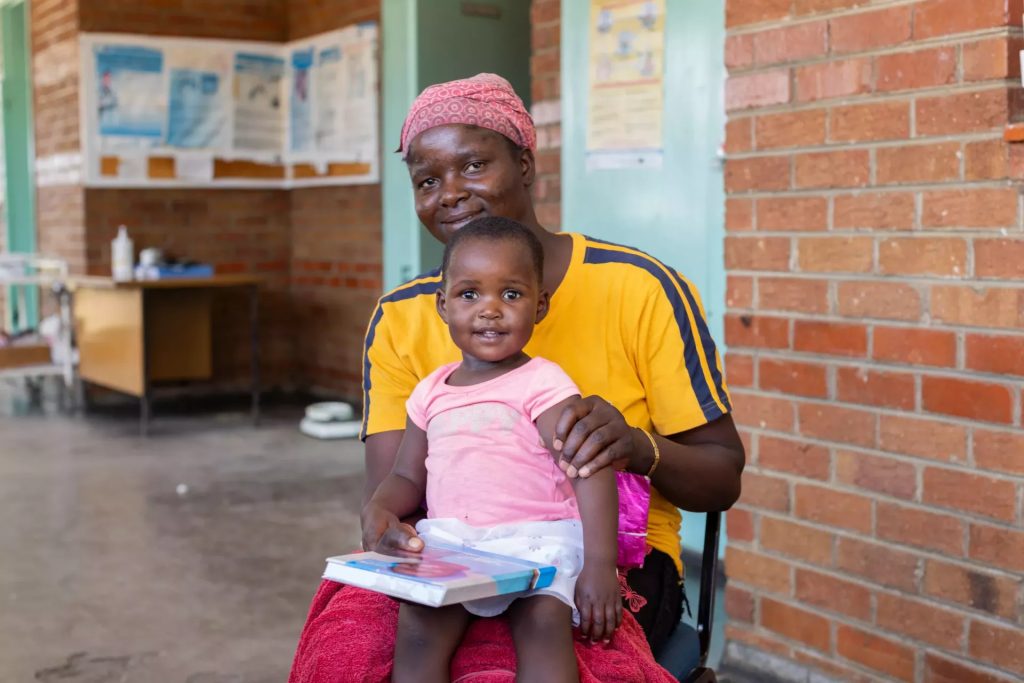
Maria Matuka, a vaillage health worker, reports every month at Chizvirizviri clinic
Getting closer
Zimbabwe’s Expanded Programme on Immunisation (ZEPI) has been making routine vaccines available for free to children since 1982, initially to beat back illnesses including measles, polio, tetanus, tuberculosis and diphtheria.
Over the years, the programme has grown to protect against other diseases, such as Hepatitis B.
Matuka became a community health worker in January 2021 and got her bicycle in December of the same year. It was her first time owning and riding a bike, and it took her a few days to learn, with lessons from her neighbour’s children.
But challenges, including logistical hurdles, mean there’s still further to go on coverage.
Matuka says some rural communities live long distances away from a health facility, a factor which has a negative effect on health-seeking behaviours.
“This is why we have a baby clinic every month,” she says, referring to an outreach campaign in which mobile clinics manned by nurses bring vaccines closer to children not only in rural areas, but urban areas too.
This initiative, and the bicycles, help health workers like Matuka take health services to the people.
“If you reduce the distance to a few kilometres, the mothers will bring their children [for vaccination],” says Simbarashe James Tafirenyika, president of the Zimbabwe Municipalities Nurses and Allied Workers Union, a labour union that represents nurses employed by local authorities.
A bridge between the health system and the community
The Health Ministry also rolls out vaccination campaigns for children against diseases like measles and polio, when the need arises.
For instance, in 2022 and 2023, Zimbabwe undertook nation-wide supplementary immunisation activities with bivalent oral polio vaccine following the detection of wild poliovirus 1 in neighbouring Mozambique and Malawi in 2022.
Village health workers like Matuka play a critical role in interventions like these through mobilisation of mothers in rural areas, who can often fall beyond the reach of professional health workers.
“Currently, the village health workers move around communities conscientising mothers and disseminating information to them,” Tafirenyika says.
“Some people in the rural areas have no access to radios and television, which often broadcast information on vaccines. It is village health workers who disseminate information about national immunisation programmes.”
Matuka became a community health worker in January 2021 and got her bicycle in December of the same year.
It was her first time owning and riding a bike, and it took her a few days to learn, with lessons from her neighbour’s children.
“I grew up in Zaka and our culture and tradition did not allow women to ride bicycles,” says Mutuka, recalling her memories from her rural home in Masvingo province.
She not only educates mothers about vaccination, but also passes on other knowledge and skills.
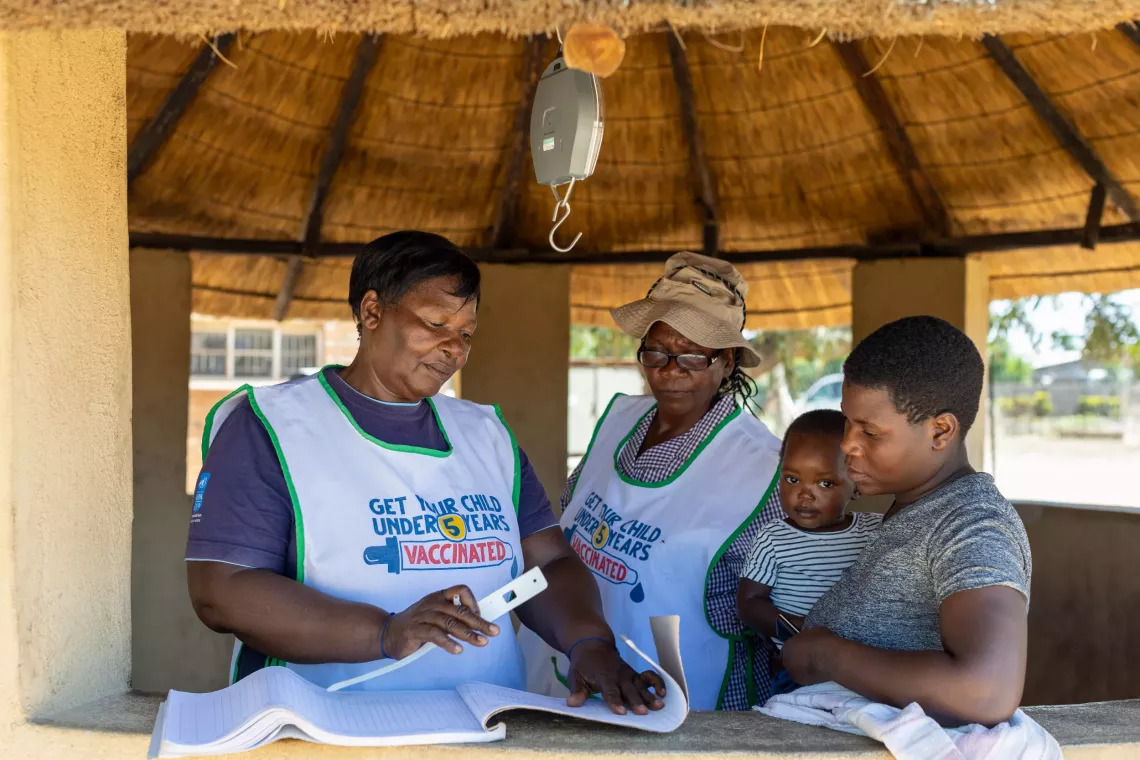
“I mobilise mothers to come for monthly baby weighing. I also educate them about breastfeeding as well as monitoring the health of their babies using the mid-upper arm circumference (MUAC) tapes,” she says, referring to a measurement that is used to quickly determine if a child is acutely malnourished.
“I also test people for malaria and recommend them to visit the clinic for further diagnosis. I also collect from the clinic and distribute medication to people living with human immunodeficiency virus (HIV) and tuberculosis (TB).”
Matuka, who reports every month at Chizvirizviri Clinic, distributes pamphlets on different health issues like malaria and cholera prevention to people in the villages.
Tafirenyika says she plays a crucial role in educating people in remote areas.
“Some people do not know the importance of these vaccines which are given to children. The pamphlets can help some people who can read to know the importance of those vaccines and how they help in curbing and preventing highly infectious diseases like polio,” he says.
Sean Granville-Ross, Executive Director of Programs at World Bicycle Relief, says village health workers are essential in delivering health care services to rural communities, where access to health care facilities can be limited due to distance.
“These health workers provide vital services such as vaccine mobilisation, maternal and child health care, nutritional education and basic medical care. However, without reliable transportation, their ability to reach patients is severely restricted,” Granville-Ross tells VaccinesWork.
“A Buffalo Bicycle allows them to cover much more ground – reaching up to 88% more patients, quadrupling the frequency of patient visits and allowing health workers to spend more time with patients. This significantly enhances their ability to ensure that mothers in rural areas are informed and motivated to vaccinate their children, helping to improve health outcomes across the community.”
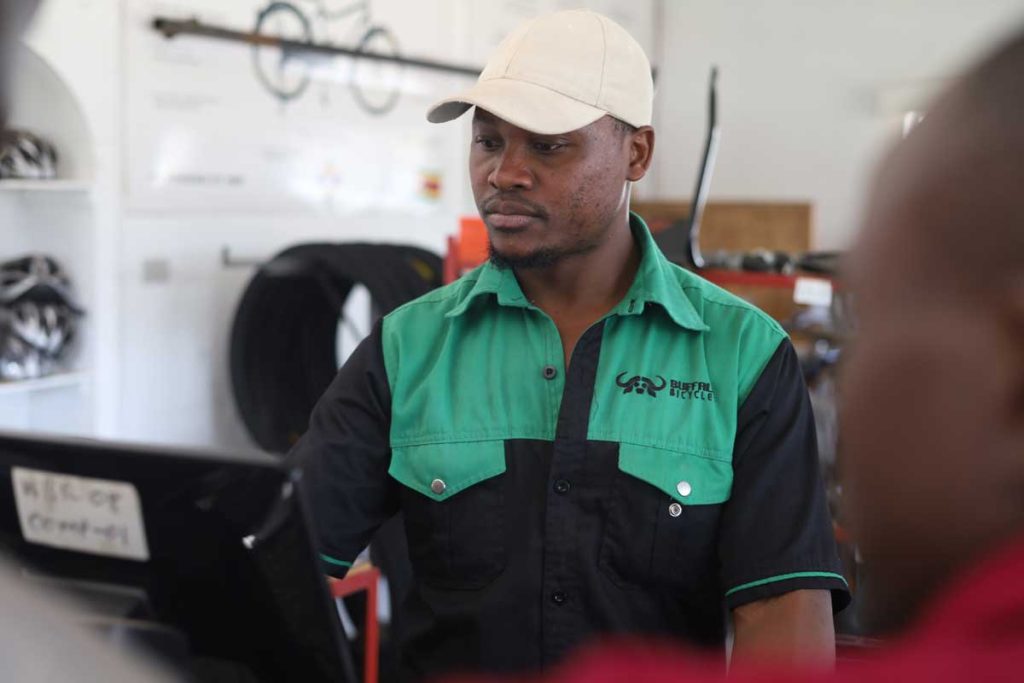
One of the shops where village health workers get parts to service their bicycles in Chiredzi town
Calls to increase remuneration for village health workers
Village health workers are registered with the local clinic and the Ministry of Health and Child Care.
Some are given allowances from various development partners they work with, but experts and labour unions say more needs to be done to remunerate – and incentivise – these essential health workers across the country.
Itai Rusike, the executive director for Community Working Group on Health (CWGH), says village health workers should be supported with allowances from the national budget to enhance their work and motivate them, instead of the current situation where they rely on external partners for their tools of the trade.
“At the present there is no standardisation of payment of allowances. Some are paid their allowances on time, with others not being paid on time,” Rusike tells VaccinesWork.
Matuka’s bicycle is regularly serviced at a low cost at a workshop near Chizvirizviri clinic by a mechanic trained by the American charity.
Plans are underway to expand the programme to additional districts to scale efforts to improve health care access and support national vaccination initiatives in rural communities throughout Zimbabwe, says Granville-Ross.
Matuka says she wishes the bicycle could be modified to have a luggage carrier to ferry medical supplies and educational materials.
“Currently, I carry a heavy bag with the supplies on my back, which is painful,” she says.
SOURCE:: Gavi Vaccines Work via link https://www.gavi.org/vaccineswork/pedalling-vaccines-rural-zimbabwe




Recent Comments