Low salaries and poor working conditions are driving Zimbabwean healthcare workers to emigrate
ZIMBABWE continues to lose its skilled manpower to other countries as 35 938 skilled workers, mostly in the Health sector migrated to the United Kingdom in just a year.
Although reasons for emigrating to other countries vary, Home Affairs minister Kazembe Kazembe this week said between June 2023 and June this year, close to 36,000 Zimbabweans had been granted working visas by the UK mostly as health care workers.
Locally, healthcare workers earn an average of US$255 per month while the least experienced stands to take home about US$2,500 in the UK.
Thousands more have left en-masse to Ireland, Australia, and New Zealand where the working and living conditions are better.
Kazembe said that the country had not been spared from the devastating effects of brain drain as nurses and doctors have emigrated from Zimbabwe en-masse.
“Statistics from the United Kingdom revealed that between June 2023 and June 2024, 35 938 Zimbabweans were granted work visas to the UK, mostly as health care workers.
“It may be a challenge to tame this emigration pattern as reasons for such vary,” Kazembe told International Organisation for Migration (IOM) director general Amy Pope, the first IOM DG to visit Zimbabwe in several decades this week.
Zimbabwe’s health sector is mismanaged and this has been worsened by the country’s economic collapse.
Zimbabwe is on WHO’s red list of countries with dire health service shortages.
“However, it is equally possible to replenish lost and or required skills through sound policies,” added the minister.
Finance, Economic Development and Investment Promotion permanent secretary George Guvamatanga (left) sits next to his boss, FinMin Mthuli Ncube
GOVERNMENT says it has collected US$30,8 million from the special surtax on sugar content in beverages since the gazetting of Statutory Instrument 16 of 2024, the Customs and Excise (Tariff) (Amendment) Notice, 2024 (No 5) on February 9, 2024, to date.
Responding to the Zimbabwe Association of Doctors for Human Rights through their lawyers Kantor & Immerman in a letter dated December 13, 2024, Finance, Economic Development and Investment Promotion permanent secretary George Guvamatanga said: “I refer to the above captioned and specifically your letter of November 25, 2024 in that regard.
“You requested for information regarding the amount of the that has been collected from the date of gazetting of the Customs and Excise (Tariff) (Amendment) Notice, 2024 published in Statutory Instrument 16 of 2024 and an account of what cancer drugs and equipment have been procured to date and to which hospitals these have been distributed. Please note my response hereof.
“Thirty million eight hundred thousand United States dollars (US$30,8 million) of special surtax on sugar content in beverages has been collected as of November 2024.”
Guvamatanga’s response came after the human rights doctors last month wrote to government demanding information on how much money had been collected from the special surtax on sugar content in beverages and if it has been used for the intended purposes.
The doctors said they were requesting the information in terms of section 7 of the Freedom of Information Act [Chapter 10:33].
On what the money had been used for, Guvamatanga responded: “The procurement of drugs and medical equipment is under the purview of the Health and Child Care ministry. Hence, the Finance, Economic Development and Investment Promotion ministry is not the competent authority to give you information on your second request.”
In the 2024 national budget, Finance, Economic Development and Investment Promotion minister Mthuli Ncube last November proposed tax on high sugar content beverages, saying the revenue generated would go towards the creation of a cancer fund.
When Agnes Kativhu could not get treatment for breast cancer from Harare’s main public hospital, she checked in to one of the many self-styled herbal clinics opening up across Zimbabwe’s capital.
“I was a moving grave but am now well,” Kativhu claimed in an interview at the centre, where she spent around a month.
“I never want to go back to the hospital because it broke my heart that they failed to give me a single tablet,” the 67-year-old told AFP.
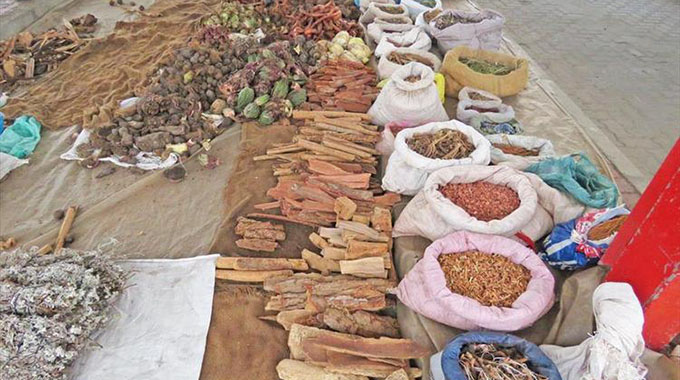
Unaccredited, unregulated and with unproven results, herbalists are in growing demand among Zimbabweans who feel let down by a public health system in ruins.
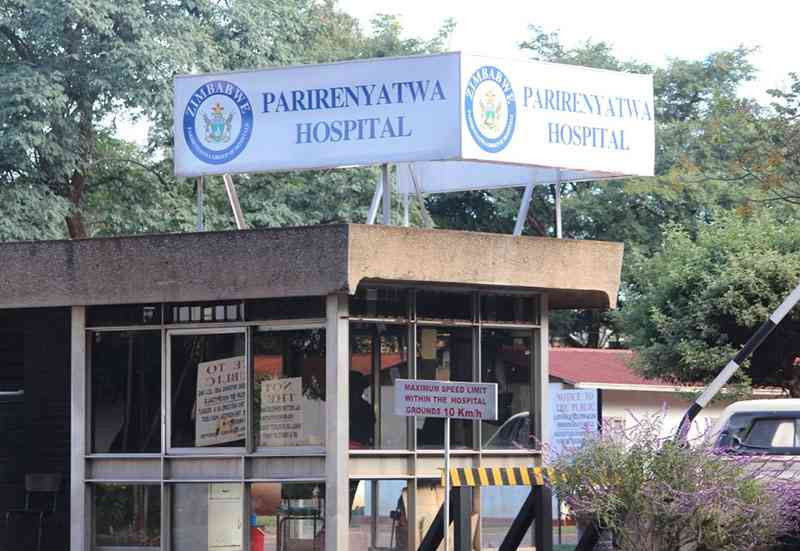
The country’s largest public hospital, Parirenyatwa, has not had a functioning mammogram machine for 15 years.
It does, however, have the only operating radiotherapy cancer treatment machine available to the general public in the entire country of nearly 17 million people.
“We recognise that one machine is insufficient,” said Nothando Mutizira, head of oncology at Parirenyatwa.
“However, we are managing to provide radiotherapy services with this single unit.”
Parirenyatwa Group of Hospitals
Like other public hospitals struggling through Zimbabwe’s deep and enduring economic crisis, Parirenyatwa lacks medicine, equipment and even staff as doctors and nurses quit for better salaries and conditions abroad.
‘No drugs’
Some hospitals solicit donations of medicine and essential items such as gloves and syringes.
“There are no drugs,” said Simbarashe James Tafirenyika, president of Zimbabwe Municipalities Nurses and Allied Workers Union.
Even when a hospital has equipment, regular power outages put the machines out of service, he said.
Public hospitals are losing their staff to the growing private sector and countries like Britain – where qualified nurses can earn more money as carers – or even closer to home in the less well-off region.
“Some are migrating to South Africa, some are migrating to Zambia, some are actually migrating to Mozambique,” Tafirenyika said.
The corridors at Parirenyatwa are jammed with patients and their families navigating paint-chipped walls under cracked ceilings. The waiting lists are long.
Those who can afford it, travel to neighbouring South Africa for treatment. Others go to herbalists.
Faith based on ‘fear’
There is some misguided faith in the benefits of herbs and the risks of hospital treatment, said Lovemore Makurirofa, from the Cancer Association of Zimbabwe.
“Many people fear both the disease and its treatments, avoiding chemotherapy, radiotherapy and surgery,” he said.
The emerging herbal clinics – which advertise for business on street corners via loudspeakers – frustrate the hospitals.
“When you ask patients why it has taken them that long to come and seek medical attention, usually they will tell you that they’ve been using herbal medicines for quite a long time,” Mutizira said.
She added: “When patients eventually come, they come either with stage three or stage four cancer which is more difficult to treat, more expensive to treat and also the outcomes are much poorer.”
The herbalist who runs the Harare centre where Kativhu sought help for her breast cancer is confident of his abilities.
“I can treat any type of cancer,” said Never Chirimo, 66. Herbs also enable him to diagnose cancer, he claimed.
But he would like to work more closely with the hospitals.
“What I want is an open dialogue with doctors. Ultimately, we should work together, as many cancer patients prefer herbal remedies over conventional medicine.”
Another of his patients, 58-year-old Wilfred Manatsa said he spent $25 000 on treatment at a private hospital for prostate cancer and kaposi sarcoma.
Surgery would have cost another $7 000 that he did not have. He put his faith in the herbs.
“I put aside my prescribed medications and now rely solely on herbs,” Manatsa said.
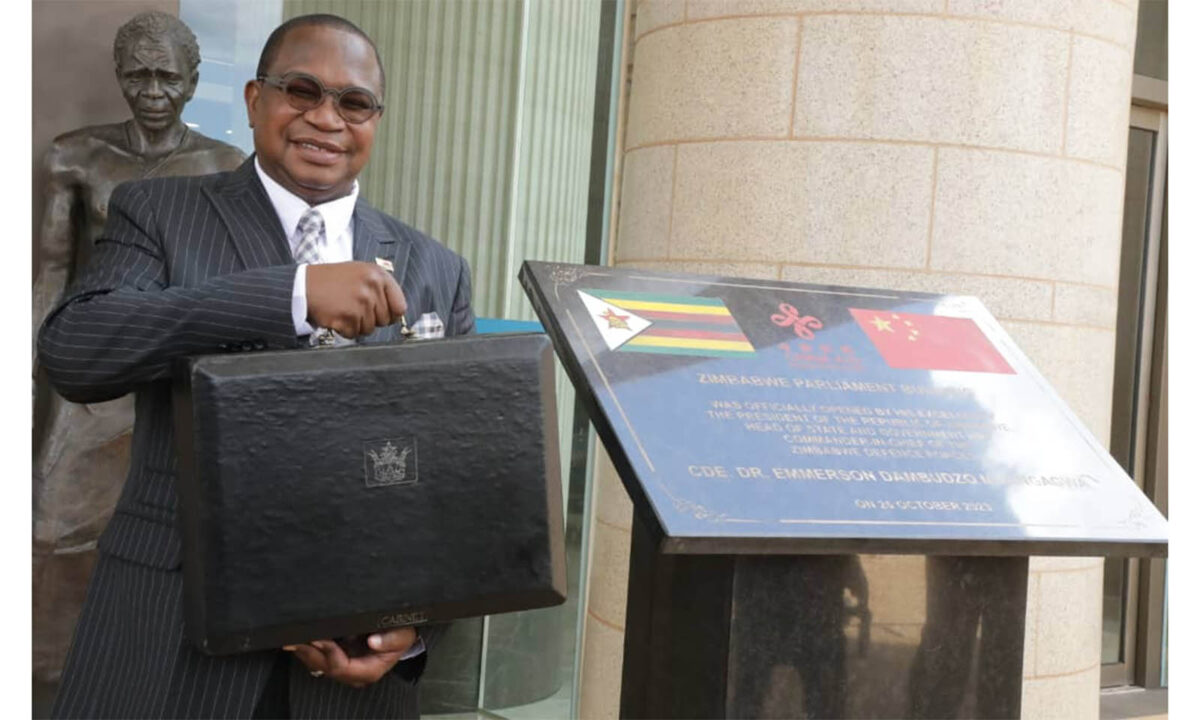
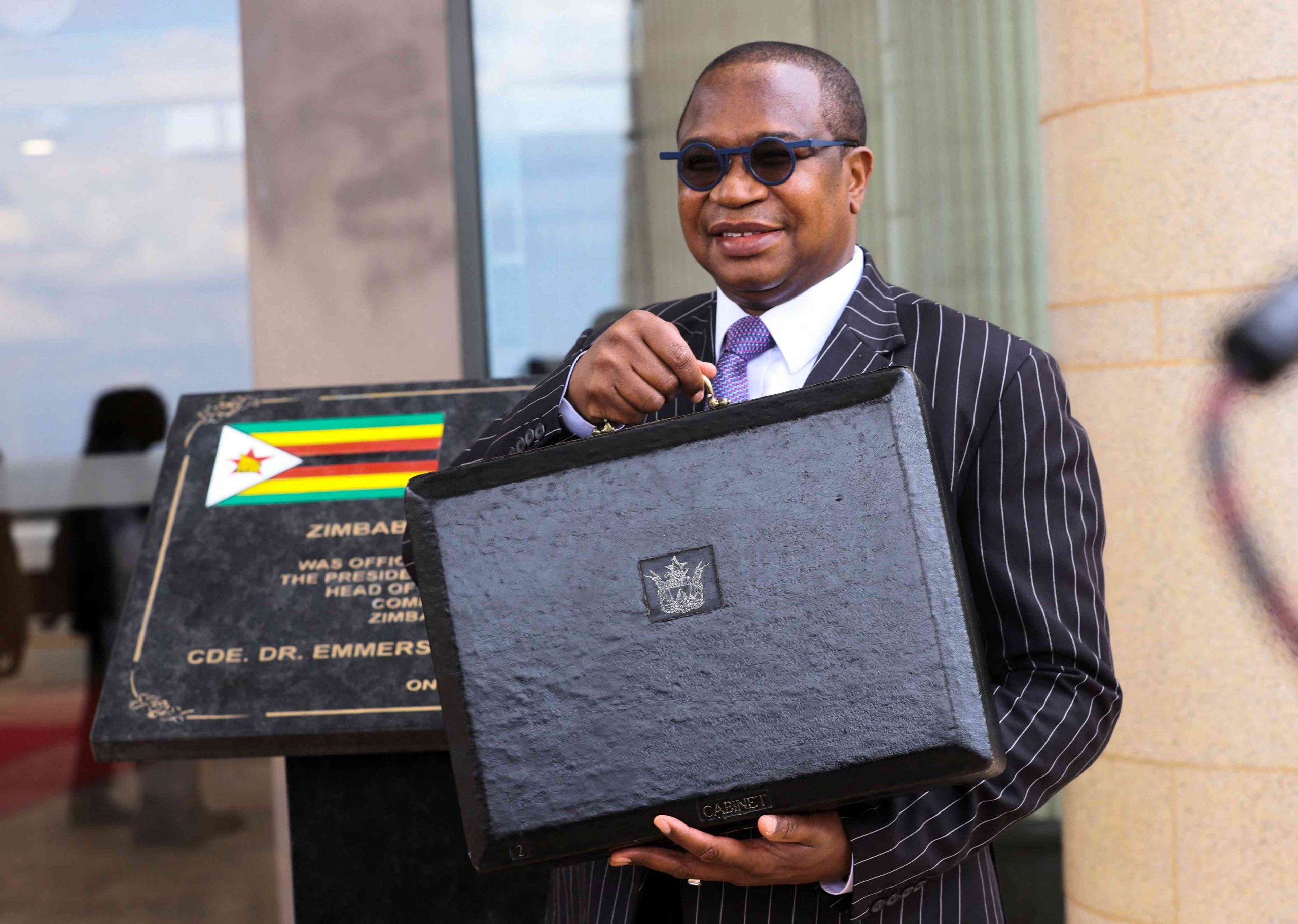
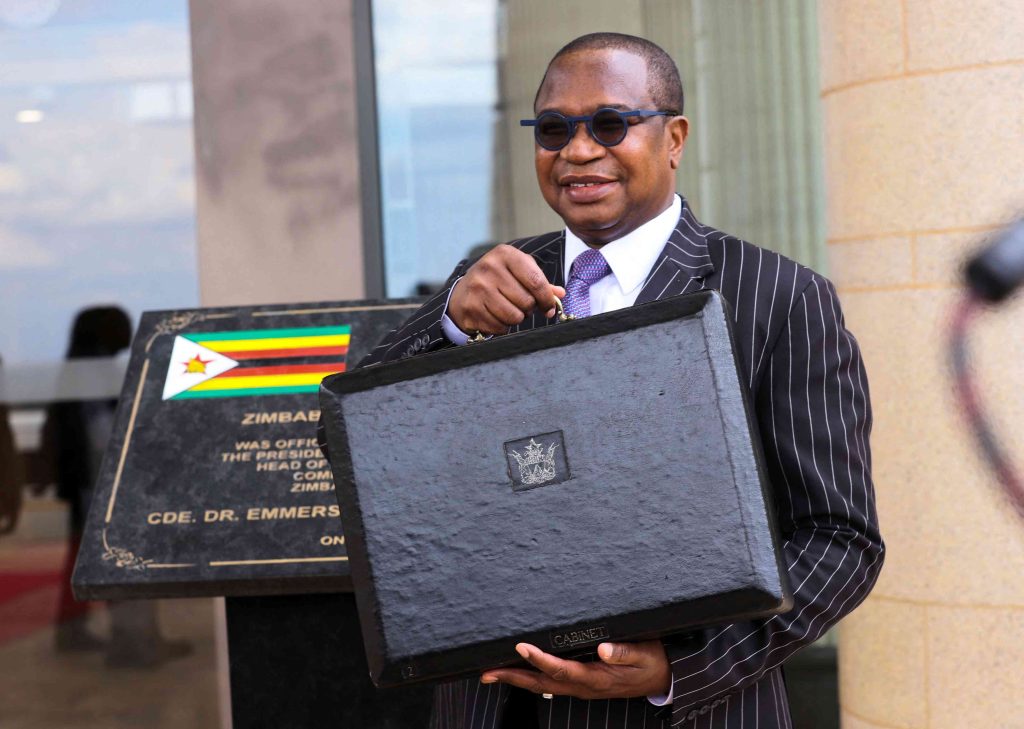
Finance, Economic Development and Investment Promotion minister Mthuli Ncube holds a briefcase as he emerges from his Range Rover Velar 2024 edition to present the 2025 National Budget at the New Parliament in Mt Hampden
Doctors in Zimbabwe are demanding transparency from Finance Minister Mthuli Ncube over the use of money collected from the sugar tax. The Zimbabwe Association of Doctors for Human Rights (ZADHR) has formally requested detailed information on how the revenue has been utilised since the tax was introduced earlier this year.
ZADHR, through their lawyer Precious Chakasikwa of Zimbabwe Lawyers for Human Rights, penned a letter to Ncube on 21 November 2024. The letter questions how much has been raised from the sugar tax and how the funds have been spent. Specifically, ZADHR seeks clarity on whether the money has been used to purchase cancer drugs and equipment, as originally promised.
“We are requesting an account of the total revenue collected from the sugar tax since its implementation on 9 February 2024 under Statutory Instrument 16/24,” the letter reads. “We also want a detailed report on what cancer-related resources have been procured and the list of hospitals that have received these items.”
The association invoked Section 7 of the Freedom of Information Act, citing the need for transparency and accountability in managing public funds.
Government’s Promises in Question
In February 2024, the government introduced a levy on sugary beverages, stating it aimed to reduce sugar consumption due to its links to cancer. Ncube defended the tax, explaining that the funds would be “ring-fenced” for cancer treatment and equipment procurement.
“The sugar tax is a direct response to concerns over the adverse effects of sugar consumption,” Ncube said at the time. “The revenue will be used for cancer therapy and to ensure critical equipment is available in hospitals.”
However, nearly ten months later, doctors are asking whether the funds have been allocated as promised.
ZADHR added that they expect a timely response from the Ministry of Finance. At the time of publishing, Minister Ncube had yet to respond to the request publicly.
Finance, Economic Development and Investment Promotion minister Mthuli Ncube
THE Zimbabwe Association of Doctors for Human Rights (ZADHR) has put Finance, Economic Development and Investment Promotion Minister Hon. Mthuli Ncube under the spotlight by requesting to be furnished with information detailing the total amount of sugar tax collected by government and how the financial resources have been utilised.
In a letter written on 21 November 2024 to the Ministry of Finance, Economic Development and Investment Promotion, ZADHR, which is represented by their lawyer, Precious Chakasikwa of Zimbabwe Lawyers for Human Rights, asked the Ncube-led ministry to provide it with an account of how much special surtax on sugar content in beverages had been collected from 9 February 2024, when government gazetted Statutory Instrument 16/24, the Customs and Excise (Tariff) (Amendment) Notice, 2024 (No. 5).
ZADHR also wants the Ministry of Finance, Economic Development and Investment Promotion to furnish it with an account of what cancer drugs and equipment have been procured since the introduction of the sugar tax and the list of hospitals to which these have been distributed to.
The doctor’s association made the request for access to the information in terms of the provisions of section 7 of the Freedom of Information Act.
ZADHR’s request is aimed at promoting transparency and accountability in the use of public funds.
In February, government introduced a levy on sugary beverages claiming that this was aimed at discouraging people from consuming too much sugar, which it blamed for causing some forms of cancer.
Ncube justified the introduction of the sugar tax as a response to growing concerns on the adverse effects of consumption of sugar, stating that the funds generated from the levy would be ring-fenced for therapy and procurement of cancer equipment.
Finance, Economic Development and Investment Promotion minister Mthuli Ncube
The Zimbabwe Association of Doctors for Human Rights (ZADHR) has put Finance Minister Mthuli Ncube to task, demanding finer details on the government’s sugar tax revenue and its subsequent allocation.
In a letter dated November 21, 2024, ZADHR, represented by attorney Precious Chakasikwa from Zimbabwe Lawyers for Human Rights (ZLHR), the doctors demanded that Ncube should disclose the total amount collected from the special surtax on the sugar content of beverages.
This surtax was enacted following the government’s gazetting of Statutory Instrument 16/24 on February 9, 2024.
Additionally, the doctors want the ministry to provide details on what was purchased using the tax revenue and hospitals covered.
“ZADHR also wants the Ministry of Finance, Economic Development and Investment Promotion to furnish it with an account of what cancer drugs and equipment have been procured since the introduction of the sugar tax and the list of hospitals to which these have been distributed,” said ZLHR in a statement.
The association’s request for this information is grounded in section 7 of the Freedom of Information Act and is intended to foster transparency and accountability in the management of public funds.
The sugar tax was introduced by the government in February as a measure to reduce excessive sugar consumption, which is linked to certain cancer types.
Ncube defended the tax, emphasising that the revenue generated would be dedicated to cancer treatment and the procurement of necessary medical equipment.
Finance, Economic Development and Investment Promotion minister Mthuli Ncube just before presenting the 2025 National Budget at New Parliament in Mt Hampden
HUMAN rights doctors have written to government demanding information on how much money has been collected from the sugar tax and if it has been used for the intended purposes.
In a recent letter addressed to the Finance, Economic Development and Investment Promotion ministry information officer, the Zimbabwe Association of Doctors for Human Rights (ZADHR) said it was requesting the information in terms of section 7 of the Freedom of Information Act [Chapter 10:33].
The rights doctors’ lawyers Kantor & Immerman wrote to Treasury: “(We request) an account of how much special surtax on sugar content in beverages has been collected from the date of gazetting of SI 16/24, the Customs and Excise (Tariff) (Amendment) Notice, 2024 (No 5) on February 9, 2024, to date.
“(We request) an account of what cancer drugs and equipment have been procured to date and to which hospitals these have been distributed.”
Finance, Economic Development and Investment Promotion permanent-secretary George Guvamatanga acknowledged receipt of the doctors’ letter and promised to respond.
“I refer to the above captioned. I write this letter in terms of section 7(2) of the Freedom of Information Act [Chapter 10:33] (the Act) I acknowledge that your request in terms of section 7(1) of the Act was received by my office on November 25, 2024,” he wrote to the lawyers.
“You shall be furnished with my response within the timelines prescribed by law.”
In the 2024 national budget, Finance, Economic Development and Investment Promotion minister Mthuli Ncube last November proposed tax on high sugar content beverages, saying the revenue generated would go towards the creation of a cancer fund.
He introduced the tax at US$0,02 per gramme of sugar in a refreshment beverage, which he later revised to US$0,002 after complaints by manufacturers and the figure will be slashed to US$0,0005 with effect from January 1, 2025.
However, the government is yet to release the actual figures that have been collected to date, but reports in July indicated that since the tax kicked in in February this year, authorities had collected over US$8 million.
“I am glad to say that the Finance ministry has confirmed there is US$8 million now available for us to utilise,” Mombeshora said according to media reports in July.
“This is going to target procurement of cancer treatment machines and cancer treatment supplies and drugs.”
Two months down the line in September, Ncube told legislators in Parliament that government had collected US$18 million from the sugar tax.
“Madam Speaker, special tax of beverages with sugar content for the first quarter amounted to ZiG7,9 million, cumulative collections to date amounted to ZiG248,9 million which is equivalent to about US$18 million,” the Finance minister said while responding to written questions from Emkhandeni-Luveve legislator Discent Bajila.
“Treasury is in the process of working on modalities to join in with the Health minister for the procurement of cancer machines and drugs for distribution in our hospitals.
“We are working speedily with the Health and Child Care ministry through the procurement processes so that we can acquire these machines and drugs as soon as possible,” he said.
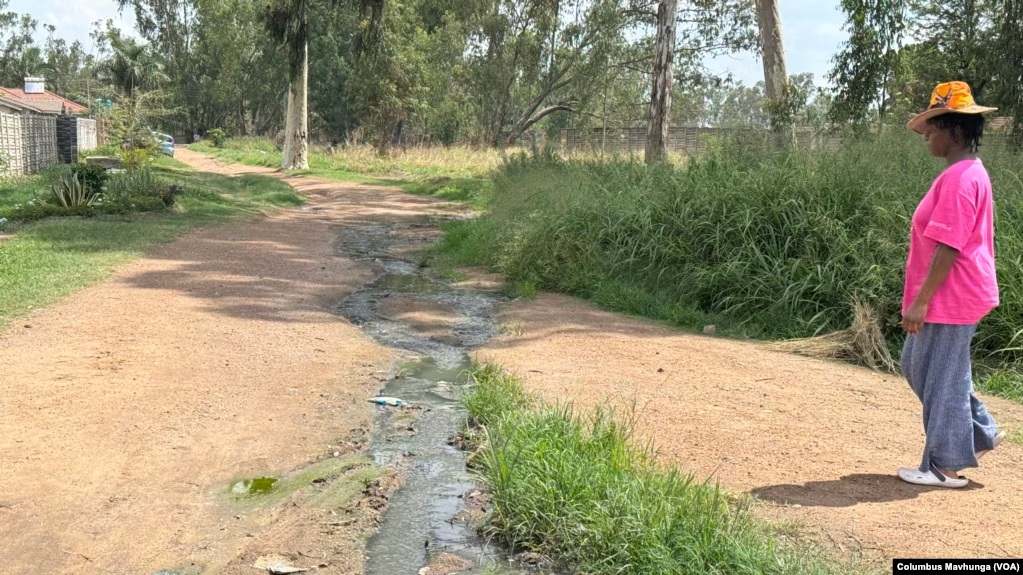
A citizen in Harare, Zimbabwe, looks at raw sewage that experts say is causing cholera, Nov. 13, 2024
Harare, Zimbabwe —
Zimbabwe has recorded new cases of cholera several months after declaring the end of an outbreak that killed more than 700 people over an 18-month period.
On Wednesday, Zimbabwe confirmed a new outbreak of cholera has been recorded in the district of Kariba — on the border with Zambia — where 21 cases have been confirmed and one person died.
Dr. Godfrey Muza, the Kariba district medical officer, said the government is working to contain the situation:
“We have set up cholera equipment camp and also some oral rehydration points within the affected villages,” said Muza. “We are getting assistance from our local and regional partners like MSF [Medecins Sans Frontieres, also known as Doctors Without Borders] and UNICEF. And our teams are on the ground doing risk communication and community engagement activities on health promotion, hygiene promotion and assisting the community in terms of improving sanction.”
In August, the Zimbabwe government declared that the 18-month long cholera outbreak was over. The outbreak affected up to 35,000 people and claimed more than 700 lives.
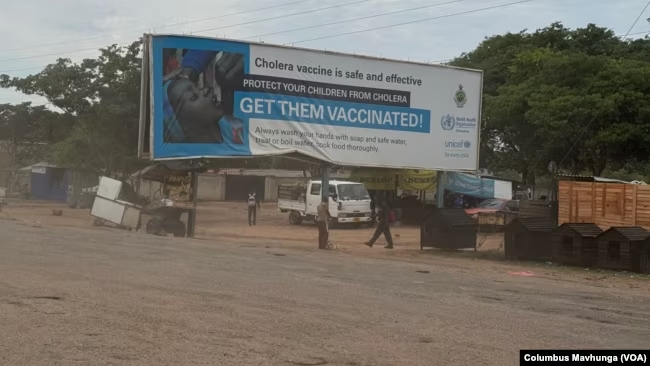
A billboard in Harare, Zimbabwe, encourages people to get vaccinated against cholera, Nov. 13, 2024
Zimbabwe has dealt with cholera outbreaks in the past.
In 2008, an outbreak resulted in more than 98,000 cases and more than 4,000 reported deaths.
Independent health experts such as Dr. Norman Matara of the Zimbabwe Association of Doctors for Human Rights said the government needs to address the conditions that enable the waterborne disease to spread.
“In public health, we often say cholera is a disease of poverty which mainly affects people with inadequate access to safe water and basic sanitation,” said Matara.
“In Zimbabwe, we have witnessed perennial cholera outbreaks in recent years and these outbreaks are being caused by a lack of safe drinking water supply and a broken-down sanitation system which leaves residents in densely populated communities surrounded by flowing sewer. This sewer will then contaminate alternative sources of water such as shower wells, streams, rivers and even boreholes resulting in people drinking or eating food contaminated with the cholera bacteria.”
He said that those conditions have been chronic over the years in Zimbabwe, contributing to the repeated outbreaks.
How does Zimbabwe get out of this cycle of recurring cholera outbreaks?
“We need to make sure that our hospitals are well-supposed with the real addressing solutions and medicines so that people can be assisted,” said Matara.
” … Also, those high-risk communities, especially in towns and urban cities, we may give them the oral cholera vaccine so that they may be protected. In the long term, the government needs to invest more in proper sanitation facilities and infrastructure as well as making sure that people are provided with clean safe water for drinking and cooking.”
Matara said he hopes the current outbreak is contained quickly and does not spread to other parts of Zimbabwe.
But with raw sewage flowing in some streets of Harare, it might be a question of time.
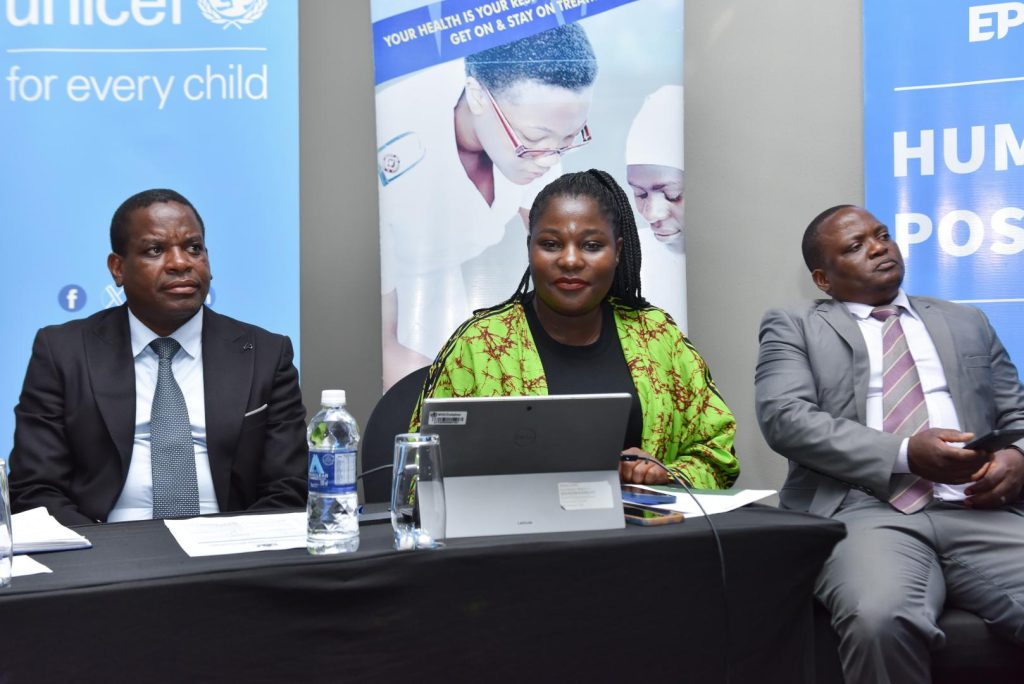
Harare – On 3 October 2024, Zimbabwe marked the belated World Health Day and the 50th anniversary of the Expanded Programme on Immunisation (EPI), a significant milestone in its public health journey.
The dual commemoration provided an opportunity to reflect on the progress made in improving health and well-being in the country, while also acknowledging the work that still needs to be done to promote health for all Zimbabweans.
In his address, the Health and Child Care minister Dr Douglas Mombeshora highlighted the importance of health as a fundamental human right and emphasized the role of immunization in building a healthier Zimbabwe.
He highlighted the country’s achievements in EPI, including the eradication of smallpox, polio-free certification, and successful outbreak responses.
The Minister also acknowledged the challenges that lie ahead, such as disparities in access to immunization and the rise of misinformation.
He called for collaborative efforts to address these barriers and ensure that every Zimbabwean has access to life-saving vaccines.
The EPI programme in Zimbabwe has achieved remarkable success in eliminating maternal and neonatal tetanus, eliminating wild forms of polio, and reducing measles incidence.
The government’s commitment to public health has been evident in its proactive response to outbreaks and its introduction of environmental surveillance for polio.
The country achieved universal childhood immunisation coverage of over 80% in 1990.
Furthermore, the introduction of new vaccines, such as those for human papilloma virus, hepatitis B, typhoid conjugate vaccine and pneumococcal disease, has broadened the scope of protection.
Efforts to reach remote and underserved communities have enhanced access to vaccines, ensuring that no child is left vulnerable.
Widespread vaccination has helped establish herd immunity, which protects those who cannot be vaccinated, such as individuals with certain medical conditions.
This collective immunity is crucial for preventing outbreaks and maintaining public health.
The EPI programme has also played a role in strengthening Zimbabwe’s health systems.
The infrastructure developed for immunization services, including cold chain systems and trained health personnel, has had a positive impact on overall healthcare delivery.
These advancements have improved the country’s ability to respond to various health challenges beyond immunization.
Despite the remarkable progress, vaccine hesitancy, misinformation, and logistical hurdles continue to hinder immunization efforts in some areas.
To sustain the gains made and reach the unvaccinated, continued investment in immunisation infrastructure, public education, and research is essential to maintaining and expanding the gains achieved.
Collaboration with international partners and the engagement of communities will be vital in addressing emerging health threats and ensuring that every individual benefit from the life-saving power of vaccines.
UNICEF Zimbabwe deputy representative Zeinab Adam committed to continued collaboration with government, key partners and donors at a national and sub-national level to accelerate efforts to improve public health for all.
“Investments towards strengthening of the country’s health systems and infrastructure to ensure equitable access to healthcare services remain critical, with all partners playing their key as collaboration is very critical in vaccination,” added Dr Sarah Wanyoike, WHO Zimbabwe acting representative.
WHO, GAVI, UNICEF and other immunization partners are supporting the Government of Zimbabwe in achieving various health goals, including maintaining high immunization coverage aligned with the global Sustainable Development Goal 3 (SDG 3).
Efforts focus on improving service delivery, enhancing the capacity of the health workforce, and implementing essential health financing reforms as outlined in the National Health Strategy (2021-2025).
The care group model, promoted by the Ministry of Health and Child Care, serves as a community-based strategy to share vital health information and empower mothers to take an active role in their families’ well-being
In Mhlotshana village, Mangwe district, village health workers like Sibongile Ncube are on the frontline in the fight against all forms of malnutrition.
Six months after Zimbabwe declared a disaster due to the El Niño-induced drought, village health workers are helping families access vital health and nutrition services.
Located in the country’s southwestern part, Mangwe is one of the 29 districts most severely impacted by the ongoing drought, grappling with food and water shortages. In this critical time, village health workers have become even more integral.
They play a vital role in the early detection and referral of children for treatment of acute malnutrition, conducting active screening, distributing micronutrient supplements, and supporting the Family-Led MUAC initiative, which trains caregivers to measure their children’s Mid-Upper Arm Circumference (MUAC) to screen for acute malnutrition.
Sibongile describes the harsh realities families face because of the drought.
“The impact has been devastating. Mothers are walking long distances to fetch water, and many families are down to just one meal a day,” she says. “I’m doing my best to support these mothers and children, ensuring they get the care and help they need.
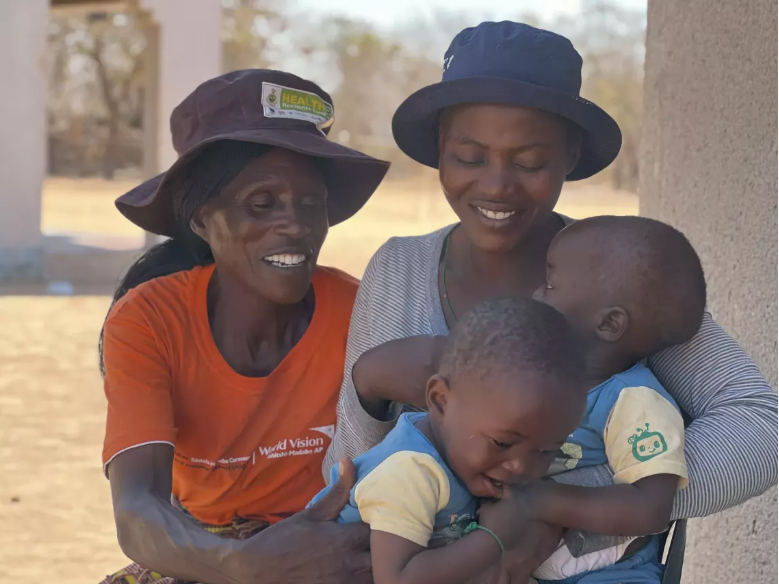
One such mother is Musa Sibanda, a young mother of 1-year-old twin boys Bekimuzi and Bekinkosi. During her regular home visits, Sibongile noticed Bekinkosi’s MUAC measurement was dropping below the normal range. Concerned and in line with her guidelines, she immediately referred Musa to the nearest clinic, where he was diagnosed with moderate acute malnutrition and placed on a ready-to-use therapeutic food (RUTF) treatment plan.
Sibongile Ncube, a village health worker, with Musa Sibanda and her children at their homestead during a growth monitoring visit in Mangwe.
According to a recent UNICEF report, approximately 580,000 young children in Zimbabwe are living in severe food poverty, making them vulnerable to malnutrition. The number is set to rise with the ongoing El Nino induced drought.
Sibongile’s support for mothers in the community goes beyond MUAC screening for acute malnutrition.
She leads a care group where mothers come together to learn about optimal infant and young child feeding practices, and hygiene.
The care group model, promoted by the Ministry of Health and Child Care, serves as a community-based strategy to share vital health information and empower mothers to take an active role in their families’ well-being.
Musa is part of a care group led by Sibongile, and joining the care group was eye-opening.
“Before, I thought my children’s nutritional status was satisfactory because we had more than one meal daily. But through the care group, I learned about the importance of a balanced diet, especially for young children.”
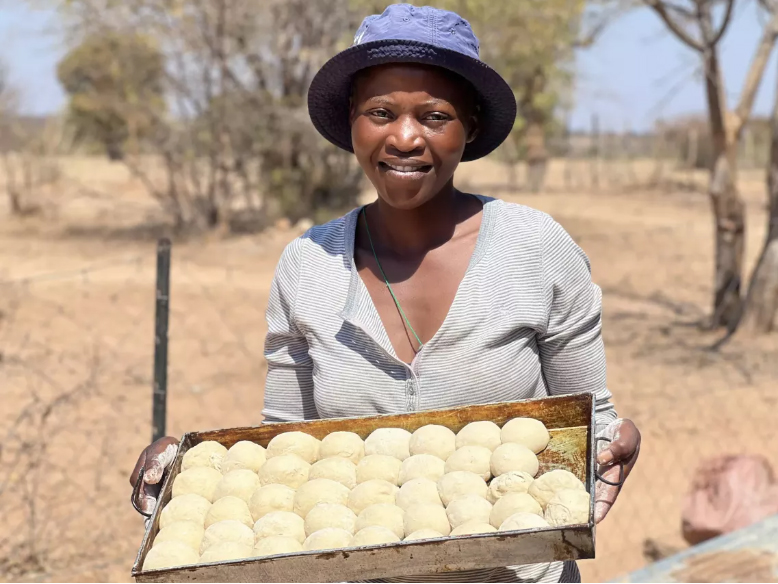
Beyond the life-saving nutrition education, the care group has empowered Musa and other women in the village. Together, they started a small project baking bread buns to sell locally.
This has provided them a chance to earn an income, which they use to buy fresh vegetables and other nutritious foods for their families.
Musa Sibanda holds a batch of bread buns, part of her CareGroup project aimed at helping mothers achieve economic independence
The government is scaling up efforts nationwide with various initiatives to deliver crucial health services to hard-to-reach and remote areas, where access to clinics and hospitals is limited.
Claudia Gwatidzo, the Nutrition Assistant for Mangwe District, commends the Ministry of Health for its outreach programs, emphasizing that they have been essential for identifying malnutrition cases in communities.
“Most households need to travel quite a distance to reach the nearest clinic; this poses a significant challenge for many families,” she notes.
“This discourages regular check-ups, especially for children and pregnant women, who of often need consistent health services. Many can’t afford the time or cost of travelling distances, so the outreach services are vital in bridging that gap.”
With support from UNICEF and UN Central Emergency Response Fund (CERF), the Ministry of Health and Child Care is scaling up community-based MUAC screening and expanding nutrition services across Zimbabwe’s drought-affected regions.
These efforts focus on providing nutrition education and improving access to quality diets for the most vulnerable groups, which include children under five, pregnant and lactating women, and adolescents.
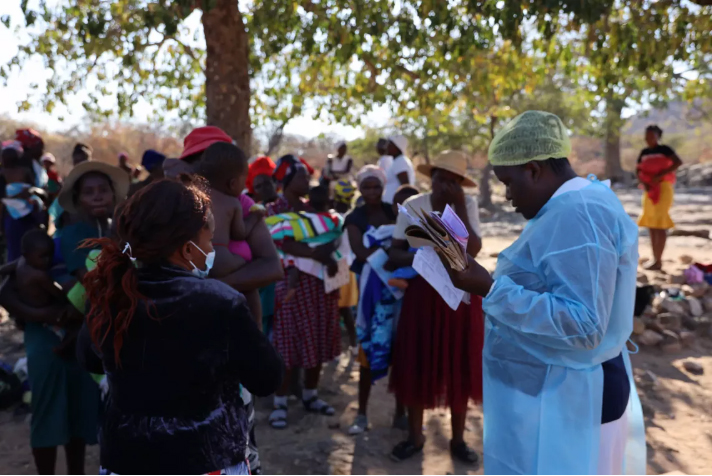
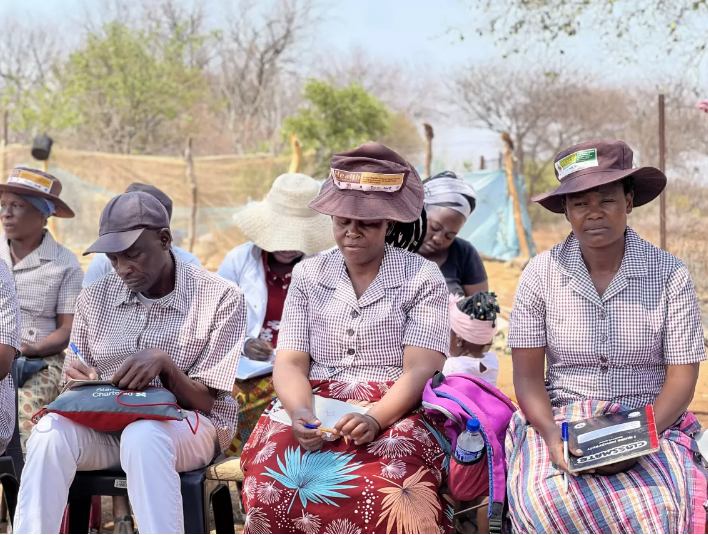
Mothers and caregivers with their children during an outreach in Mangwe District
Through a coordinated approach, UNICEF is working closely with partners to support the government of Zimbabwe in addressing the nutrition emergency caused by the El Niño-induced drought.
As families continue to navigate the challenges brought by the drought, village health workers like Sibongile are vital to ensuring no child is left behind.
Village health workers in the Mangwe district at training on scaling up nutrition emergency response efforts













Recent Comments