When Agnes Kativhu could not get treatment for breast cancer from Harare’s main public hospital, she checked in to one of the many self-styled herbal clinics opening up across Zimbabwe’s capital.
“I was a moving grave but am now well,” Kativhu claimed in an interview at the centre, where she spent around a month.
“I never want to go back to the hospital because it broke my heart that they failed to give me a single tablet,” the 67-year-old told AFP.
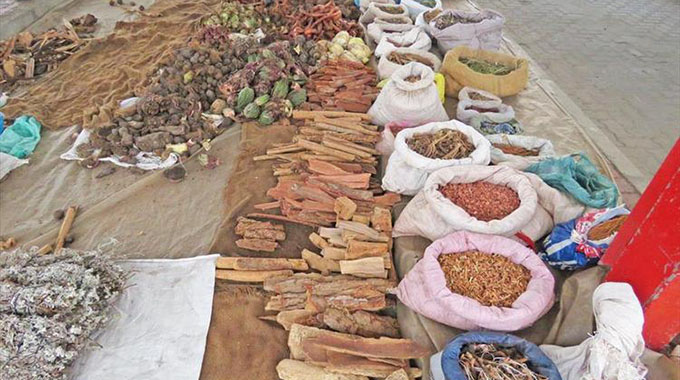
Unaccredited, unregulated and with unproven results, herbalists are in growing demand among Zimbabweans who feel let down by a public health system in ruins.
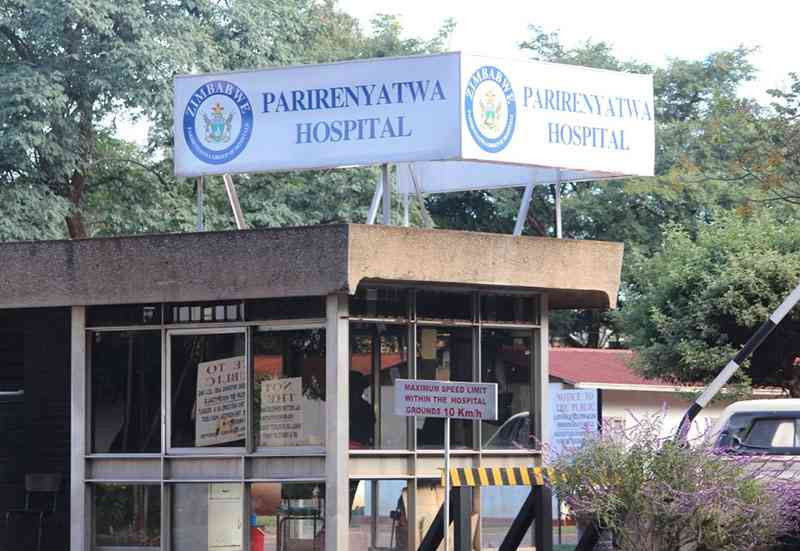
The country’s largest public hospital, Parirenyatwa, has not had a functioning mammogram machine for 15 years.
It does, however, have the only operating radiotherapy cancer treatment machine available to the general public in the entire country of nearly 17 million people.
“We recognise that one machine is insufficient,” said Nothando Mutizira, head of oncology at Parirenyatwa.
“However, we are managing to provide radiotherapy services with this single unit.”
Parirenyatwa Group of Hospitals
Like other public hospitals struggling through Zimbabwe’s deep and enduring economic crisis, Parirenyatwa lacks medicine, equipment and even staff as doctors and nurses quit for better salaries and conditions abroad.
‘No drugs’
Some hospitals solicit donations of medicine and essential items such as gloves and syringes.
“There are no drugs,” said Simbarashe James Tafirenyika, president of Zimbabwe Municipalities Nurses and Allied Workers Union.
Even when a hospital has equipment, regular power outages put the machines out of service, he said.
Public hospitals are losing their staff to the growing private sector and countries like Britain – where qualified nurses can earn more money as carers – or even closer to home in the less well-off region.
“Some are migrating to South Africa, some are migrating to Zambia, some are actually migrating to Mozambique,” Tafirenyika said.
The corridors at Parirenyatwa are jammed with patients and their families navigating paint-chipped walls under cracked ceilings. The waiting lists are long.
Those who can afford it, travel to neighbouring South Africa for treatment. Others go to herbalists.
Faith based on ‘fear’
There is some misguided faith in the benefits of herbs and the risks of hospital treatment, said Lovemore Makurirofa, from the Cancer Association of Zimbabwe.
“Many people fear both the disease and its treatments, avoiding chemotherapy, radiotherapy and surgery,” he said.
The emerging herbal clinics – which advertise for business on street corners via loudspeakers – frustrate the hospitals.
“When you ask patients why it has taken them that long to come and seek medical attention, usually they will tell you that they’ve been using herbal medicines for quite a long time,” Mutizira said.
She added: “When patients eventually come, they come either with stage three or stage four cancer which is more difficult to treat, more expensive to treat and also the outcomes are much poorer.”
The herbalist who runs the Harare centre where Kativhu sought help for her breast cancer is confident of his abilities.
“I can treat any type of cancer,” said Never Chirimo, 66. Herbs also enable him to diagnose cancer, he claimed.
But he would like to work more closely with the hospitals.
“What I want is an open dialogue with doctors. Ultimately, we should work together, as many cancer patients prefer herbal remedies over conventional medicine.”
Another of his patients, 58-year-old Wilfred Manatsa said he spent $25 000 on treatment at a private hospital for prostate cancer and kaposi sarcoma.
Surgery would have cost another $7 000 that he did not have. He put his faith in the herbs.
“I put aside my prescribed medications and now rely solely on herbs,” Manatsa said.
The care group model, promoted by the Ministry of Health and Child Care, serves as a community-based strategy to share vital health information and empower mothers to take an active role in their families’ well-being
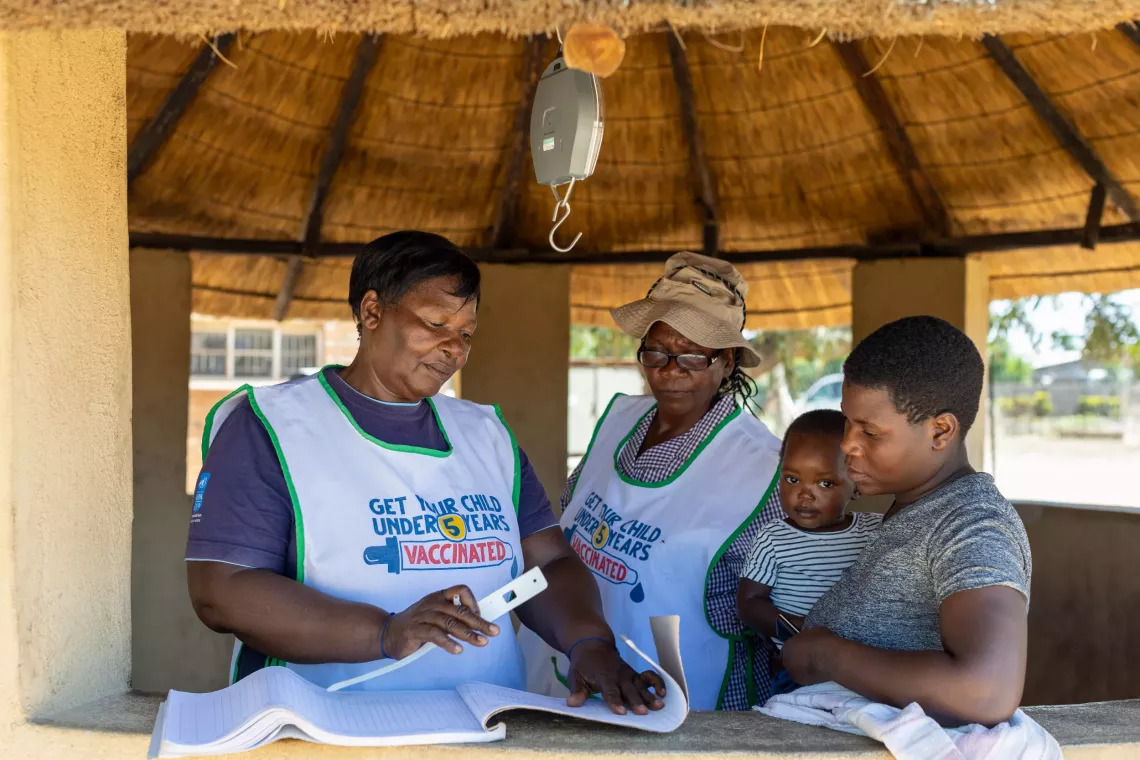
In Mhlotshana village, Mangwe district, village health workers like Sibongile Ncube are on the frontline in the fight against all forms of malnutrition.
Six months after Zimbabwe declared a disaster due to the El Niño-induced drought, village health workers are helping families access vital health and nutrition services.
Located in the country’s southwestern part, Mangwe is one of the 29 districts most severely impacted by the ongoing drought, grappling with food and water shortages. In this critical time, village health workers have become even more integral.
They play a vital role in the early detection and referral of children for treatment of acute malnutrition, conducting active screening, distributing micronutrient supplements, and supporting the Family-Led MUAC initiative, which trains caregivers to measure their children’s Mid-Upper Arm Circumference (MUAC) to screen for acute malnutrition.
Sibongile describes the harsh realities families face because of the drought.
“The impact has been devastating. Mothers are walking long distances to fetch water, and many families are down to just one meal a day,” she says. “I’m doing my best to support these mothers and children, ensuring they get the care and help they need.
One such mother is Musa Sibanda, a young mother of 1-year-old twin boys Bekimuzi and Bekinkosi. During her regular home visits, Sibongile noticed Bekinkosi’s MUAC measurement was dropping below the normal range. Concerned and in line with her guidelines, she immediately referred Musa to the nearest clinic, where he was diagnosed with moderate acute malnutrition and placed on a ready-to-use therapeutic food (RUTF) treatment plan.
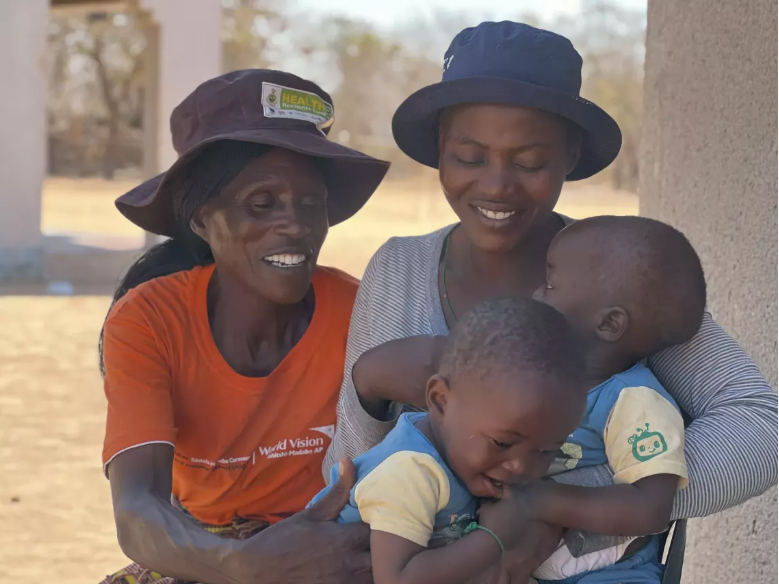
Sibongile Ncube, a village health worker, with Musa Sibanda and her children at their homestead during a growth monitoring visit in Mangwe.
According to a recent UNICEF report, approximately 580,000 young children in Zimbabwe are living in severe food poverty, making them vulnerable to malnutrition. The number is set to rise with the ongoing El Nino induced drought.
Sibongile’s support for mothers in the community goes beyond MUAC screening for acute malnutrition.
She leads a care group where mothers come together to learn about optimal infant and young child feeding practices, and hygiene.
The care group model, promoted by the Ministry of Health and Child Care, serves as a community-based strategy to share vital health information and empower mothers to take an active role in their families’ well-being.
Musa is part of a care group led by Sibongile, and joining the care group was eye-opening.
“Before, I thought my children’s nutritional status was satisfactory because we had more than one meal daily. But through the care group, I learned about the importance of a balanced diet, especially for young children.”
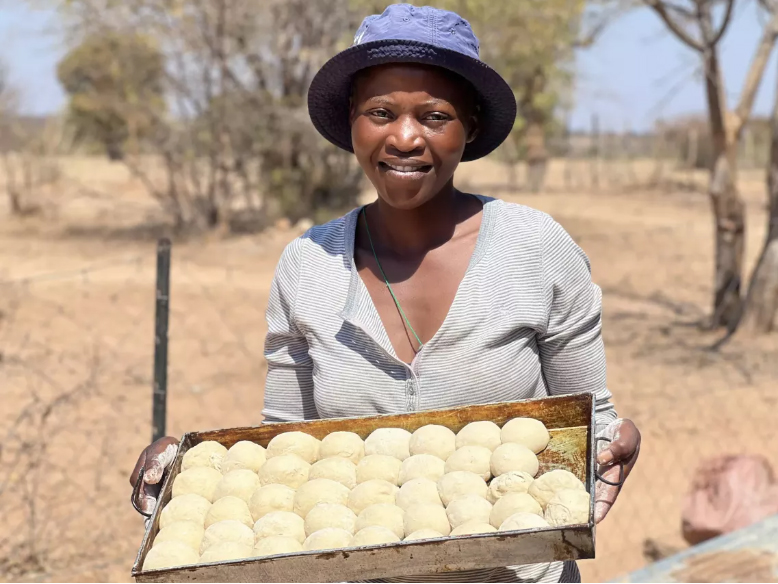
Beyond the life-saving nutrition education, the care group has empowered Musa and other women in the village. Together, they started a small project baking bread buns to sell locally.
This has provided them a chance to earn an income, which they use to buy fresh vegetables and other nutritious foods for their families.
Musa Sibanda holds a batch of bread buns, part of her CareGroup project aimed at helping mothers achieve economic independence
The government is scaling up efforts nationwide with various initiatives to deliver crucial health services to hard-to-reach and remote areas, where access to clinics and hospitals is limited.
Claudia Gwatidzo, the Nutrition Assistant for Mangwe District, commends the Ministry of Health for its outreach programs, emphasizing that they have been essential for identifying malnutrition cases in communities.
“Most households need to travel quite a distance to reach the nearest clinic; this poses a significant challenge for many families,” she notes.
“This discourages regular check-ups, especially for children and pregnant women, who of often need consistent health services. Many can’t afford the time or cost of travelling distances, so the outreach services are vital in bridging that gap.”
With support from UNICEF and UN Central Emergency Response Fund (CERF), the Ministry of Health and Child Care is scaling up community-based MUAC screening and expanding nutrition services across Zimbabwe’s drought-affected regions.
These efforts focus on providing nutrition education and improving access to quality diets for the most vulnerable groups, which include children under five, pregnant and lactating women, and adolescents.
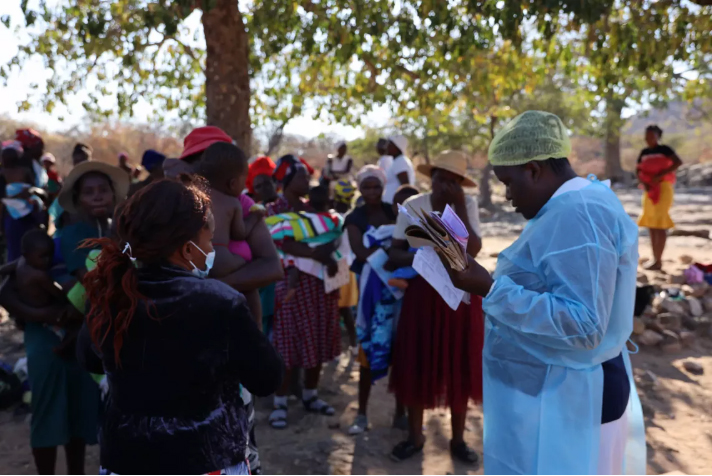
Mothers and caregivers with their children during an outreach in Mangwe District
Through a coordinated approach, UNICEF is working closely with partners to support the government of Zimbabwe in addressing the nutrition emergency caused by the El Niño-induced drought.
As families continue to navigate the challenges brought by the drought, village health workers like Sibongile are vital to ensuring no child is left behind.
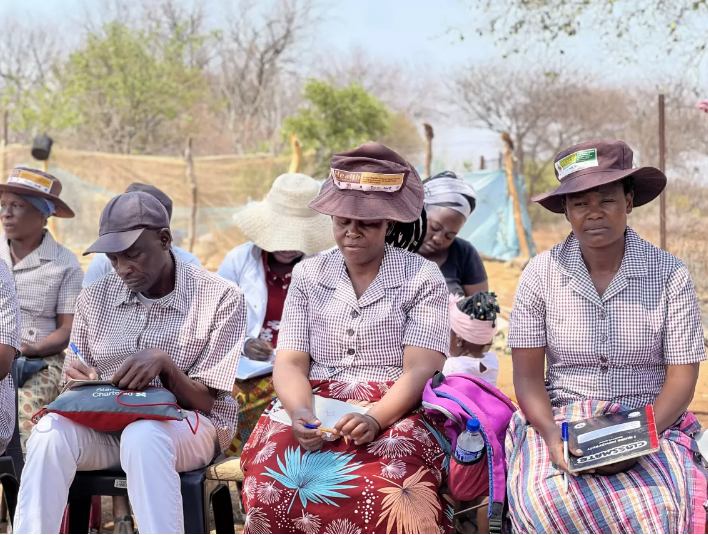
Village health workers in the Mangwe district at training on scaling up nutrition emergency response efforts
Community health worker Maria Matuka didn’t grow up riding a bicycle – but now she considers it indispensable to her life-saving job.
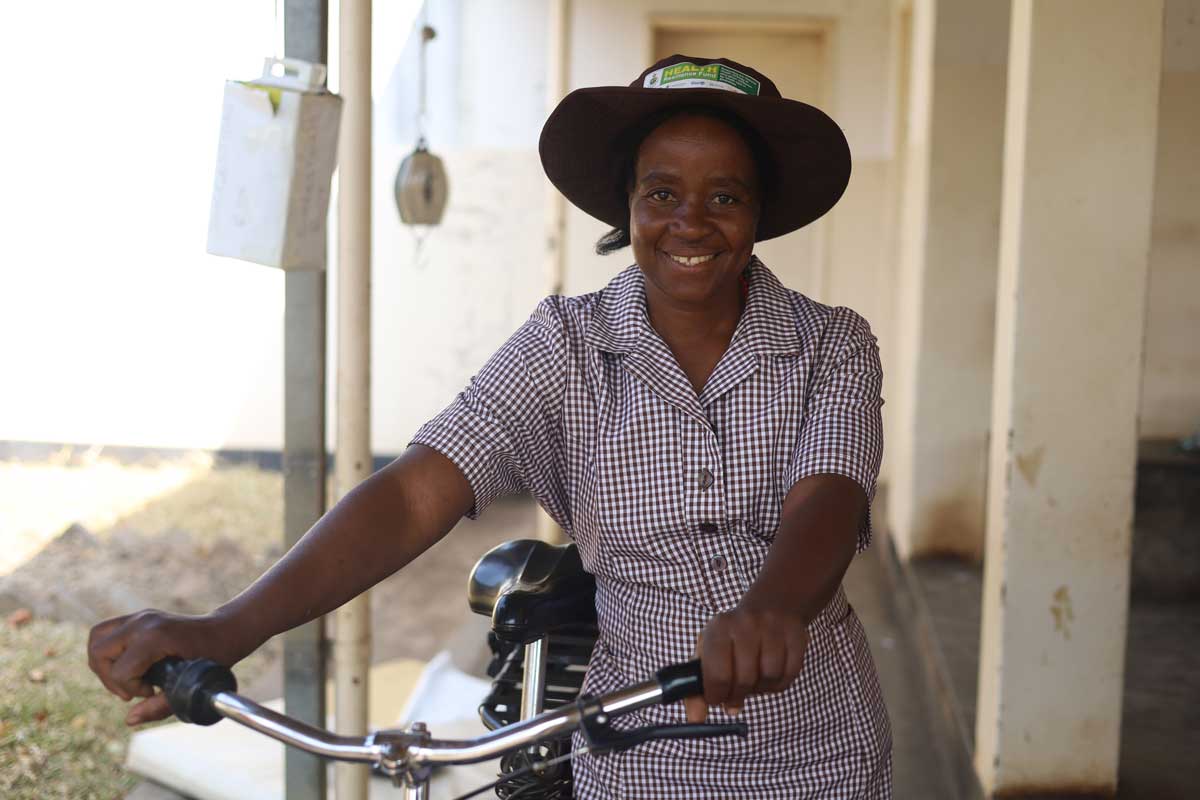
Maria Matuka’s job as a community health workers is made easier by a bicycle built for the rugged roads in Chiredzi, Zimbabwe
MARIA Matuka arrives at Chizvirizviri Clinic, in Chiredzi, south-east Zimbabwe, to collect the medical supplies she will distribute in the village.
Looking physically fit, the 46-year-old mother of four has cycled more than five kilometres from her home to get to this health facility – her nearest clinic, and the only one for a long way in this sparsely populated area.
The roads are rugged and the terrain is rough, making it difficult to access even in an off-road car.
While cycling is a popular leisure-time physical activity in some parts of the world, in this remote part of Zimbabwe, it is not only a crucial form of transportation, but a lifesaver.
“If you reduce the distance to a few kilometres, the mothers will bring their children [for vaccination].”
– Simbarashe James Tafirenyika, president of the Zimbabwe Municipalities Nurses and Allied Workers Union
Sitting tall on a black saddle, Matuka visits households to talk to mothers about getting their babies vaccinated against risky infectious diseases like tetanus, measles and poliomyelitis.
“It takes some minutes to move from one household to another, encouraging mothers to bring their babies to a centre in the village for vaccination,” Matuka tells VaccinesWork.
“It was difficult when I became a village health worker without a bicycle. It was draining. I felt cramp pains and numbness after walking long distances.”
Matuka is one of the 45,923 community health workers in Zimbabwe provided with bicycles at no cost since 2009 by World Bicycle Relief (WBR), a charity based in the United States.
Maria Matuka, a vaillage health worker, reports every month at Chizvirizviri clinic
Getting closer
Zimbabwe’s Expanded Programme on Immunisation (ZEPI) has been making routine vaccines available for free to children since 1982, initially to beat back illnesses including measles, polio, tetanus, tuberculosis and diphtheria.
Over the years, the programme has grown to protect against other diseases, such as Hepatitis B.
Matuka became a community health worker in January 2021 and got her bicycle in December of the same year. It was her first time owning and riding a bike, and it took her a few days to learn, with lessons from her neighbour’s children.
But challenges, including logistical hurdles, mean there’s still further to go on coverage.
Matuka says some rural communities live long distances away from a health facility, a factor which has a negative effect on health-seeking behaviours.
“This is why we have a baby clinic every month,” she says, referring to an outreach campaign in which mobile clinics manned by nurses bring vaccines closer to children not only in rural areas, but urban areas too.
This initiative, and the bicycles, help health workers like Matuka take health services to the people.
“If you reduce the distance to a few kilometres, the mothers will bring their children [for vaccination],” says Simbarashe James Tafirenyika, president of the Zimbabwe Municipalities Nurses and Allied Workers Union, a labour union that represents nurses employed by local authorities.
A bridge between the health system and the community
The Health Ministry also rolls out vaccination campaigns for children against diseases like measles and polio, when the need arises.
For instance, in 2022 and 2023, Zimbabwe undertook nation-wide supplementary immunisation activities with bivalent oral polio vaccine following the detection of wild poliovirus 1 in neighbouring Mozambique and Malawi in 2022.
Village health workers like Matuka play a critical role in interventions like these through mobilisation of mothers in rural areas, who can often fall beyond the reach of professional health workers.
“Currently, the village health workers move around communities conscientising mothers and disseminating information to them,” Tafirenyika says.
“Some people in the rural areas have no access to radios and television, which often broadcast information on vaccines. It is village health workers who disseminate information about national immunisation programmes.”
Matuka became a community health worker in January 2021 and got her bicycle in December of the same year.
It was her first time owning and riding a bike, and it took her a few days to learn, with lessons from her neighbour’s children.
“I grew up in Zaka and our culture and tradition did not allow women to ride bicycles,” says Mutuka, recalling her memories from her rural home in Masvingo province.
She not only educates mothers about vaccination, but also passes on other knowledge and skills.
“I mobilise mothers to come for monthly baby weighing. I also educate them about breastfeeding as well as monitoring the health of their babies using the mid-upper arm circumference (MUAC) tapes,” she says, referring to a measurement that is used to quickly determine if a child is acutely malnourished.
“I also test people for malaria and recommend them to visit the clinic for further diagnosis. I also collect from the clinic and distribute medication to people living with human immunodeficiency virus (HIV) and tuberculosis (TB).”
Matuka, who reports every month at Chizvirizviri Clinic, distributes pamphlets on different health issues like malaria and cholera prevention to people in the villages.
Tafirenyika says she plays a crucial role in educating people in remote areas.
“Some people do not know the importance of these vaccines which are given to children. The pamphlets can help some people who can read to know the importance of those vaccines and how they help in curbing and preventing highly infectious diseases like polio,” he says.
Sean Granville-Ross, Executive Director of Programs at World Bicycle Relief, says village health workers are essential in delivering health care services to rural communities, where access to health care facilities can be limited due to distance.
“These health workers provide vital services such as vaccine mobilisation, maternal and child health care, nutritional education and basic medical care. However, without reliable transportation, their ability to reach patients is severely restricted,” Granville-Ross tells VaccinesWork.
“A Buffalo Bicycle allows them to cover much more ground – reaching up to 88% more patients, quadrupling the frequency of patient visits and allowing health workers to spend more time with patients. This significantly enhances their ability to ensure that mothers in rural areas are informed and motivated to vaccinate their children, helping to improve health outcomes across the community.”
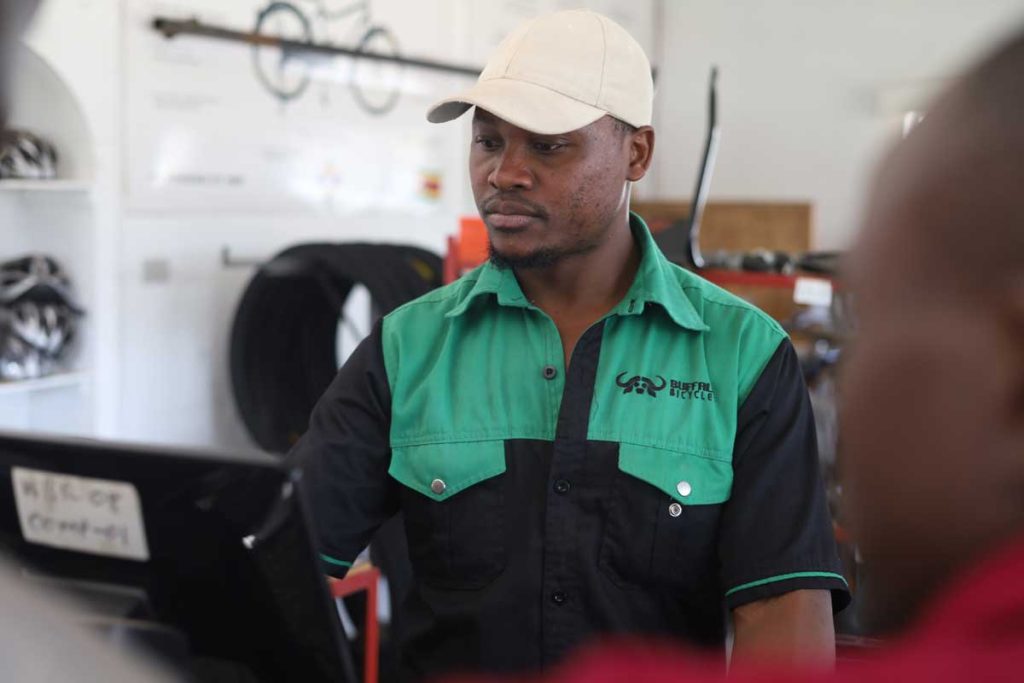
One of the shops where village health workers get parts to service their bicycles in Chiredzi town
Calls to increase remuneration for village health workers
Village health workers are registered with the local clinic and the Ministry of Health and Child Care.
Some are given allowances from various development partners they work with, but experts and labour unions say more needs to be done to remunerate – and incentivise – these essential health workers across the country.
Itai Rusike, the executive director for Community Working Group on Health (CWGH), says village health workers should be supported with allowances from the national budget to enhance their work and motivate them, instead of the current situation where they rely on external partners for their tools of the trade.
“At the present there is no standardisation of payment of allowances. Some are paid their allowances on time, with others not being paid on time,” Rusike tells VaccinesWork.
Matuka’s bicycle is regularly serviced at a low cost at a workshop near Chizvirizviri clinic by a mechanic trained by the American charity.
Plans are underway to expand the programme to additional districts to scale efforts to improve health care access and support national vaccination initiatives in rural communities throughout Zimbabwe, says Granville-Ross.
Matuka says she wishes the bicycle could be modified to have a luggage carrier to ferry medical supplies and educational materials.
“Currently, I carry a heavy bag with the supplies on my back, which is painful,” she says.
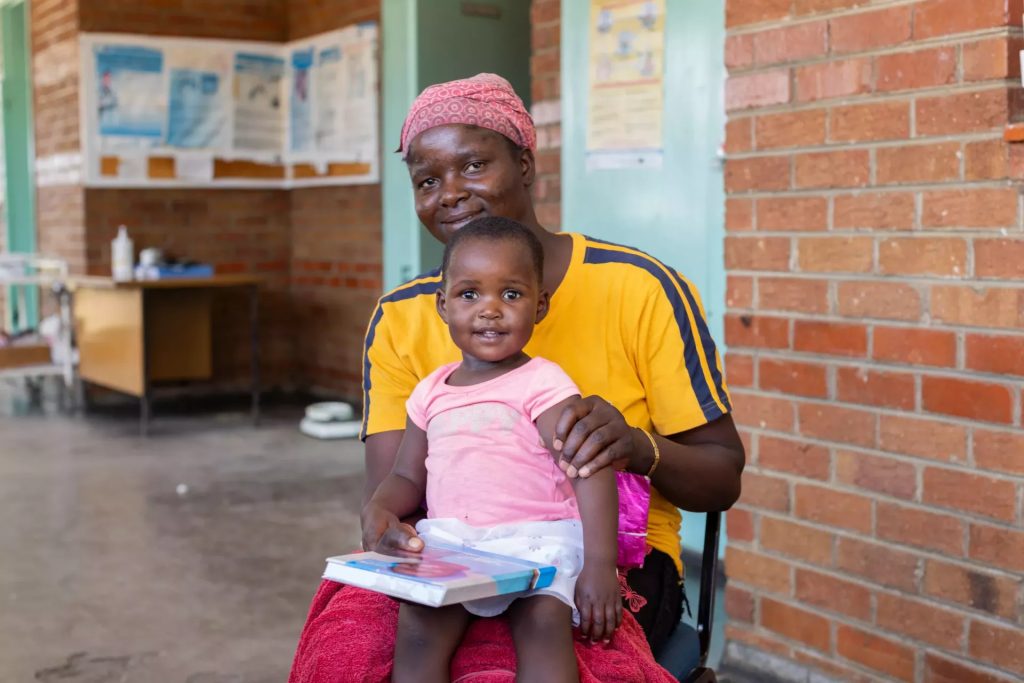
Sanele Mutsiwa with daughter Faith at Kezi Rural Hospital
SANELE Mutsiwa, 25, smiles at her two-year-old daughter Faith at Kezi Clinic in Matobo district, Zimbabwe, where she has gone to get her child vaccinated.
She holds a baby card, while Faith sits on her lap.
Sanele says she owes this happy moment to her local village health worker, who supported her during pregnancy and after birth.
It was village health worker Duduzile Ndlovu who conducted Sanele’s pregnancy test, encouraged her to make the 3km journey to the hospital to make a booking, and continued to monitor the mother and baby after birth.
“Duduzile has been with us all the way,” Sanele says.
“She makes sure I know about the nutritional needs of my child, informs me about disease outbreaks and immunisation campaigns and pushes all of us in the community to adopt safe water, sanitation and hygiene practices.”
Sanele lives in Matabeleland South province, a poor rural region of western Zimbabwe, where it is difficult for young mothers to reach a health facility and have their babies vaccinated.
But now they can rely on village health workers who come and reach out to them, where they live.
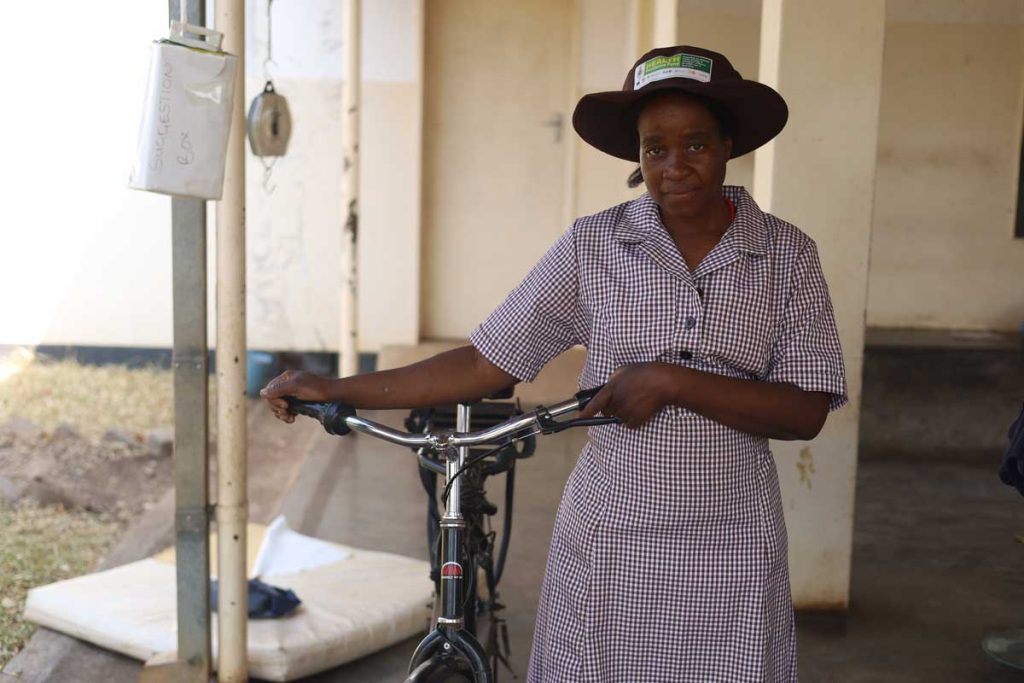
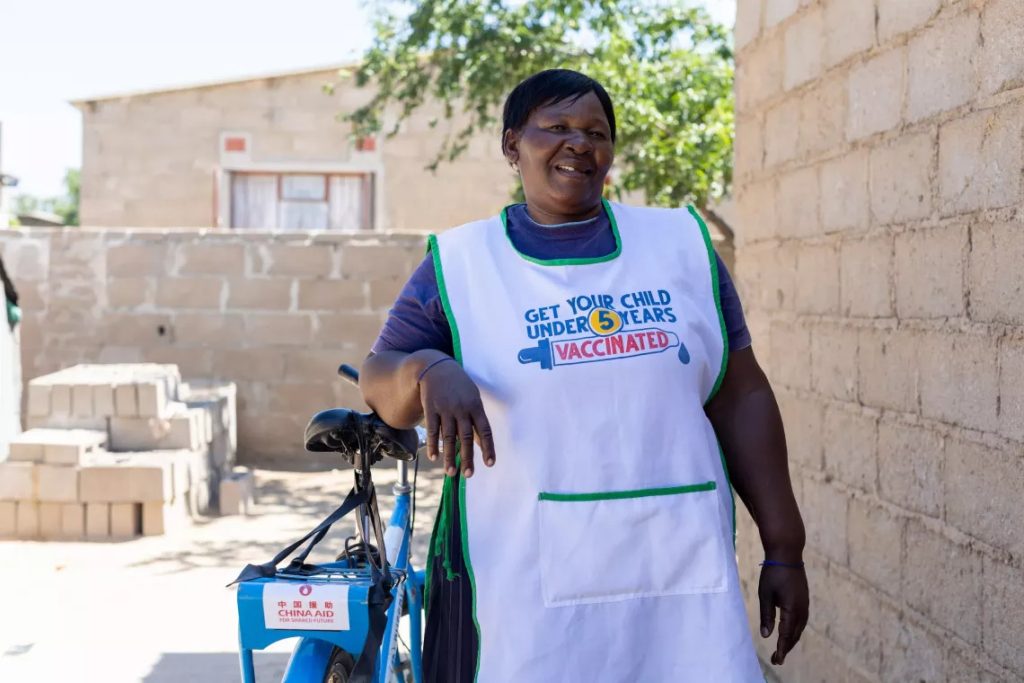
In the arid landscapes of Mangwe and Matobo districts, the sight of a village health worker in her distinctive smock uniform and brown hat, pedaling down dusty paths on a blue bicycle with a China Aid logo, has become a beacon of hope.
For 60-year-old Ottilia Ncube, a village health worker in Mangwe with its scattered villages and homes, this simple mode of transport has revolutionised her ability to bridge the gap and deliver vital healthcare services to her community.
Ottilia’s bicycle is more than just a means of transport — it’s a lifeline.
“Home visits were a nightmare before I got this bicycle. I would walk, but there were areas I simply couldn’t reach,” she says.
“The bicycle is an answer to my prayers.”
Otilla Ncube with her bicycle, distributed by the Ministry of Health and Child Care, with support from UNICEF and China
On a typical day, Otilla packs her maternal and neonatal care equipment and sets off on her bicycle to visit households in the community.
Under a grass-thatched gazebo, she sets up her equipment.
Ncube’s role extends beyond health checkups.
She is also a crucial link in promoting safe water, sanitation and hygiene practices.
During her home visits, she inspects homes and ensures that families are following proper hygiene practices, such as treating and storing drinking water safely.
She also teaches mothers and their children how to properly wash their hands.
“At community level, the village health workers have been trained to identify danger signs in mothers and their newborns and make referrals to the health facility,” explains UNICEF Zimbabwe health specialist Meggie Gidiba.
Reducing child deaths
This crucial support is part of a broader initiative by the Ministry of Health and Child Care, in partnership with UNICEF and funded by the Government of China.
Between 2018 and 2020, 600 bicycles were distributed to village health workers across Matabeleland South and Mashonaland Central provinces.
The goal was to improve access to maternal, newborn, and child health services in these hard-to-reach areas and to enhance the quality and use of these services.
Along with the bicycles, village health workers received kits equipped with essential tools such as respiratory timers, mid-upper arm circumference (MUAC) measuring tapes, weighing scales, thermometers, and medical supplies.
These tools are vital for monitoring the health of pregnant women, newborns and children under five, and for ensuring timely interventions.
The programme is making a crucial contribution to Zimbabwe’s efforts to meet UN Sustainable Development Goal (SDG) 3, which aims to reduce neonatal mortality in all countries to at least 12 per 1,000 live births by 2030.
Zimbabwe still has a significant way to go to reach the Goal. In 2019, neonatal mortality rate stood at 32 deaths per 1,000 live births.
The numbers had not significantly changed since 2010.
Against this background, however, the UNICEF and China’s support to village health workers is paving the way for important progress.
According to the district nursing officer for Mangwe, Ncebile Ngwenya, the programme has already gone a long way in improving access to health care in remote areas.
“We now have good linkages with our communities. We are leaving no one behind,” she says.
Otilla and Juliet Ncube conduct a routine check of Daphne and her daughter Priscilla in a grass thatched gazebo
Community outreach
Another village health worker to receive UNICEF training is Duduzile Ndlovu from Matobo district – the one who visited Sanelle when she was pregnant.
Duduzile was among 3,500 village health workers who received a refresher training in 2021, as part of the China-funded initiative.
This focused on community-based surveillance and home management for mothers, newborns, and children under five.
Midwives and doctors also received on-the-job mentoring and capacity building in basic emergency obstetric and newborn care.
Duduzile says she is now better equipped to engage people in her community, including those previously resistant to modern medicine.
“The training really upgraded my skills. I understood that it is important to avoid home deliveries at all costs,” she emphasises.
Before, the local clinic registered several home deliveries each month, a risky practice that often leads to complications.
“We used to record about four home deliveries a month, but we have been recording none since the training,” says Hazel Moyo, a primary care nurse at Kezi Clinic.
According to Hazel, diarrhoeal diseases are now also managed better.
“Sometimes parents would bring children when it was too late to save the child’s life,” she continues.
“The village health workers didn’t know much about diarrhoea, but they can now identify cases and administer oral rehydration salts.”
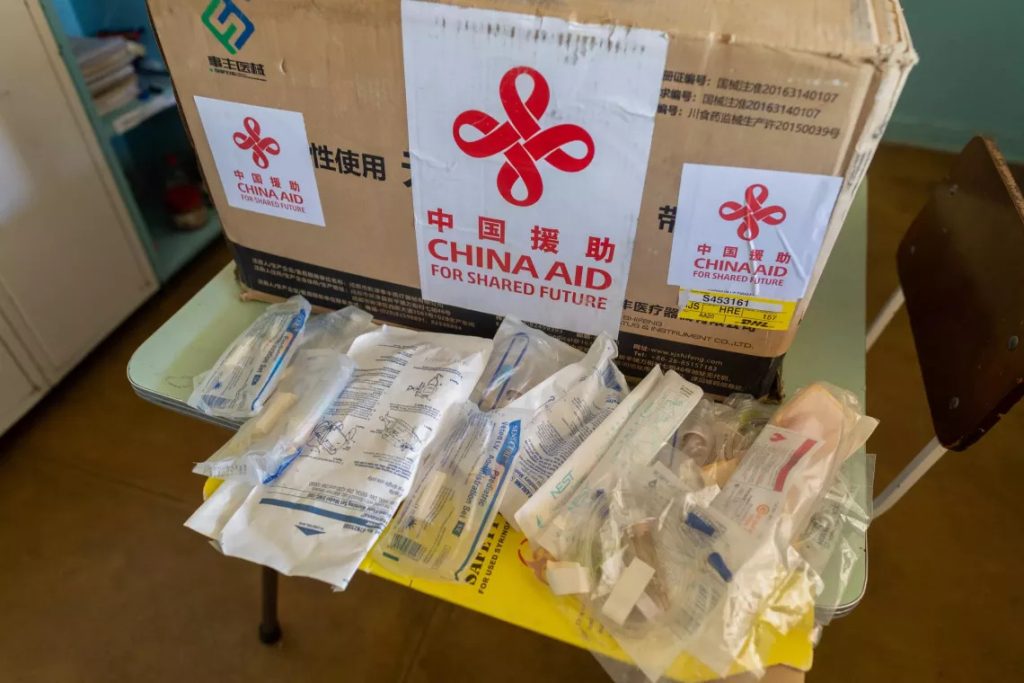
Medical supplies, funded by China, at Embakwe District Clinic in Mangwe District
Support from China
Zimbabwe is one of 22 countries so far across Africa and Asia to receive funding from the Government of China, through CIDCA, for UNICEF programmes for children.
Zhou Ding, China’s ambassador to Zimbabwe, highlights the achievements of the programme.
“Cumulatively, 1,74 million people were reached, including pregnant women, children and families,” he says.
Over 57,000 pregnant women were referred to health facilities, and 447,138 children under five received growth monitoring services.
Additionally, village health workers treated 5,216 children with diarrhoea using oral rehydration salts and zinc in their communities, a significant achievement in preventing child mortality.
“I learned that immunisation helps to ensure a child’s health, and if I don’t come my child could have health problems,” mother Masleen Mabikire explains while her daughter, six-month-old Melina receives a vaccination drop.
The girl looks happily at her mother, her mid-upper-arm circumference standing at healthy 13.5 centimeters, which indicates an appropriate nutritional status.
In Beijing, UNICEF China Chief of Public Partnerships Sae-Ryo Kim stresses that “China has made remarkable progress on children’s issues in the last four decades. It can now support other countries in their development. That’s why UNICEF and the Government of China are working together to support children in more than 20 countries around the world, including Zimbabwe.”
For children like Faith and Melina, this support from UNICEF and China means that they can now look forward to a brighter and healthier future.
Health Resilience Fund strengthens access to primary health care in the most remote places in Zimbabwe
In Matabeleland South Province, the Health Resilience Fund is changing access to primary health care services. We saw many happy faces during a recent media field mission to Gwanda, Umzingwane, and Bulilima Districts with the Ministry of Health and Child Care and the Health Resilience Fund Communication Officer. Local communities expressed gratitude for the strengthened healthcare delivery system, which makes basic essential healthcare services available to all, including those in the most remote areas of the Country.
The Health Resilience Fund is a coordinated effort by the Zimbabwean Government and development and technical partners supporting the Ministry of Health and Child Care in attaining Universal Health Coverage for the people of Zimbabwe.
The Fund is led by the Ministry of Health and Child Care and benefits from financial contributions from the European Union, the Governments of Ireland, the United Kingdom, Gavi, the Vaccine Alliance, and technical support from UNFPA, UNICEF, and the WHO.
The programmes supported by the Health Resilience Fund are implemented by the Ministry of Health and Child Care at national, provincial, district and community levels and by implementing partners.
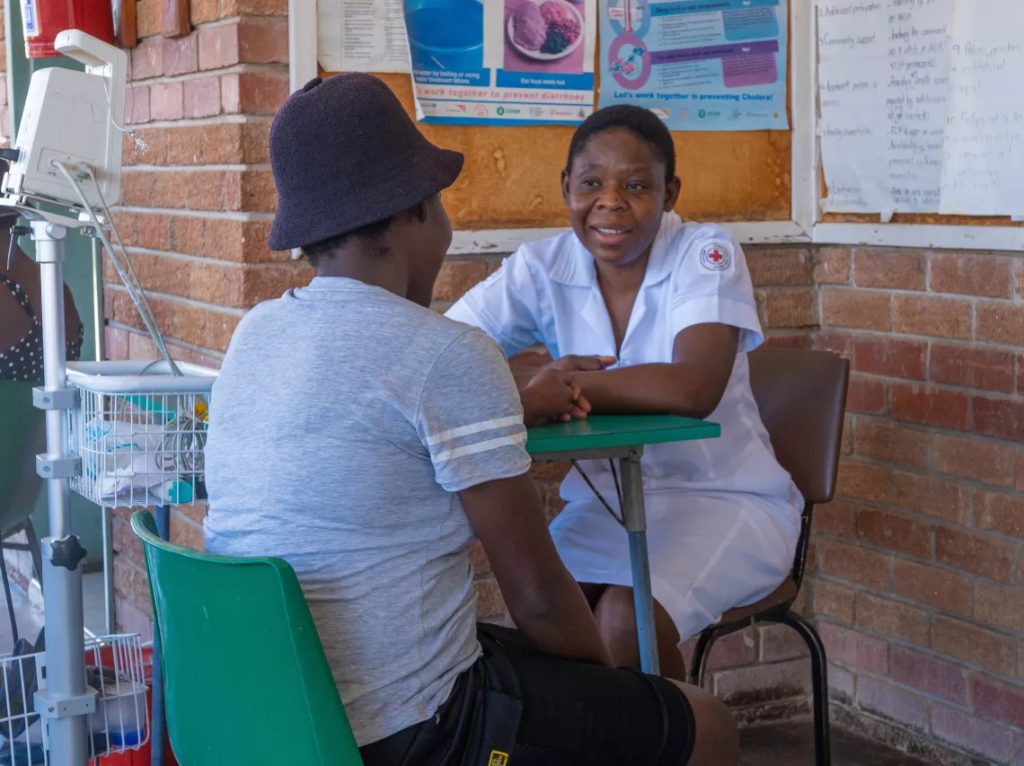
The Health Resilience Fund is about bringing health care close to the people. In the Plumtree District Hospital, a student nurse aide consults a local patient to provide her with the most accurate health services.
The Health Resilience Fund supports the Plumtree District Hospital by training healthcare workers, providing clinical mentorship for doctor-nurse teams, and providing health supplies and medicines.
It functions as a referral hospital for the local health facilities in the area.
Through the support provided at the hospitals and health facilities at the national, provincial, district and local regional levels, the Health Resilience Fund aims to reduce maternal, neonatal and child mortality and teenage pregnancies and to strengthen health systems to tackle current and future health challenges.
The Health Resilience Fund focuses on women, neonates, children under 5, adolescents, youth, and vulnerable populations, including people with disabilities and marginalised populations.
Particular attention goes to the health of adolescent girls, as Zimbabwe faces high levels of early pregnancies.
The Adolescent Pregnancies in Zimbabwe, published recently by the Ministry of Health and Child Care and UNICEF with the support of UNFPA and UNESCO, indicates an adolescent pregnancy prevalence rate in Zimbabwe of 23.7 per cent.
At Plumtree District Hospital, 29 out of the 34 mothers seen at the maternity waiting home on the visit’s day were adolescents under 19.
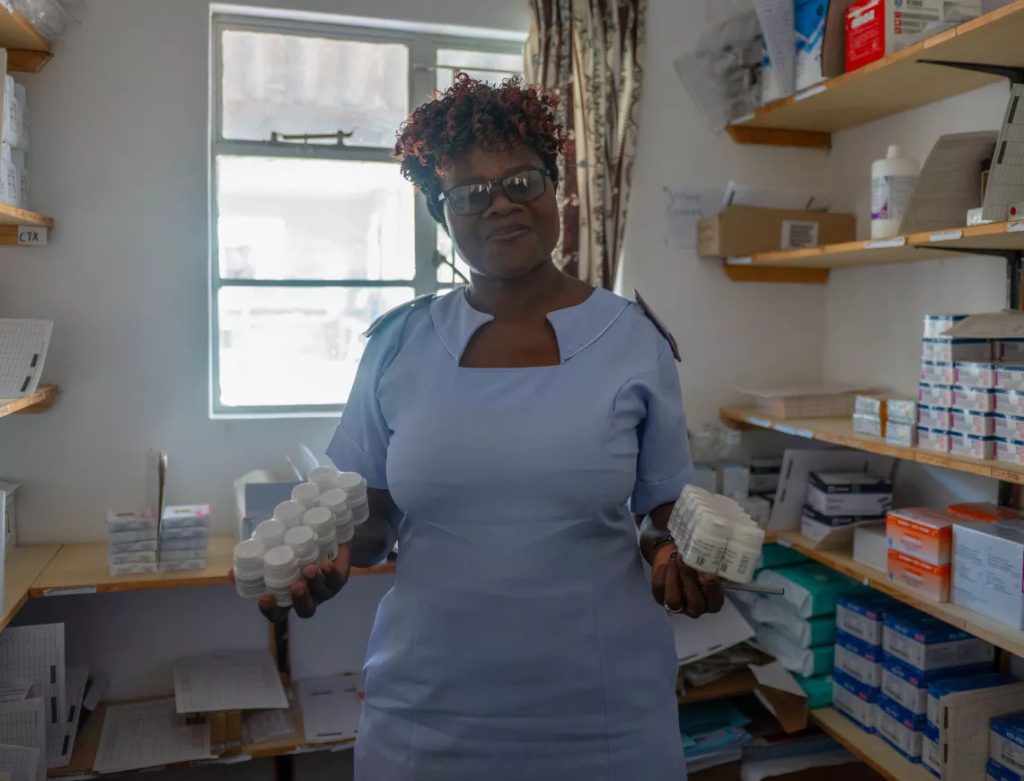
The nurse in charge of one of the health facilities in Umzingwane District proudly showed her pharmacy.
Thanks to the support of the Health Resilience Fund, drug shortages have become rare in her facility. Accessing essential medicines is key to the Health Resilience Fund’s ultimate objective.
This accessibility contributes to ensuring Universal Health Coverage for all Zimbabweans, meaning everyone in Zimbabwe has access to a full range of quality health services without financial hardship.
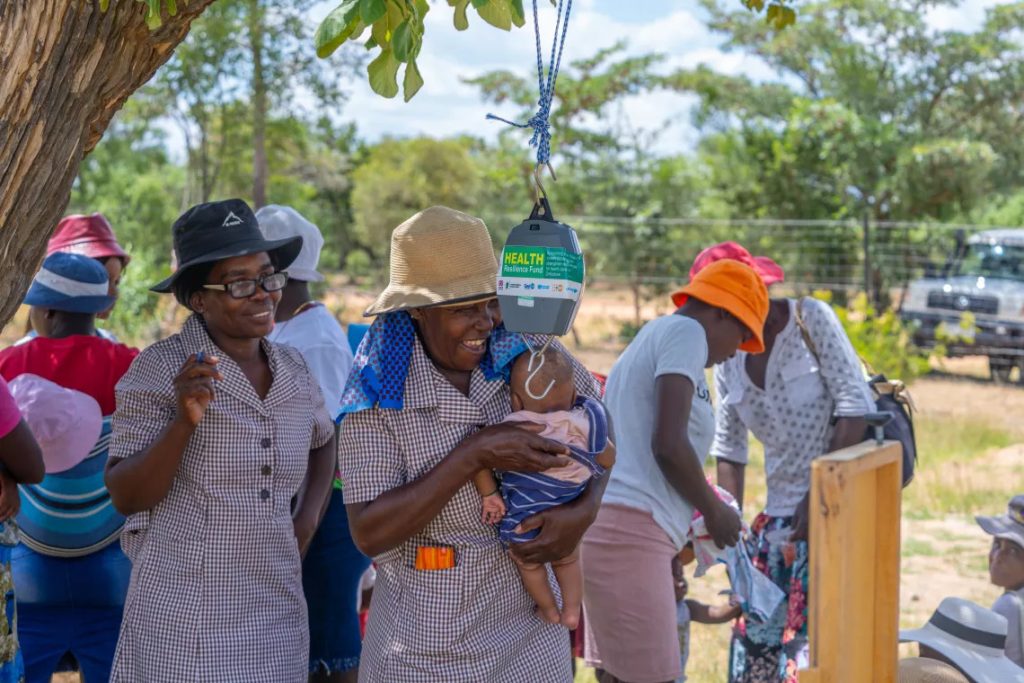
Ensuring Universal Health Coverage implies health services are brought to the people, like here through an outreach activity in Matabeleland South.
To end preventable deaths in maternal, newborn and child health, interventions of the Health Resilience Fund emphasise increased availability, equity and access to essential reproductive maternal, new-born, child and adolescent health and nutrition services, including through promoting community participation and bringing health services as close as possible to the people’s everyday environment.
It took us more than two hours driving from Bulawayo, primarily over dirt roads, to reach one of the outreach activities set up by the District Health Office in a remote area of Gwanda District.
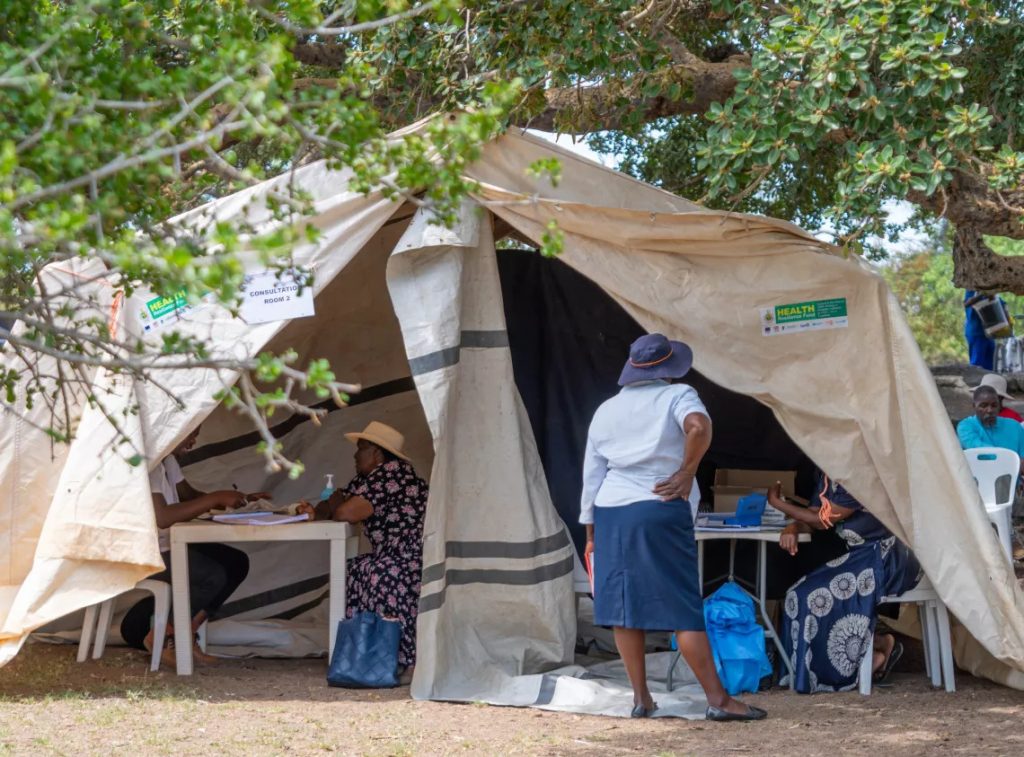
Various health interventions were offered to the local communities with the support of the Health Resilience Fund.
Interventions included routine vaccination, vitamin A supplementation and growth control for children, family planning, a wide range of outpatients’ department services, postnatal care (PNC), HIV testing, counselling and treatment, eye-testing, COVID 19 self-testing, visual inspection with acetic acid and camera (VIAC) to prevent cervical cancer in women aged 30-50 years old, and drugs distribution.
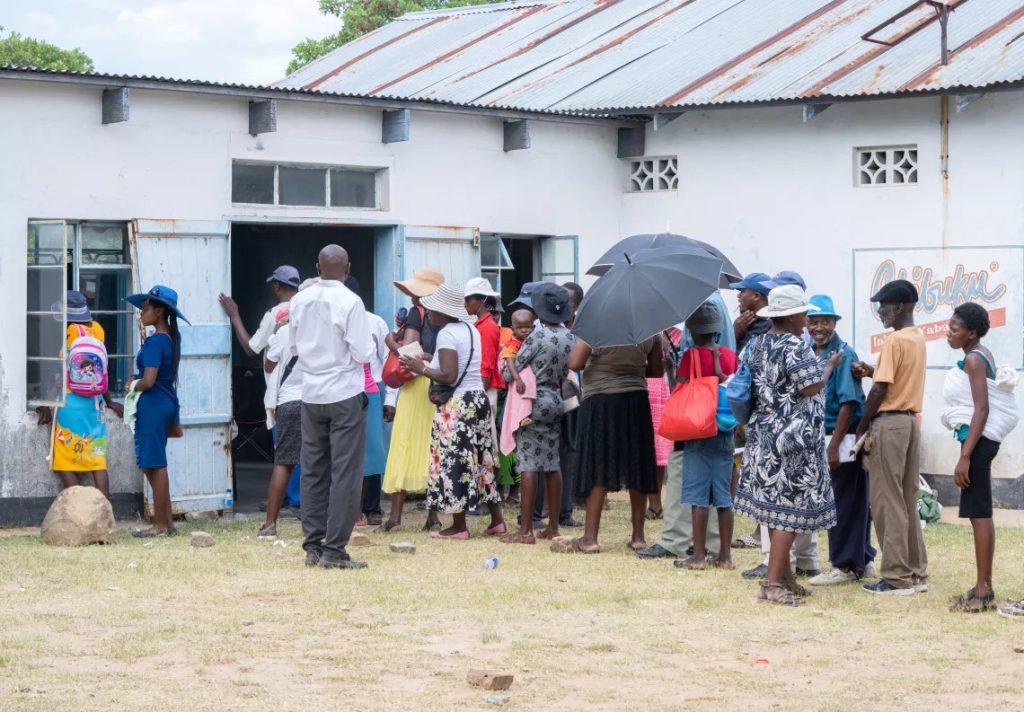
The outreach activities mobilised a large group of people across all age groups from the surrounding communities, most of whom do not have any other opportunity to access essential health services.
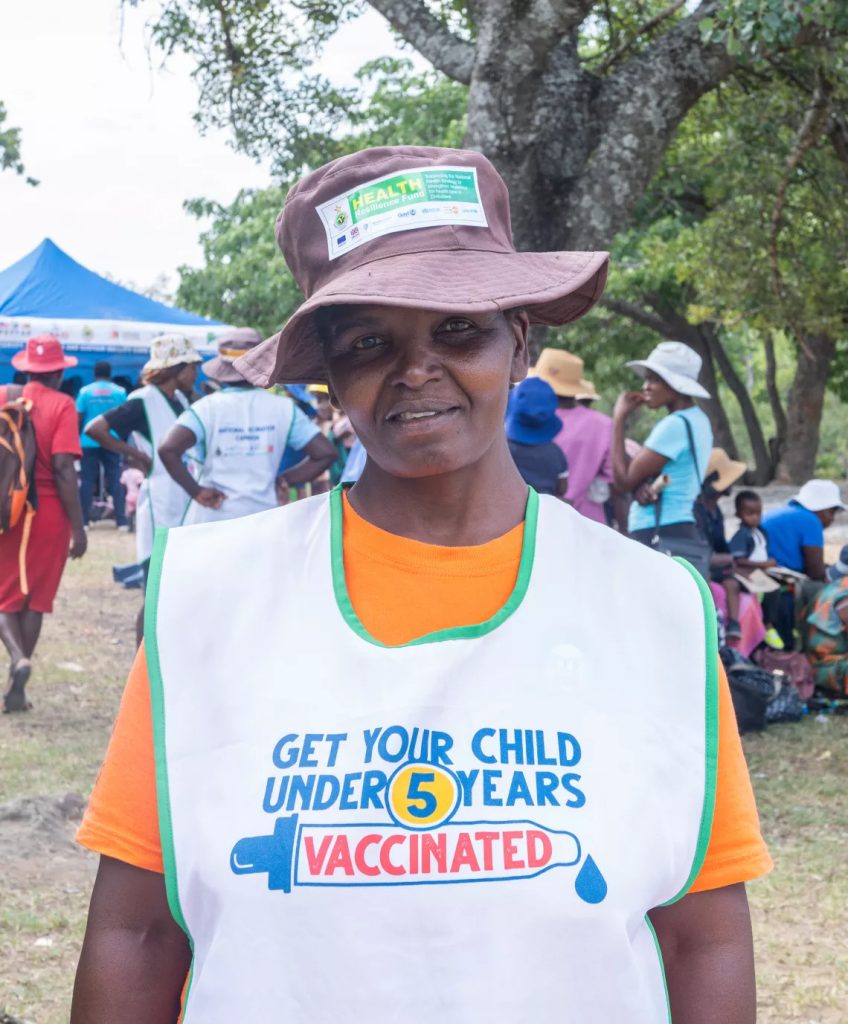
Village Health Workers are vital to linking people in need with health care services. They have the best understanding of the local communities.
They are crucial in mobilising mothers to bring their small children for preventive and curative health services to the local health facilities and outreach activities.
Village Health Workers have been instrumental in reducing the maternal mortality ratio from a peak of 960 in 2010 to 462 per 100,000 live births in 2019 and of the infant and under-five mortality rate from 67 and 94 in 2010 to 47 and 65 per 1,000 live births in 2019.
Although medical professionals warn about risks, DIY midwifery remains alive and well in a country where affordable and accessible institutional options continue to dwindle
(Linda Mujuru/Global Press Journal)
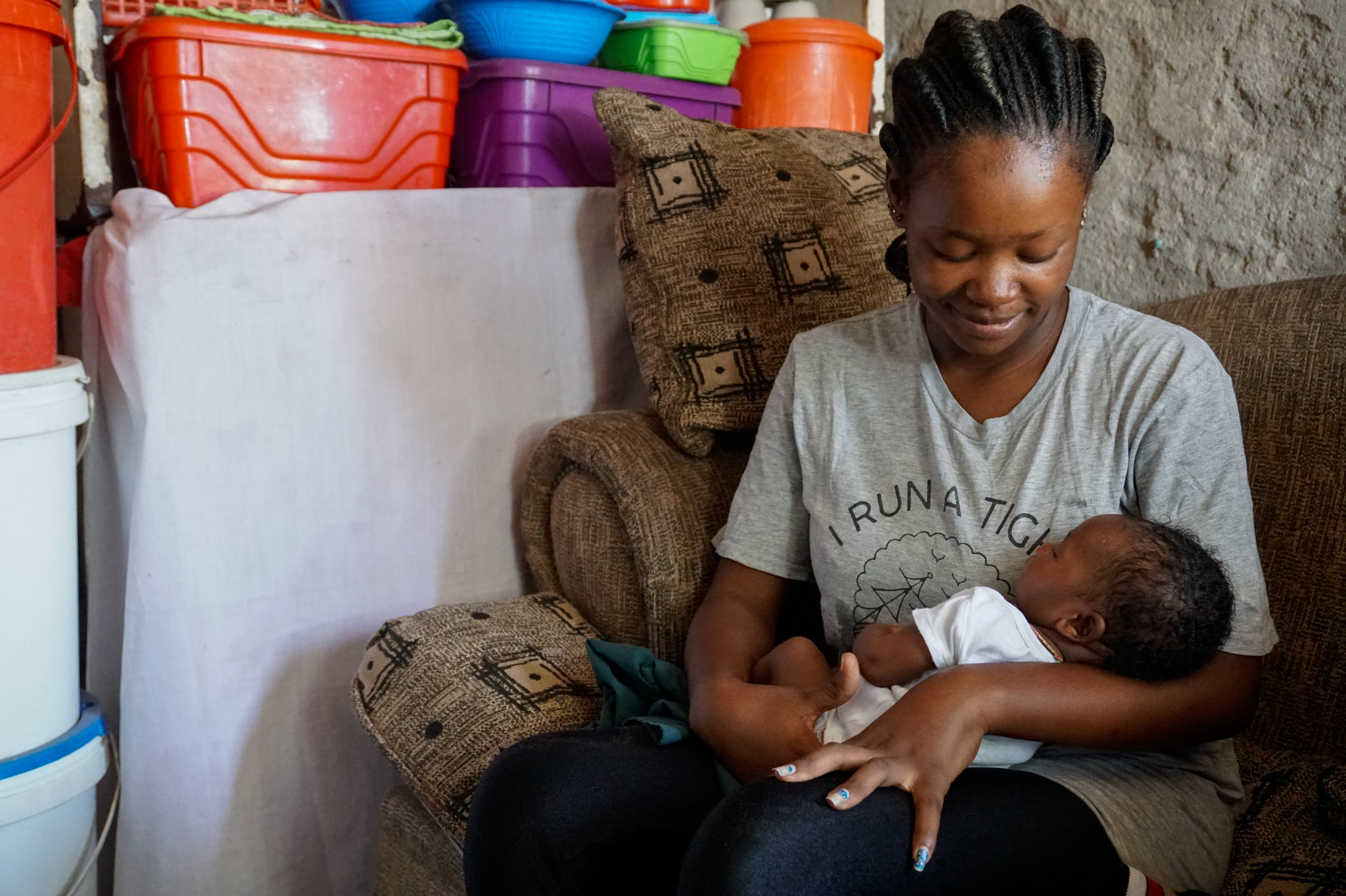
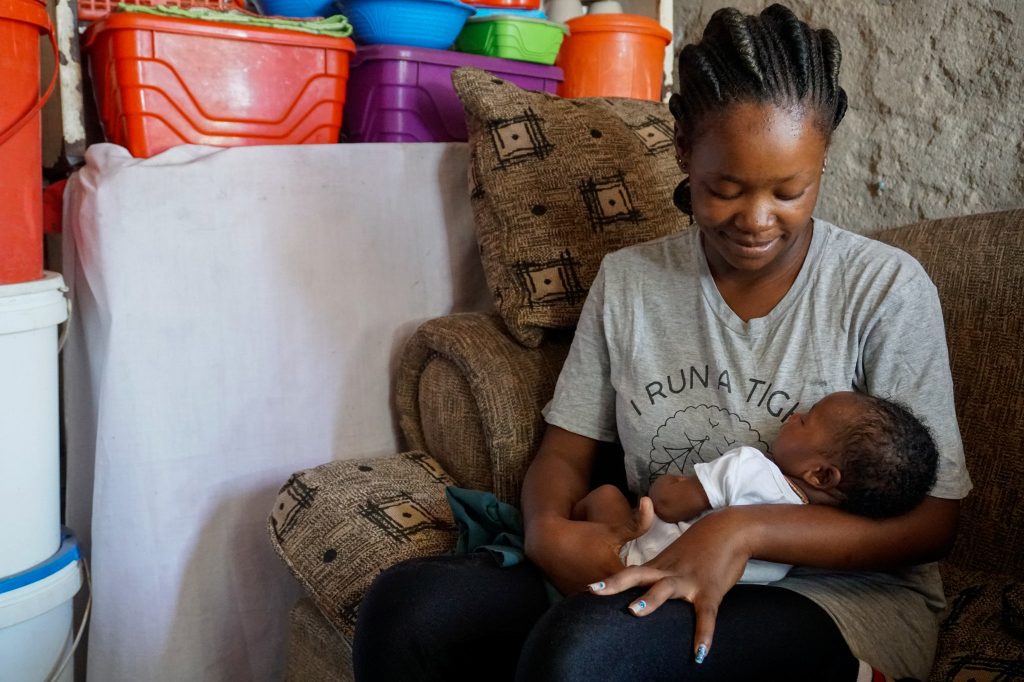
Tatenda Mangwanya and her baby, Nqobile, at their home in Hopley, Harare, Zimbabwe. She gave birth with the assistance of Apolonia Takaedza, a self-trained midwife who runs an informal birth center at her home.
HARARE, ZIMBABWE — In the high-density suburb of Hopley, Tatenda Mangwanya, 16, admires her 2-week-old baby girl to whom she gave birth with the assistance of a self-trained midwife.
She stands by her decision to give birth at home, which she says was the safest for her baby, whom she named Nqobile, a Ndebele name meaning “victor.”
“I was registered at a local clinic in the neighboring suburb of Highfield about 10 kilometres from here, but I was transferred to [the hospital] located farther away from my home because I was underage,” Mangwanya explains.
In Zimbabwe, local health clinics employ midwives who assist women with natural births. But women with riskier pregnancies — such as those who are underage and pregnant for the first time — are advised to give birth at a hospital.
“I would go to the hospital for the usual monthly checkups and hear so many stories about women getting operated on unnecessarily and ill-treated by nurses that I was scared,” Mangwanya says.
(Linda Mujuru/Global Press Journal)
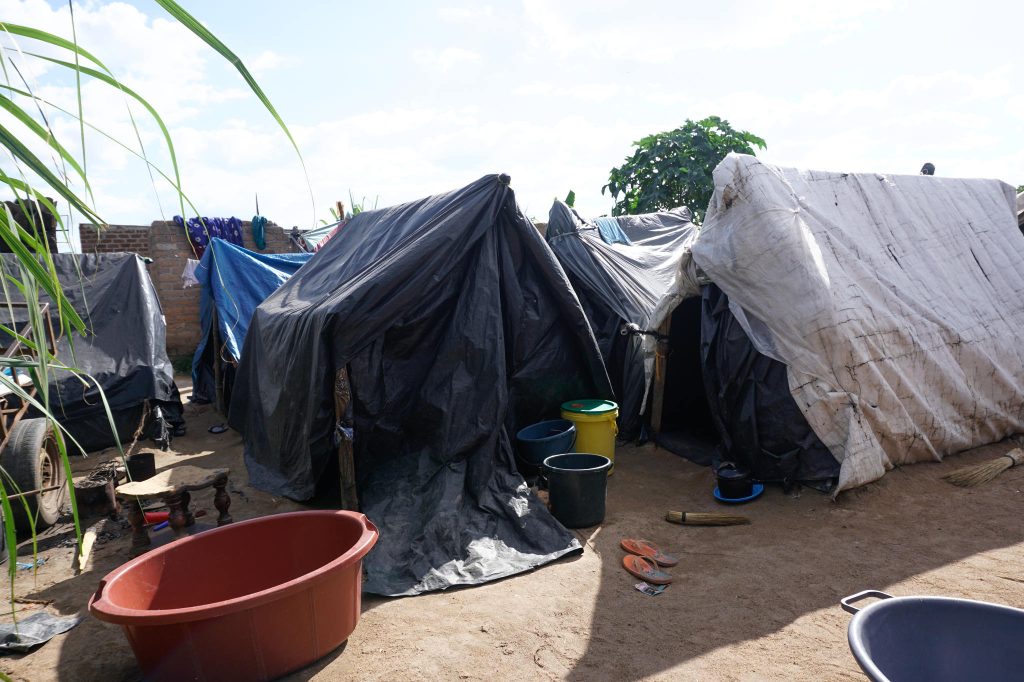
A shrine where pregnant mothers wait to give birth in Hopley, Harare, Zimbabwe.
When it was time to give birth, Mangwanya decided to seek assistance from a local spiritual healer.
Many reasons lead Zimbabwean women like her to give birth in their homes or at church shrines, including the cost of public clinics, long distances to health care facilities and a general belief that they are afforded better service at these sites than at hospitals.
However, medical experts interviewed for this article say such births are often conducted under unsafe conditions by untrained people, putting both the mother and baby at risk.
At 363 deaths per 100,000 live births, Zimbabwe’s maternal death rate is considered moderate to high, according to a classification system developed by the World Health Organization.
Another 32 of Africa’s 54 countries also have moderate-to-high maternal death rates, according to a 2023 report by Zimbabwe Coalition on Debt and Development, a nongovernmental organization that advocates for citizen involvement in public policy.
Zimbabwe is far from achieving the United Nations’ sustainable development goal of lowering the maternal death rate to 70 or fewer per 100,000 live births by 2030 — especially in light of the health sector’s brain drain.
Zimbabwe is currently grappling with a deficit of nearly 30,000 health professionals. Almost 4,500 medical professionals have left the country since 2020, mostly seeking better-paid employment abroad.
Apolonia Takaedza, who helped Mangwanya deliver her baby, practices midwifery out of her house in Hopley.
In Zimbabwe’s public hospitals, it’s common for pregnant women to be asked to provide such supplies as gloves and cotton wool at the time of delivery — and that tends to push people away, she says.
“Some don’t have money or even proper clothing for the baby. … When one is giving birth at the hospital, they are required to buy [these items that] they cannot afford,” she says.
Free maternity care used to be available in Zimbabwe through a program tied to the World Bank, but lack of supplies has led hospitals to increasingly charge patients.
Takaedza adds that some women have beliefs that are not recognized at hospitals, including that vaginal growths lead to infertility or miscarriage, and they prefer to be treated by someone who takes these concerns seriously. She also mentions fear of cesarean sections.
“Some choose to give birth at home to avoid being operated. At home, they are guaranteed a normal delivery.”
Takaedza charges US$25 for her midwife service, the same fee charged for a natural delivery at the nearest local clinic. “It’s always negotiable and payable in installments, and that’s why some prefer my service,” she says.
But she has faced difficult situations which may have been better handled at a hospital.
“A friend who also assists women to give birth came with a woman to me after failing to help her deliver. The baby had already died in the womb,” Takaedza says.
(Linda Mujuru/Global Press Journal)
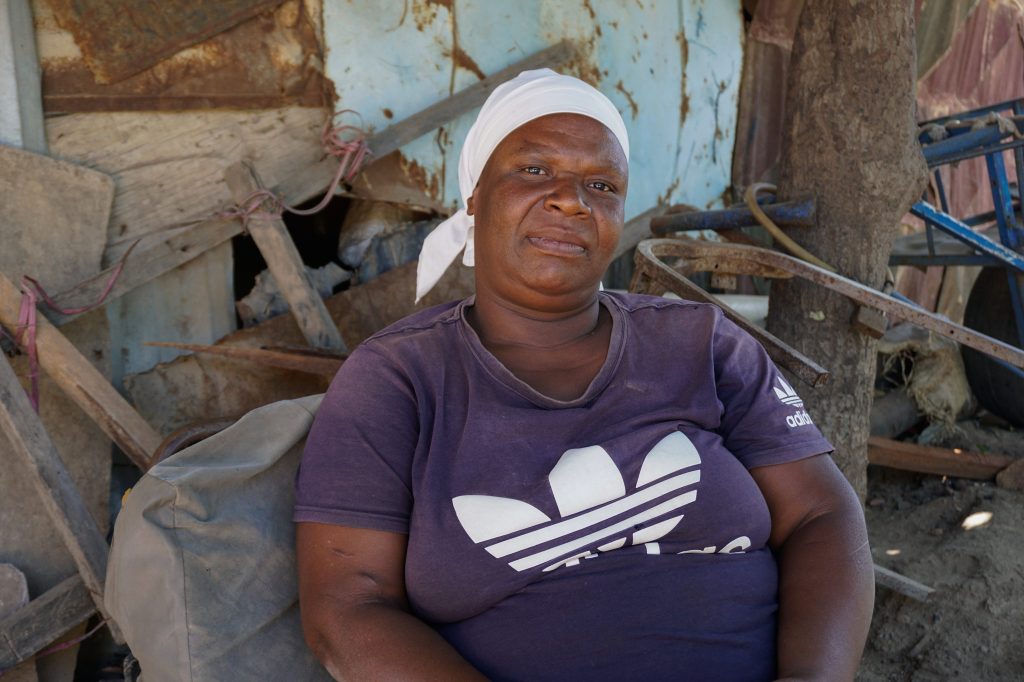
Apolonia Takaedza, who runs an informal birth center at her house, poses for a portrait in Hopley, Harare, Zimbabwe.
To guard against such occurrences, Takaedza says, she always does an assessment before agreeing to help someone deliver.
“Some have children in breach positions and some situations need the hospital.”
Dr. Mugove Madziyire, an obstetrician, says there are many risks associated with home deliveries.
“Any person supervising labor and conducting deliveries must be trained and certified by a responsible authority.”
He adds that labor and delivery can present complications during and after birth.
“There are also medications to be administered to both mother and baby at the time of delivery which prevent complications, such as excessive bleeding from the mother, bleeding disorders in the baby, and eye infections,” he says.
Donald Mujiri, spokesperson for the Ministry of Health and Child Care, says registered nurses with a minimum of three years of experience are eligible for a free, one-year training in midwifery offered through the ministry.
These trained midwives are eligible for employment in local clinics that perform natural births.
A few kilometers from Takaedza’s residence, Hilda, a member of an apostolic sect, also assists women giving childbirth from her home. Unlike Takaedza, Hilda — who asked to be identified only by her first name as her sect doesn’t allow members to speak to the press — has a waiting shelter for such women; they usually stay at her house from about seven months of pregnancy.
Inside Hilda’s makeshift delivery room, walled with plastic and lined with grass, a young mother smiles as she holds her newborn baby boy, delivered the previous night.
Other pregnant women, also members of the same church, gather around her, congratulating her as they each wait for the day they will deliver.
(Linda Mujuru/Global Press Journal)
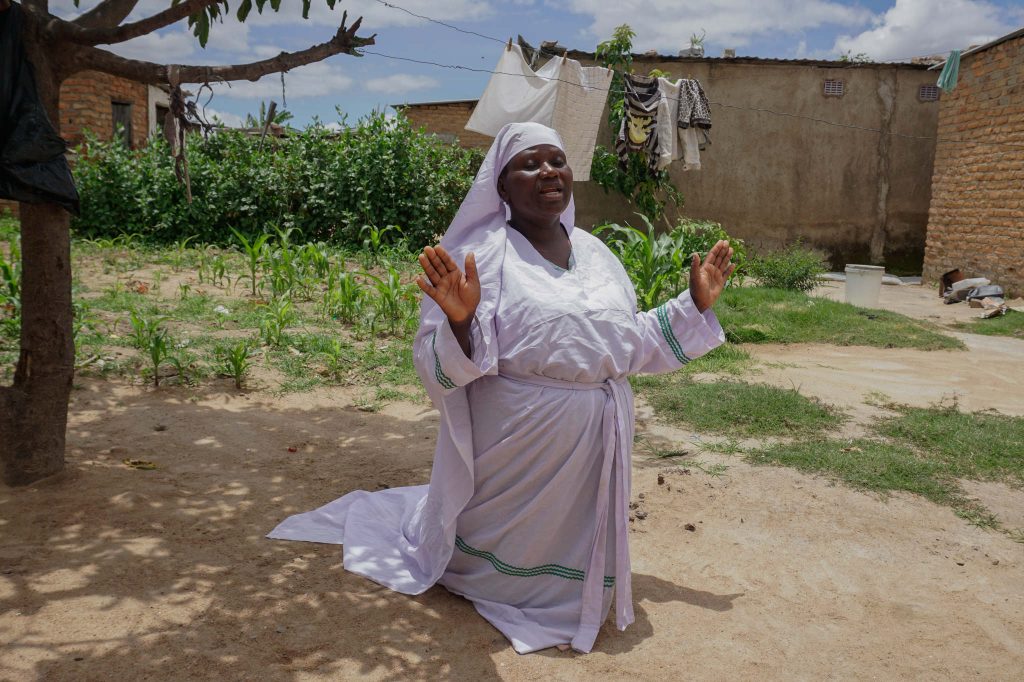
Beatrice Zindora, who also runs a birth center at her house, prays at her home in Hopley, Harare, Zimbabwe
Outside, smaller makeshift rooms house 24 other pregnant women, waiting to deliver their babies.
Hilda does not have any medical qualifications — only her practical experience.
The 51-year-old says she started to help women from her church give birth when she was 36, after experiencing a “calling” to do this kind of work.
“I have given assistance to over 400 women. As a rule in our church, we do not go to the hospital for deliveries,” she says.
Hilda says that in 15 years of practice, she has never once had to rush a woman to a hospital. “We do face challenges, but I always get a voice that speaks to me and instructs me on how to deal with each and every situation,” she says.
She adds she also doesn’t use gloves when performing the procedures, “as per church doctrine.” Members of this church are known for distrusting medical practice and vaccines.
Dr. Lucia Gondongwe, deputy director of reproductive health at the Ministry of Health and Child Care, says the ministry upholds institutional deliveries as the standard of care.
“This enables women to get a comprehensive package of care required for childbirth and the newborn,” she says, adding that it ensures both the mother and baby get emergency assistance if it’s needed.
But Edinah Masiyiwa, executive director of Women’s Action Group, an NGO that advocates for women’s rights, says that institutional health care has only worsened during the broader economic decline.
“We are in a situation where the public system is requesting women to bring everything needed for their care — things like pads, methylated spirit, cord clamps,” she says.
“If there is need for a transfusion, women have to buy the blood, which is more than 100 [US] dollars. If there is need for antibiotics, they also have to buy.”
Madziyire, the obstetrician, agrees the charges are an issue.
“Making the facilities fully equipped and stocked will encourage women to utilize them. Staff must be well motivated so that they handle patients well.”
Beatrice Zindora, a resident of Hopley, says she assists women in dire situations to deliver their babies.
Many are not registered at local clinics and hospitals, and some do not have baby supplies, such as clothes and diapers.
——————————————————————————————————————-
“We are in a situation where the public system is requesting women to bring everything needed for their care — things like pads, methylated spirit, cord clamps.”
EDINAH MASIYIWA, WOMEN’S ACTION GROUP
——————————————————————————————————————-
“I do this for free and out of my desire to help women,” Zindora says.
A few days earlier, she says, a woman came who could not walk or talk because she was in so much pain. The baby was coming legs first.
“I had to insert my hands inside the woman to bring the baby outside. The baby did not cry for a moment and I was panicking, but later he cried. After the birth of the child, I encouraged them to visit the hospital.”
A year ago, Magnus Kundanai gave birth at a church shrine because it was too late for her to go to the nearest clinic and she could not afford the transport — despite the fact that she had already paid US$25 in advance to give birth at the clinic, which took her three months to raise.
“Such an amount is hard to earn.”
Madziyire suggests that the Ministry of Health and Child Care train and certify the attendants at the shrines and also inspect and certify the independent facilities used for delivery.
(Linda Mujuru/Global Press Journal)
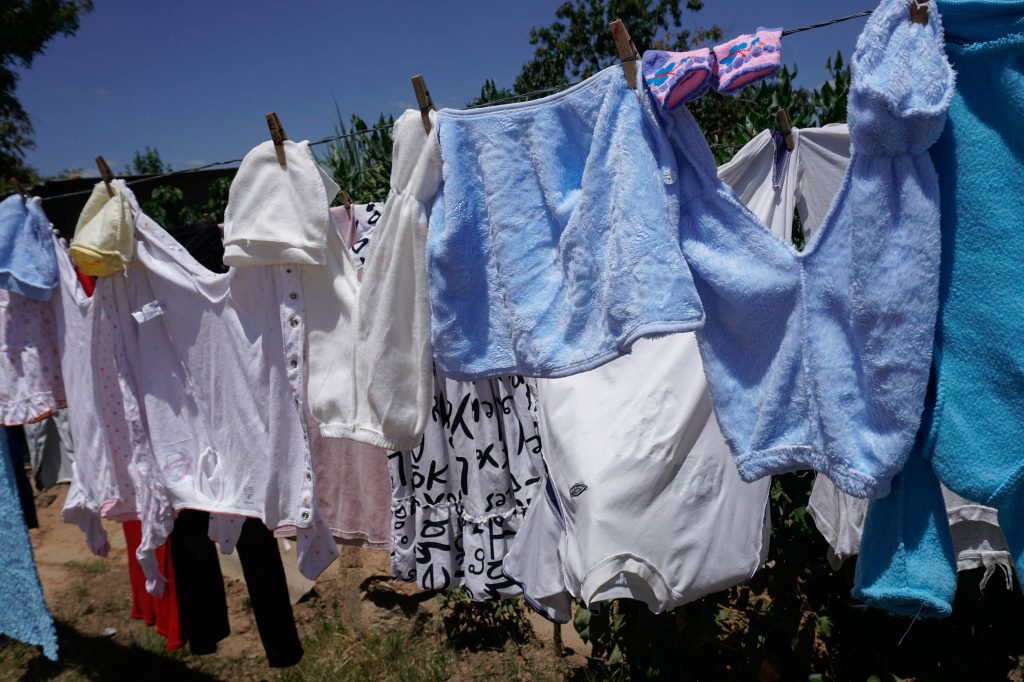
Clothes for Tatenda Mangwanya’s baby hang on a line at her house in Hopley, Harare, Zimbabwe
Gondongwe says the ministry is working to expand health facilities.
“It is the ministry’s desire that everyone is within a 10-kilometre radius of a health facility, and it has been working towards the achievement of this mission. However, there are some hard-to-reach communities which had not realized this target.”
But for young mothers like Mangwanya, home births are still preferable.
“After being treated well at the shrine, if the health care system does not improve, I am likely to return to Takaedza for assistance,” she says with a smile.











Recent Comments