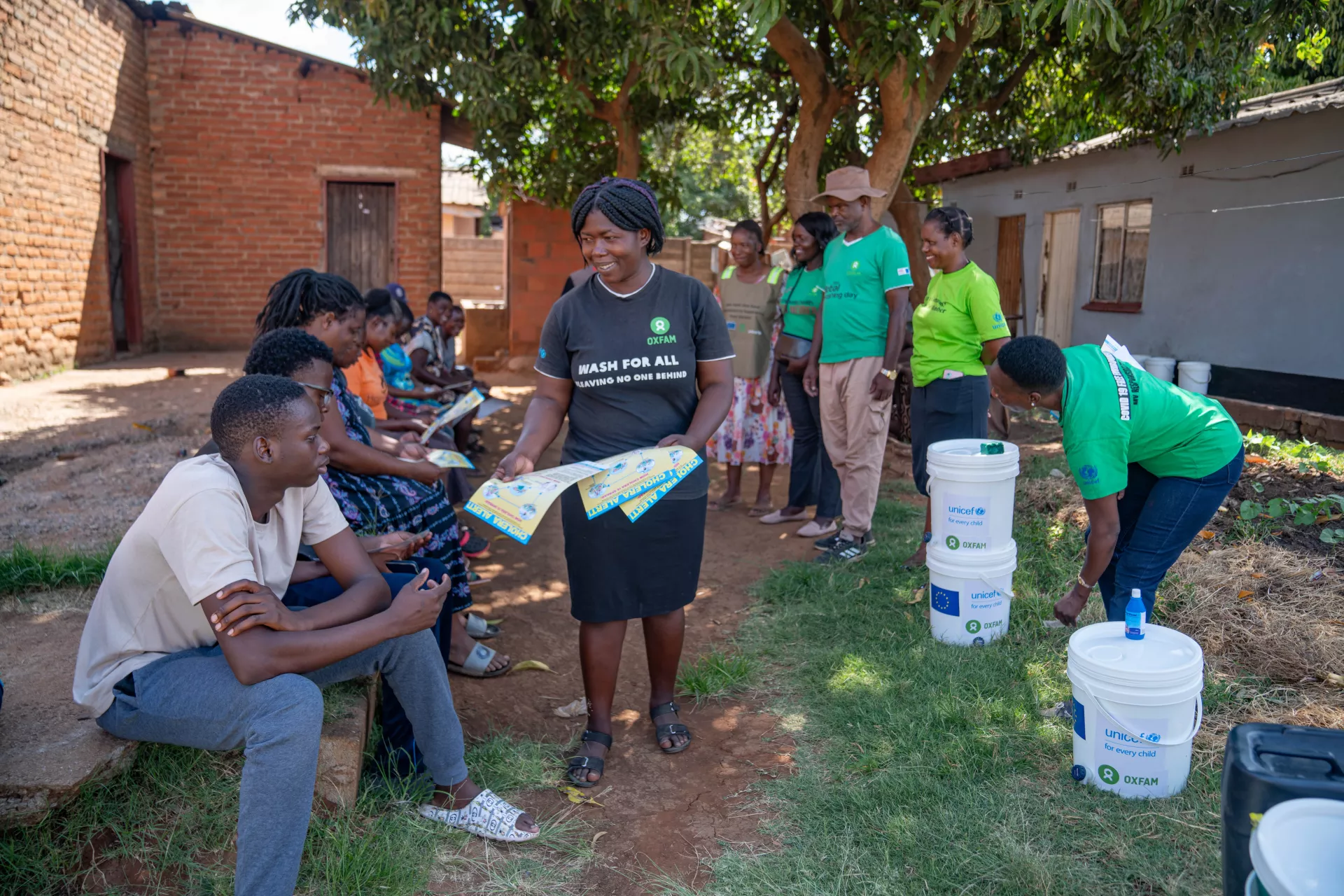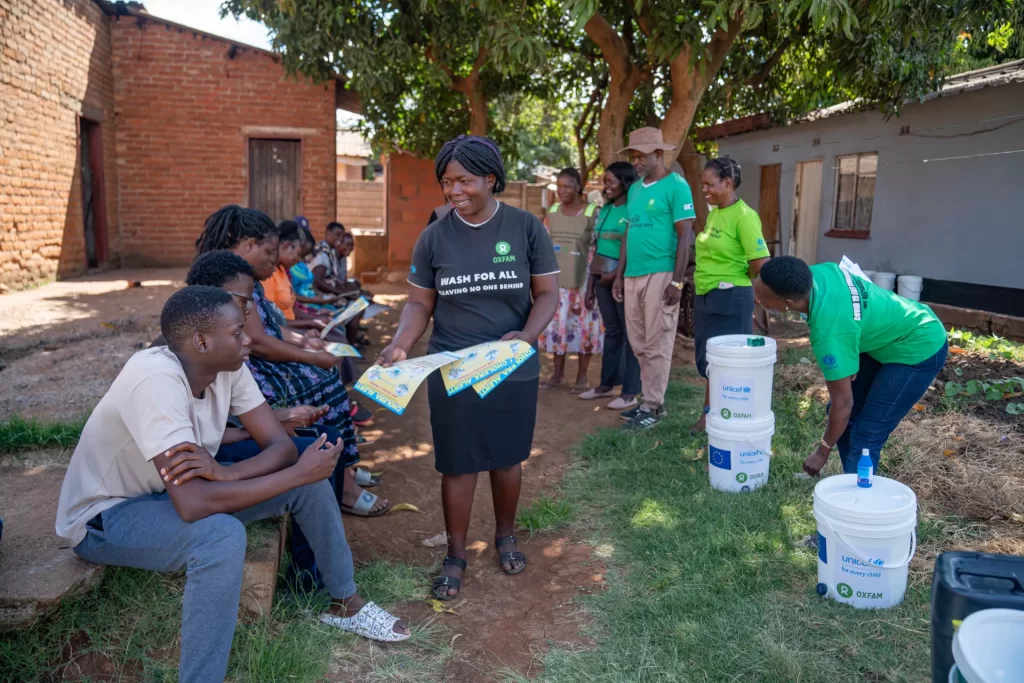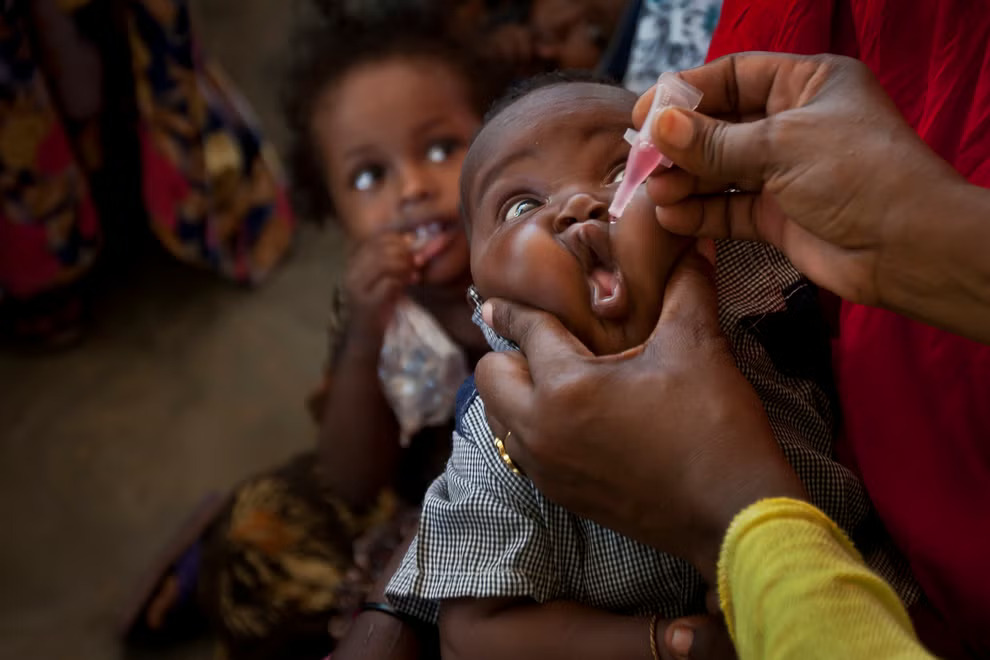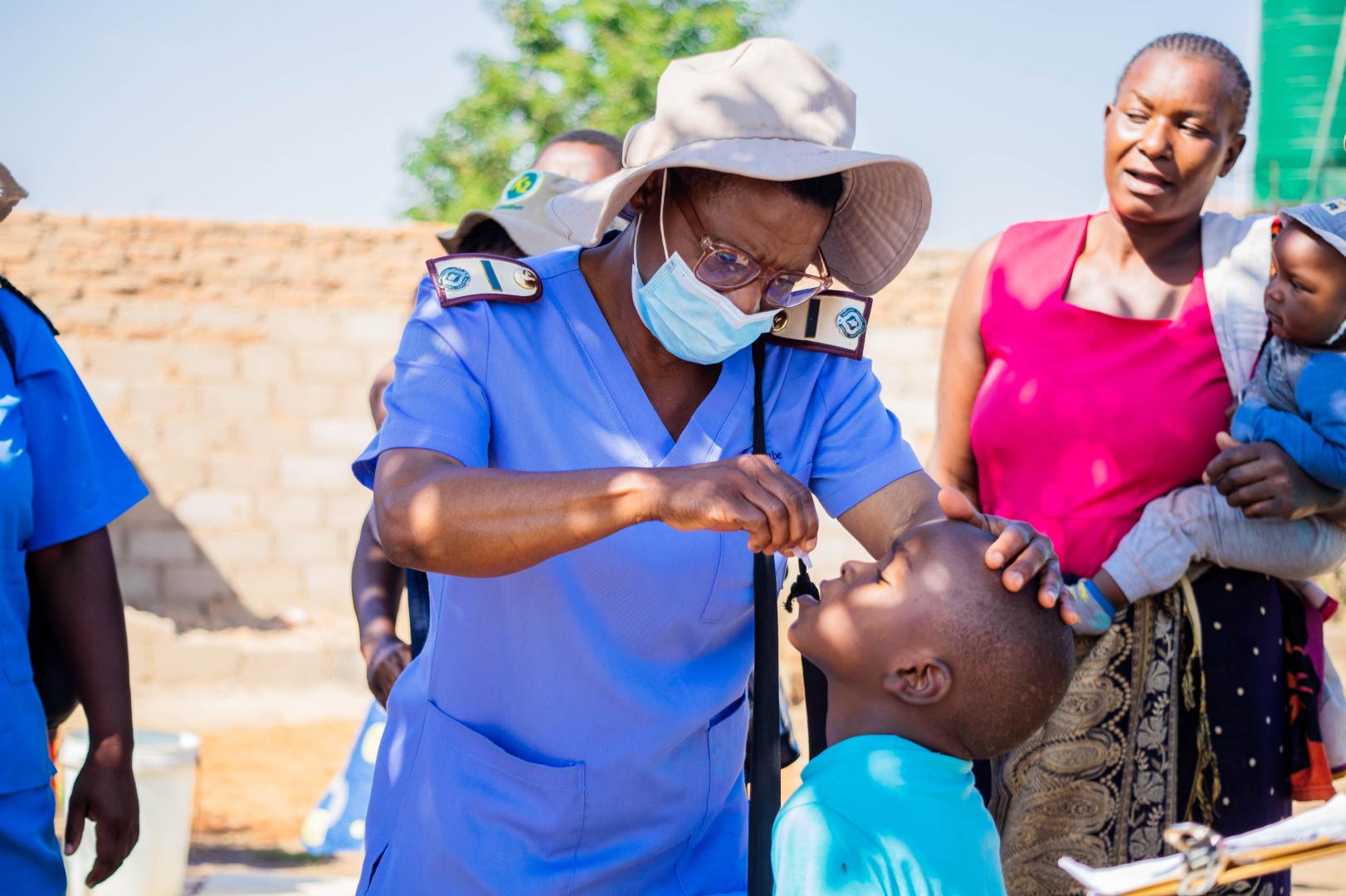
Faith leaders in Zimbabwe set aside differences to fight cholera and polio

on April 8, 2024 in Cholera, News, Polio

“If we can convince people to partake in prayers, then surely we can convince them to change their mindsets regarding these diseases.”

MUTARE, Zimbabwe – A traditional healer since 1985, Casemore Darare is all too familiar with medicinal herbs. His services are highly sought after in his neighbourhood of Dora Dombo, a rural area on the outskirts of Mutare city.

But regarding cholera or polio, the 54-year-old has a robust solution: he encourages his community and faith members to strictly get vaccinated, maintain good hygiene, and seek modern medicines at the local clinic when symptoms show.

Casemore Darare, a traditional healer, addresses a meeting of interfaith leaders held in Mutare to discuss cholera mitigation measures

“That’s the most effective solution. There is nothing better, trust me,” he said to loud cheers from participants at a March meeting to develop community-led solutions to address the behavioural and social drivers of cholera and polio.

Darare, the provincial secretary of the Zimbabwe National Traditional Healers Association for Manicaland Province, speaks from experience.

A recent outbreak of cholera that struck him forced Darare to change his thinking about how best to tackle the disease.

After showing symptoms of cholera, Darare said he resorted to what he knew best – traditional medicine.

“I dug up all the herbs I thought could help and mixed some concoctions. I did all the spiritual things I thought would ease my condition. It only got worse,” he said.

Eventually, neighbours put him in a wheelbarrow and rushed him to the nearest clinic, where he received medication from nurses.

“I survived to tell the story. Many people who tried the traditional herbs and spiritual ways were not so fortunate,” said Darare, who enrolled in essential community health training after the ordeal.

Darare is still a traditional healer. But he has also taken up another task of becoming a community champion to encourage people to rely on modern medicines, safe water, sanitation, and hygiene practices to fight diseases such as cholera and polio.

He also encourages fellow traditional healers in his area to immediately refer cholera patients to a medical facility for treatment.

In March, Darare was among the interfaith leaders who gathered in Mutare city to collaborate on how best to fight cholera and polio.

Organised by Apostolic Women Empowerment Trust (AWET) and supported by UNICEF, the gathering brought together traditional healers, leaders of various Christian denominations, and the Muslim faith to collaborate and devise ways to use their influence to drive behaviour change.

Despite their different spiritual doctrines, they agreed on one overarching message of promoting the uptake of vaccines and other modern medicines and practices to combat cholera and polio.

“Cholera and polio do not discriminate. They affect all of us the same. So, we must work together to deliver the message to the people we lead. Some behaviours must change, and we should lead that campaign,” said Sheik Ishmail Duwa, president of the Supreme Council of Islamic Affairs in Zimbabwe.

The meeting timing was critical as the country grapples with the twin outbreaks of cholera and polio, often affecting poor sanitation and hygiene areas.

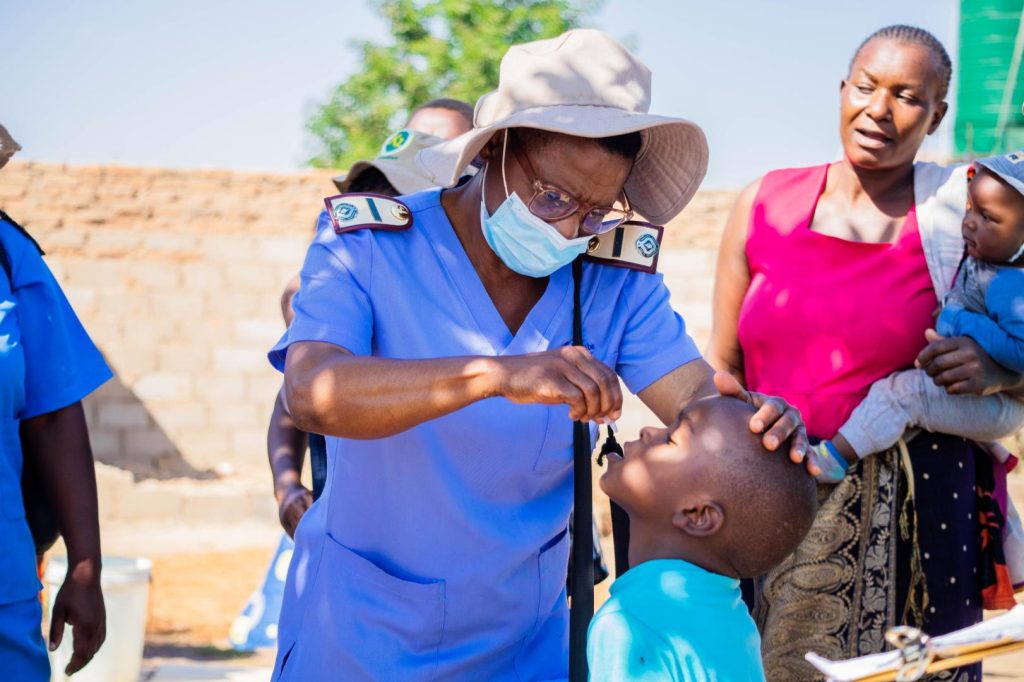
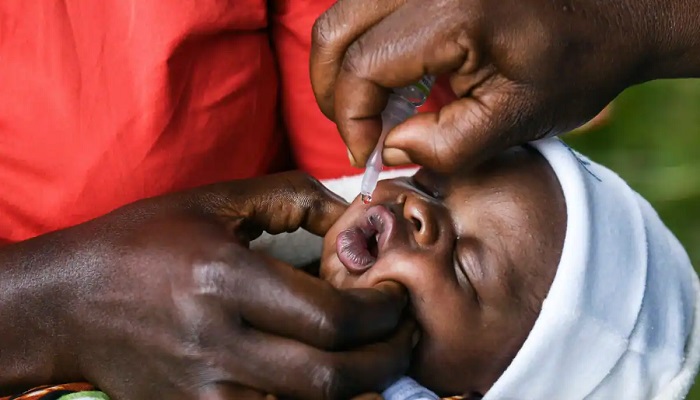
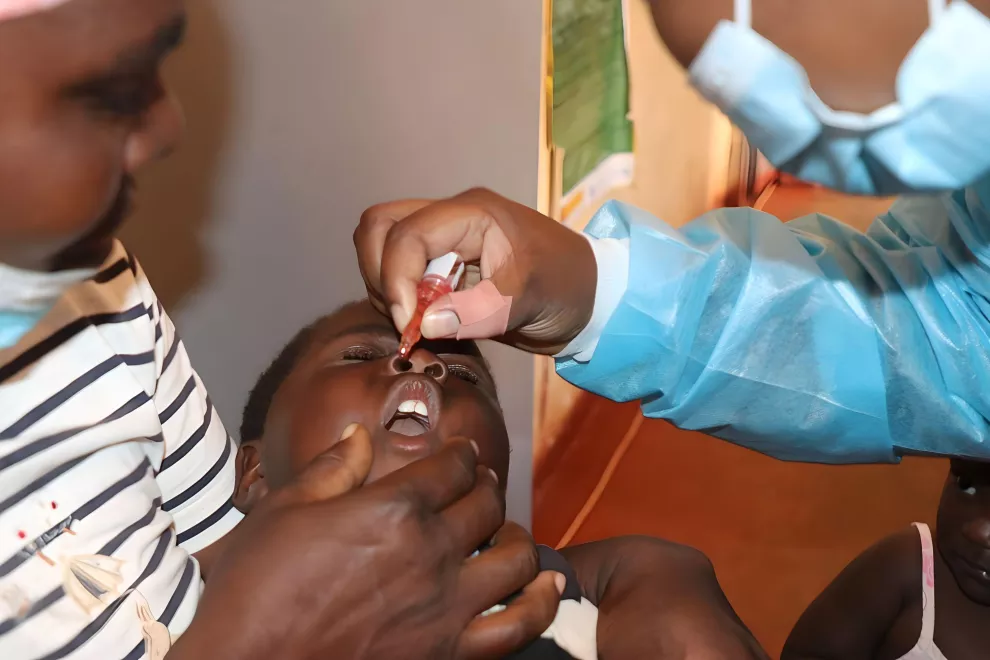
The meeting also came as Zimbabwe prepared to roll out a second round of mass polio vaccination of children aged ten years and below following a successful first round of polio vaccinations targeting 4.6 million children.

Leaders of apostolic sects present at the meeting pledged to campaign amongst their members to allow children to get vaccinated and for people to embrace modern medicines.

The desire among the interfaith leaders to work together was palpable during the meeting.

They sometimes broke into various small interfaith groups to discuss the causes of cholera and polio, the main drivers, such as open gatherings with no sanitation and hygiene and traditional funeral rites, and how best to address the situation.

Interfaith leaders recently in Mutare to discuss cholera mitigation measures

A Roman Catholic sister stood beside a female traditional healer and Muslim youth leader in one group. A Pentecostal pastor took notes on a flip chart as they engaged in rigorous debate to develop a common position.

Representatives of the groups then presented their findings to a plenary before drawing up a joint action plan that put vaccination, modern medicines and safe water, sanitation, and hygiene practices at the centre of the fight against cholera and polio.

“This kind of interfaith dialogue helps build trust. By learning from each other, we remove the barriers that stop us from collaborating. Cholera and polio don’t need us to follow the old ways of doing things; we must be dynamic and assist the authorities,” said Brian Nemakanga, a leader with the hugely popular Johanne Marange Mafararikwa apostolic sect.

Belinda Magida, a traditional healer, added, “Together, we can influence millions of people in all the hard-to-reach places where we have followers. If we can convince people to partake in prayers and believe in God, we can surely convince them to change their mindsets regarding these diseases. Let’s take the information to the people; let’s positively use our influence. It is a duty we owe to the nation as responsible leaders. Education is key, and knowledge is power.”

UNICEF and WHO, in collaboration with the Ministry of Health and Child Care and funded by the Government of Japan, the multi-donor Health Resilient Fund (comprising contributions from the UK Government, Irish Aid, European Union, and Gavi), and with implementation support from the Apostolic Women Empowerment Trust (AWET), are jointly spearheading diverse Risk Communication and Community Engagement (RCCE) initiatives to address multi-hazards, encompassing efforts against polio and cholera outbreaks.

SOURCE:: Unicef via link https://www.unicef.org/zimbabwe/stories/faith-leaders-zimbabwe-set-aside-differences-fight-cholera-and-polio

40 percent of TB patients in Zimbabwe unaware of their status

on April 8, 2024 in News

MORE than 40 percent of TB patients do not know their status in Zimbabwe as the country continues its fight against the disease which remains a threat even in other parts of the world.

Zimbabwe is still part of the 30 high burden countries and drug-resistant TB remains a threat to achieving set goals towards eradicating the disease.

The Union TB Trust executive director Dr Ronald Ncube said partnerships with the Ministry of Health and Child Care had resulted in the training of community workers who played a key role in screening TB countrywide.

He said to date there were 1 000 community health workers who are going around communities mobilizing members of the public to get screened and also referring anyone with symptoms to clinics for early treatment.

“As Union Zimbabwe Trust we have different programmes like Kunda Nqobi TB that have been implemented after we got US$15 million to help the Ministry in the fight against TB. We wish to extend our gratitude to community health workers as we have a network of almost 1000 workers who educate communities, refer those with symptoms to clinics and do much of mobilizing to ensure everyone knows about the disease,” said Dr Ncube.

“As a country, we have yearly targets that we set in line with WHO and in 2022 it was estimated that we have over 30 000 people with TB, but we managed to find over 18 000 and we need to screen and put them into treatment. This means we have another 15 000 or so people yet to be screened and put on treatment which means work must be done in our communities to ensure everyone with TB starts treatment.”

The Community Working Group on Health director Mr Itai Rusike said although TB is one of the world’s leading Infectious disease killers, Zimbabwe has the lifesaving tools to prevent, diagnose, and treat TB.

He said breaking down barriers and inequities that cause millions of people to suffer and die from TB every year will help the country continue posting more wins in the fight.

“Inequity is the biggest barrier to ending TB, often those living in poverty or with environmental risk factors, can face catastrophic costs to access diagnosis and treatment. Scaling up progress in the fight against TB is crucial to win the battle against this disease. We must bring focused testing, treatment and care services to the people who most need them,” he said.

 “When we fight TB, we fight other deadly diseases and prepare for the next pandemic. The same lab workers, diagnostic machines, supply chains, primary health care facilities, disease surveillance capabilities, and community health workers that fight TB prepare the world for future health threats.”

SOURCE:: The Chronicle via link https://www.chronicle.co.zw/40-percent-of-tb-patients-in-zimbabwe-unaware-of-their-status/

Zim Govt Calls for Vaccination of Children As Polio Resurfaces

on March 2, 2024 in News, Polio

Zimbabwean health authorities have urged parents to vaccinate their children against polio.

This comes after two healthy children tested positive for the virus in a routine environmental surveillance.

The World Health Organization (WHO) and the Ministry of Health and Child Care said that the children who are below five years old, did not show any signs or symptoms of polio.

In an interview, WHO Polio Eradication Initiative co-ordinator,Sadiq Umar said the two polio positive children could still infect others who are not immunized.

“This is evidence that we must do a campaign to make sure other children are not affected,” said Umar.

Umar said the environmental samples were taken from a sewer system near the children’s houses and tested positive for polio type 2, which was eradicated globally in 2015.

He said the virus was likely a result of vaccine-derived polio, which occurs when the weakened virus used in oral polio vaccines mutates and regains the ability to cause disease.

Umar emphasized the urgent need to launch a comprehensive vaccination campaign to protect other children from falling victim to vaccine-derived polio.

He stressed that if infected children come into contact with those who have low vaccine uptake or remain unvaccinated, there is a significant risk of paralysis development in the latter group.

According to WHO, approximately 90 per cent of children infected with polio will not display any signs or symptoms. Only 10 per cent will experience paralysis and other related symptoms.

However, even children who test positive for polio without exhibiting symptoms can reduce the shedding of the virus over time through natural processes and a robust immune response.

However, children with compromised immune systems due to conditions such as HIV, cancer, or malnutrition are at a higher risk of paralysis.

Furthermore, Umar stressed the essentiality of vaccinating even children already paralyzed by polio. He highlighted a specific case in Sanyati where a child was paralyzed by polio type 2.

“It is crucial to protect against other polio types as well. The child in question had only received one dose of the vaccine throughout their life, emphasising the ongoing need for vaccination,” he said.

Polio is an extremely infectious disease caused by a virus that invades the nervous system, potentially resulting in complete paralysis within a matter of hours.

The virus primarily spreads through person-to-person contact, often through contaminated water or food. Initial symptoms include fever, fatigue, headache, vomiting, stiffness of the neck, and pain in the limbs.

Approximately 1 in 200 infections lead to irreversible paralysis, with 5-10% of paralyzed individuals succumbing to the disease when their breathing muscles become immobilized.

Umar also said there is a polio vaccination campaign currently running in Zimbabwe, and urged the public to vaccinate their children.

“Vaccination is the only way to stop polio and protect children from this crippling disease,” he said.

SOURCE:: 263chat via link https://www.263chat.com/zimbabwe-faces-polio-threat/

Community health promoters in Zim drive cholera behaviour change campaign

on March 2, 2024 in Cholera, News

To avoid complacency and cholera outbreak recurrence, Community Health Promoters encourage safe water, sanitation and hygiene practices

Chitungwiza, Zimbabwe – Many people in Chitungwiza town’s St Mary’s suburb have received the cholera vaccine, in large part thanks to mobilisation efforts by community health promoters such as Ellen Nhambura.

But, even as infections show signs of receding, Nhambura and her team are still moving from house to house to keep people safe.

“We managed to get people to accept the vaccine despite pockets of resistance. Our mission is to teach them to continue practising healthy behaviour after getting vaccinated. The vaccination period is a critical moment because people may relapse into thinking that the vaccine is a replacement for safe and healthy behaviour,” said the 39-year-old who has been a community health promoter for three years.

The Ministry of Health and Child Care, in partnership with UNICEF and the World Health Organisation (WHO), launched a vaccination campaign against cholera on January 29.

The campaign targeted 2.3 million people.

According to the Ministry of Health and Child Care, 2,099,497 people had been inoculated as of February 20, 2024, which signals broad acceptance of the Oral Cholera Vaccine and the success of the campaign.

But vaccination is only part of the response by the government and its partners such as UNICEF.

At the vaccination campaign’s launch, Health and Child Care minister Dr Douglas Mombeshora and UNICEF country representative Dr Tajudeen Oyewale warned against post-vaccination complacency.

They emphasised that while vaccines work, they are not a replacement for safe water, sanitation and hygiene practices that are key to eradicating conditions that cause cholera.

Social and behaviour change campaigns driven by health promoters underpin the efforts to adequately prevent a recurrence of waterborne disease outbreaks.

This involves health promoters such as Nhambura fanning out across communities to raise awareness for people to change their attitudes towards water, sanitation and hygiene issues and share knowledge on effective practices to keep cholera at bay.

On a recent day, Nhambura joined about a dozen other health promoters to traverse the length and breadth of St Mary’s, one of the suburbs affected by the cholera outbreak.

One used a loud hailer to broadcast messages.

They carried and distributed leaflets on the streets and stopped at vegetable markets, shopping centres and bus termini to discuss water, sanitation and hygiene practices necessary to prevent the spread of cholera.

In one street, a group of women and men trooped out of their houses with their children to interact with Nhambura’s team.

Because the area lacks reliable running water, the health promoters emphasised the need for residents to fetch water from safe sources, keep it in clean containers and treat it with water purification tablets or by boiling it before drinking.

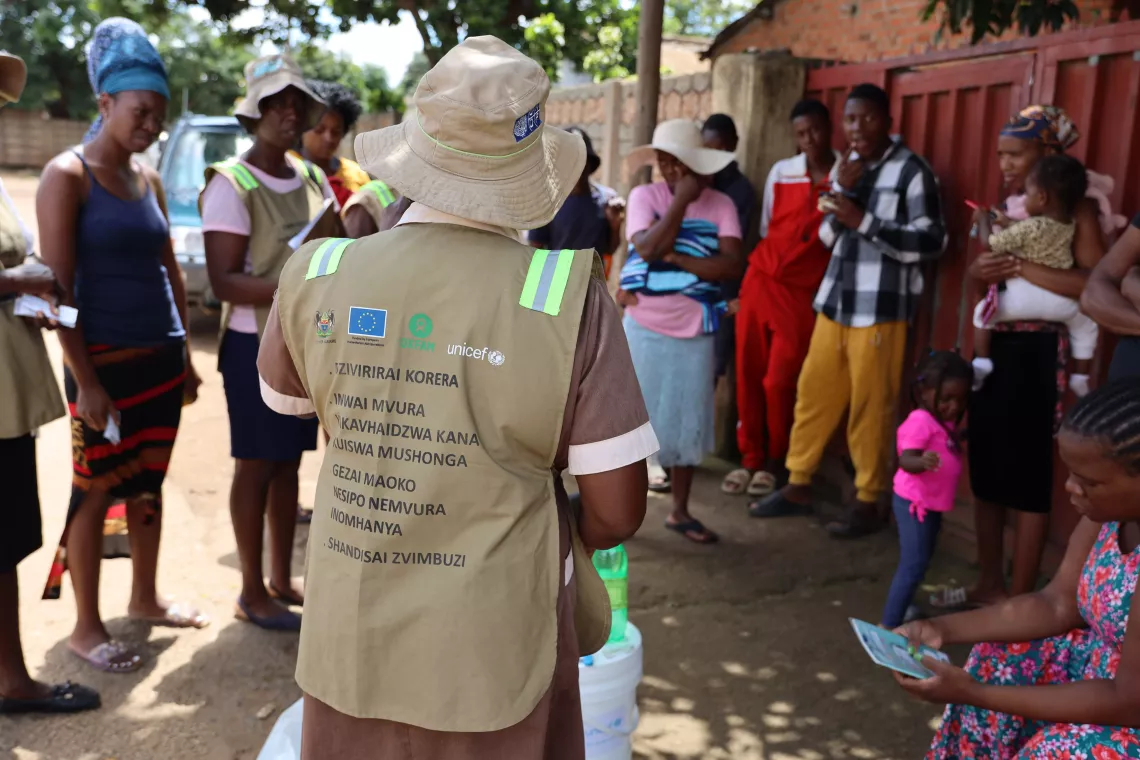
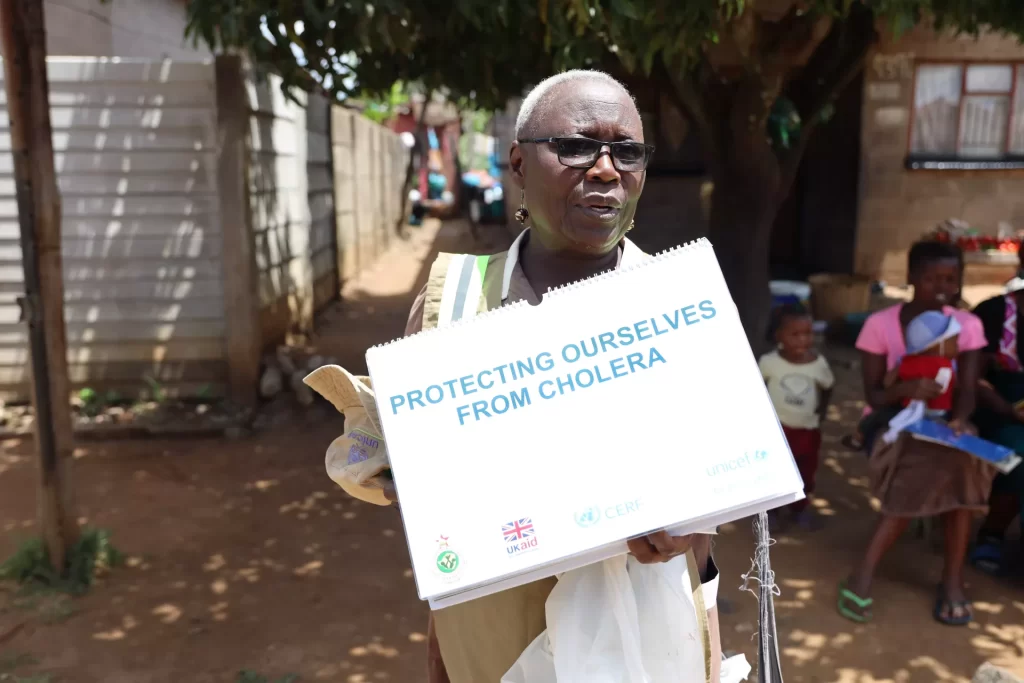
Residents listened attentively and asked questions as Nhambura used a flip chart with messages and illustrations on water treatment and storage, toilet and household hygiene, safe food handling, refuse management, oral rehydration and the importance of seeking treatment early.

“I know you are vaccinated, but for a permanent solution, please do these things we are teaching each other here,” said Nhambura, going through pages of the flip chart laden with colourful images of water, sanitation, and hygiene.

Paidamoyo Mhandu (27), one of the residents, said she ensured she and her three-year-old daughter were vaccinated when mobile vaccination teams moved around the area.

She said witnessing some fellow residents falling sick or dying from the disease, as well as the encouragement from health promoters, motivated her to get inoculated.

“But I was no longer treating our drinking water; I thought it was no longer necessary since we had been vaccinated. These health promoters opened my eyes,” she said, reading a flier on cholera prevention.

Community Health Promoters are a vital cog in the health delivery system because of their interpersonal links with communities, said Gertrude Zhakata, the Sister-in-Charge at the St Mary’s Cholera Treatment Centre, where two tents provided by UNICEF have ten beds each to cater for cholera patients.

“These campaigns would not be successful without the assistance of community health promoters. They are the people on the ground; they live within the communities they serve; so, people trust their word. They are a vital bridge between us and the people,” said Zhakata.

She said the health promoters undergo regular refresher courses to keep them updated on disease surveillance and control trends.

The dedication to saving lives beyond the vaccination campaign is palpable as Nhambura and her team move around the suburb wearing sun hats or carrying umbrellas to shield themselves from the searing heat.

She is part of a team of 25 community health promoters who collaborate with the Ministry of Health and Child Care and Oxfam, a partner of UNICEF in Chitungwiza.

They usually leave their homes around 8am to make rounds in the suburbs.

They often return home late in the afternoon after walking between 10 and 15 kilometres and reaching about 200 households daily.

“Yes, it seems like a tough job. But we are a dedicated group, and we know the importance of this work, especially for women and children, because they are the most vulnerable. We do our best to help them stay safe,” said Nhambura.

According to authorities, the door-to-door campaigns have reached over 300,000 people in Chitungwiza town alone.

In Chitungwiza, like other areas across the country, community health promoters are part of a wider more comprehensive social behaviour change campaign that includes radio programmes, road shows, water point committee training and the establishment and promotion of school health clubs.

UNICEF’s cholera response is funded by multiple donors, including the Centres for Disease Control and Prevention (CDC); the European Civil Protection and Humanitarian Aid Operations (ECHO); the Health Resilience Fund (HRF), a Zimbabwean pooled fund supported by the Governments of Ireland, the United Kingdom, the European Union, and GAVI, the Vaccine Alliance; Japan; the UN Central Emergency Response Fund (CERF) and UNICEF Global Humanitarian Funding, and with in-kind support from private sector partners such as Alliance Media & JCDecaux for digital billboards, and Cash-In-Kind logistics support for commodities from United Parcel Service (UPS) Foundation.

SOURCE:: UNICEF via link https://www.unicef.org/zimbabwe/stories/community-health-promoters-zimbabwe-drive-cholera-behaviour-change-campaign

Rare mutation forces Zim to start emergency polio vaccination drive

on February 22, 2024 in News, Polio

Zimbabwe began an emergency campaign to inoculate more than 4 million children against polio on Tuesday after health authorities detected three cases caused by the rare mutation of the weakened virus used in oral vaccines, including a 10-year-old girl who was paralysed in January.

The health ministry said laboratory tests from samples collected from sewage sites in several areas of the capital, Harare, late last year showed the presence of a mutated polio virus that originated in an oral vaccine used in the global eradication effort.

In rare instances, the live polio virus in vaccines can mutate into a form capable of sparking new outbreaks, especially in places with poor sanitation and low vaccination levels.

The number of polio cases globally has dropped by more than 99% since the global effort to wipe out the disease led by the World Health Organization and others began in 1988.

But the majority of children being paralyzed by polio these days are being crippled by a virus that was originally linked to a vaccine.

Vaccination teams in Zimbabwe are moving from house to house to deliver more doses to protect children, while others will be stationed at health facilities, authorities said.

Officials said it was the first time Zimbabwe would be using a new oral polio vaccine specifically designed to reduce the risk of the virus within it mutating into a dangerous form.

Zimbabwe aims to roll out more than 10 million new vaccine doses targeting just over 4 million children below the age of 10 in two rounds in February and March.

More than 95% of that population needs to be immunised against polio to stop new outbreaks.

Last year, the wild polio virus caused a dozen cases in Afghanistan and Pakistan, the only countries that still have that virus.

In comparison, polio viruses linked to the vaccine caused more than 500 cases in nearly two dozen countries globally, mostly in Africa.

Zimbabwe last reported a wild polio virus case in 1986, according to the United Nations children’s agency.

Zimbabwe Health Minister Douglas Mombeshora called the new detection of polio “a serious concern” but said they were prepared to respond swiftly.

The health ministry said it was collaborating with health authorities in at least five other African countries that had recently detected polio viruses through environmental sampling and routine surveillance.

Polio can cause total paralysis, and children under 5 are especially vulnerable.

It is transmitted from person to person, mainly through contact with contaminated faeces, water or food, as well as through droplets from a sneeze or cough of an infected person.

SOURCE:: The Independent via link https://www.independent.co.uk/news/world/africa/zimbabwe-polio-vaccine-vaccination-mutation-b2499409.html

UNICEF Zimbabwe Polio Response Situation Report No. 1 for 02-16 February 2024

on February 19, 2024 in News, Press Statements

Highlights

  • Zimbabwe detected seventeen (17) circulating vaccine derived polio virus type 2 (cVDPV2) from environmental samples in Harare since October 2023. The samples were from four polio environmental surveillance sites in Harare.
  • Polio outbreak was declared a public health emergency (PHE) by the Minister of Health and Child Care in October 2023.
  • An index human cVDPV2 was reported in a 10-year-old female AFP case in January 2024.
  • Two newly confirmed AFP cases (samples from contacts) have been reported this week (cumulative 23) with a NPAFP rate at 1.3 per cent children over 15 years.
  • A total of 10,517,500 doses of nOPV2 were received on 29 January 2024 for the planned two supplementary immunization activities (SIAs). Expiry date 14/08/2025.
  • A joint press release on Round 1 national nOPV2 polio SIA done by the Honorable Deputy Minister of Health and Child Care (MoHCC) with UNICEF, WHO and Partners on 16 Feb 2024.

Situation Overview & Humanitarian Needs

Zimbabwe last reported a case of indigenous wild polio virus (WPV) in 1986 and had been certified polio free in 2005.

Following the detection of WPV1 in Mozambique and Malawi, in 2022, Zimbabwe also undertook the multi-country supplementary immunization activities (SIAs) with bOPV2 and managed to conduct four rounds of SIA.

In 2023, Zimbabwe detected seventeen circulating vaccine derived polio virus type 2 (cVDPV2) from environmental samples in Harare since October 2023.

The samples were from the 4 polio environmental surveillance sites in Harare.

Two newly confirmed AFP cases (samples from contacts) have been reported this week (cumulative 23) with a NPAFP rate at 1.3 per cent children >15 years.

The cVDPV2 outbreak was declared a public health emergency by the Minister of Health and Childcare (MOHCC) in October 2023.

Polio outbreak response activities commenced with plans to conduct two supplementary immunization activities (SIAs) using novel oral polio vaccine type 2 (nOPV2) starting 20 February 2024.

The risk of poliovirus spreading within the country and neighboring countries remains high.

Special considerations need to be made in the polio outbreak response for special populations who include vaccine hesitant religious groups who are densely populated in Manicaland (Buhera, Mutasa and Mutare districts), populations in refugee camps (Tongogara in Manicaland and Waterfalls transit camp in Harare), populations along borders, cross border traders, artisanal miners, and populations in emerging peri urban settlements in Harare.

SOURCE:: ReliefWeb via link https://reliefweb.int/report/zimbabwe/unicef-zimbabwe-polio-response-situation-report-no-1-02-16-february-2024

Fresh polio outbreak hits Zim

on February 19, 2024 in News, Polio

GOVERNMENT has confirmed the outbreak of a Type 2 poliovirus variant in the country saying an emergency polio vaccination programme has commenced.

Addressing journalists in Harare yesterday, Health and Child Care deputy minister Sleiman Timios Kwidini said the detection of these viruses in the environment or in humans constitutes a polio outbreak.

“The Health and Child Care ministry wishes to inform the public that it has confirmed through laboratory tests the presence of a Type 2 circulating poliovirus variant in environmental samples that were collected towards the end of 2023 from sewage sites covering Budiriro, Mbare and Mufakose catchments in Harare Metropolitan province,” he said.

“In addition and through intensified poliomyelitis disease surveillance in the country, a similar circulating poliovirus variant has been detected in a 10-year-old child from Sanyati district of Mashonaland West province, who presented to us with acute paralysis and had laboratory tests done for confirmation.”

The country has been on high alert after neighbouring Mozambique and Malawi confirmed polio outbreaks in 2022 and four rounds of vaccination were carried out between October 2022 and October 2023.

“The virus that was detected in these occasions is a rare type of poliovirus that can occur when the weakened live virus in the oral polio vaccine (OPV) mutates over time and becomes able to circulate in the community. Hence it is referred to as circulating vaccine-derived poliovirus -type 2 (CVDPV),” said the deputy minister, while urging a multi-sectoral approach to curb the spread of the disease.

“The ministry would like to reassure the public that they have taken swift action to investigate and contain the outbreak to prevent any further spread that may occur.

“Following the detection, the ministry immediately declared the event to the World Health Organisation as required under international health regulations and instituted emergency response measures.

“These included the activation of a polio incident management system and the appointment of an incident manager for a co-ordinated outbreak response, conducting thorough investigations, intensifying polio surveillance throughout the country and planning for emergency nationwide polio vaccination campaigns to ensure that transmission is stopped rapidly.”

Kwidini announced the commencement of round two of emergency national polio vaccination campaign targeting children below 10 years, scheduled for this and next month.

“The detailed polio risk analysis conducted by the ministry identified the below 10-year-old age group as having a higher risk to these Type 2 polioviruses since vaccines targeting this type were stopped globally in 2015 after global eradication.

“In the planned vaccination campaign, all children below 10 years are being targeted with an initial two rounds of novel oral polio vaccine (nOPV2) to quickly boost their protection from this type of poliovirus,” he said.

The first round is scheduled between February 20 and March 1, while the second round is scheduled between March 19 and 29 across all provinces.

The emergency vaccination campaign, which will be conducted in close collaboration with the Primary and Secondary Education ministry, targets to vaccinate and protect a total of 4 206 013 children in each of the two rounds.

“The vaccines for both round one and two have already been received in country and prepositioned in all provinces and cities. Vaccination will be done through deployment of house-to-house and mobile vaccination teams in addition to vaccination at all health facilities during the campaign days.

“Given the contagious nature of circulating polioviruses and their capacity to evolve over time to a type that causes serious disease and debilitating paralysis, the ministry strongly encourages all parents and caregivers of children to ensure that all children below 10 years of age are vaccinated against polio and protected,” Kwidini said.

Botswana, Burundi, Malawi, Mozambique, Rwanda and Zambia have also reported polio outbreaks.

“We are collaborating closely with these countries through regular coordination calls and meetings and where feasible we conduct synchronized vaccination campaigns in response to this threat,” Kwidini added.

SOURCE:: NewsDay via link https://www.newsday.co.zw/local-news/article/200023248/fresh-polio-outbreak-hits-zim

Zim declares polio outbreak, rolling out vaccination programme

on February 19, 2024 in News, Polio

The Zimbabwean government on Friday declared a polio outbreak in the country and announced a rollout of vaccinations starting Feb. 20.

Health and Child Care deputy minister Dr Sleiman Kwidini made the announcement at a media briefing and urged the public not to panic as the government has taken swift action to contain the outbreak.

He said his ministry has done laboratory tests and confirmed the presence of a Type 2 circulating poliovirus variant in environmental samples that were collected toward the end of 2023 from some sewage sites in Harare, the capital of Zimbabwe.

A similar variant was also detected in a 10-year-old child in another province.

In both cases, the virus was a rare type that could occur when the weakened live virus in the oral polio vaccine mutated over time and became able to circulate in the community, he said.

“The detection of these viruses in the environment or in humans constitutes a polio outbreak in the country. While the news is concerning, we as a ministry would like to reassure the public that we have taken swift action to investigate and contain the outbreak to prevent any further spread that may occur,” he said.

Kwidini said two rounds of polio vaccinations targeting children below 10 years of age have been scheduled for February and March, with the first round taking place between Feb. 20 and March 1, and the second between March 19 and 29.

“Given the contagious nature of circulating polioviruses and their capacity to evolve over time to a type that causes serious disease and debilitating paralysis, the ministry strongly encourages all parents and caregivers of children to ensure that all children below 10 years of age are vaccinated against polio and protected,” he said.

The minister said several other countries in the region, including Botswana, Zambia, Burundi, Rwanda, Malawi, and Mozambique, have also been affected and are working with Zimbabwe in a bid to control the outbreak.

SOURCE:: newzimbabwe/xinhua via link https://www.newzimbabwe.com/zimbabwe-declares-polio-outbreak-rolling-out-vaccination-program/

Zim nurses seek better conditions abroad but fear for patients at home

on February 12, 2024 in News

Health workers outside the country say they still check on their patients in Zimbabwe as its health sector continues to deteriorate.

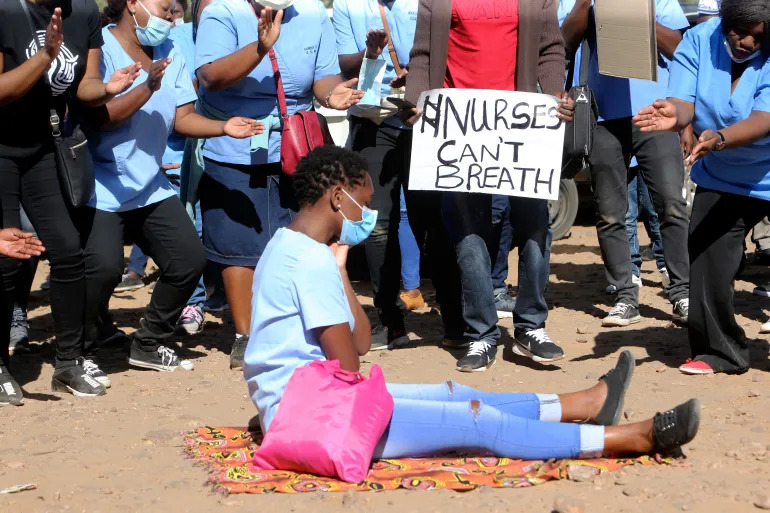
Nurses protest against poor pay and working conditions at a government hospital in Harare, Zimbabwe [File: Tsvangirayi Mukwazhi/AP Photo]

Harare, Zimbabwe – In December 2021, Setfree Mafukidze, his wife and four children moved to Somerset in the United Kingdom, joining a long list of health workers who have fled Zimbabwe to escape economic and political turmoil.

For four years, he had worked as the head nurse at the only clinic in Chivu, a town about 140km (90 miles) south of Harare.

By his estimate, he cared for more than 10,000 people there. Despite earning only about US$150 a month, he would often dip into his own pockets to pay his patients’ bills.

Once, a patient with meningitis needed US$200 to buy lifesaving medication, a huge sum in a country where a third of the population live on no more than US$1 a day

Neither the patient nor his mother had the funds, so Mafukidze appealed to well-to-do Zimbabweans in the diaspora to help.

After they did, he drove back and forth to the capital, Harare, to get the drugs.

For Zimbabweans who saw people like Mafukidze as heroes, their departures are seen as a great loss.

“He would attend to people at any given time during emergencies and could make follow-ups at our homes,” said Tawanda Mabuwu, a Chivhu resident.

“When my sister who was his patient died after he departed for the UK, he sent his wife with clothes for Christmas for the two orphans my sister left. He was just good, and we keep on losing our best.”

Fleeing Zimbabwe

After Brexit in 2016 and COVID-19 four years later led to a shortage of skilled professionals in the UK, the country eased entry rules, leading to an increase in work visas issued to foreign health and social care workers.

From September 2022 to September 2023, 21,130 Zimbabweans were given visas to work in the UK, according to Home Office data.

It was a 169 percent increase from the same period the year before, putting Zimbabwe among three countries – alongside Nigeria and India – with the largest number of citizens heading to the UK on this visa.

In November, the World Health Organization said the number of public sector health workers in Zimbabwe had been reduced by at least 4,600 since 2019 despite increased recruitment.

Five health workers told Al Jazeera they would jump at an opportunity to work abroad.

Dozens of WhatsApp groups have been created with those who have left offering tips to members who are looking to leave or are in the process of doing so.

“Nurses in Zimbabwe are not paid well enough to stick around when an opportunity to leave arises. It’s all about remuneration. It’s all about conditions of service,” said Mafukidze, who decided to leave to give his children better opportunities and advance himself academically.

A healthcare worker who spoke on the condition of anonymity to Al Jazeera said he used to earn the equivalent of US$150 per month but now gets 3,000 pounds (US$3,782) per month after taxes.

Beyond pay, many healthcare workers in the African nation said they opted to migrate because of the general state of the healthcare sector.

Health training schools are ill-equipped and have too few tutors. Hospitals lack functioning equipment and have inadequate drug supplies and poor working conditions.

The situation has been worsened by a deepening economic crisis that President Emmerson Mnangagwa has been unable to halt since toppling Robert Mugabe in November 2017 in a military coup.

“At the moment, there are shortages of staff, leading to burnout to those who are there. … The buildings are dilapidated. People need competitive salaries, and the issue of the economy must be addressed,” said Enock Dongo, president of the Zimbabwe Nurses Association.

Zimbabweans living in border towns are increasingly crossing to neighbouring South Africa and Zambia for healthcare.

In 2022, an official in South Africa’s Limpopo province was caught on camera saying the country’s healthcare system was being overwhelmed by an influx of Zimbabwean patients.

Donald Mujiri, spokesperson for Zimbabwe’s Ministry of Health, did not respond to Al Jazeera’s questions about the continuing migration or the state of healthcare in Zimbabwe.

Solwayo Ngwenya attends to a patient at Mpilo Hospital in Bulawayo, Zimbabwe [Clemence Manyukwe/Al Jazeera]

A continuing dilemma

Despite being separated by oceans, many health workers abroad still keep in touch with their former patients and become sad whenever they get news of a death.

“I’m emotionally attached because I know that when someone has to reach a person who is more than 10,000 miles (16,000km) away from them for that kind of assistance, it means there is a gap. There is definitely a gap,” said Mafukidze, who is in his 40s.

That continuing bond has now led to a personal dilemma for dozens of these emigrants watching helplessly as Zimbabwe’s healthcare system and economy continue to deteriorate: to remain in their new homes where their time and talents are better rewarded or return home to help the patients they left behind.

“I have had a long list of patients, people who believed in my services, who constantly reach out to me, … and I have constantly helped them over the phone, but I have always felt I was better off on the ground,” Mafukidze said. “Unfortunately along the way, some have been lost, and it gives me some sadness to say maybe if I was there, things could have been different. … That feeling grips me [like] I neglected people back home.”

He delivers consultations virtually by WhatsApp or calls, focusing on diabetes care after having lost his mother to the ailment when he was only 12 years old.

Another nurse who left for Somerset in 2019, Tapiwa Mujuru said he was attached to teenagers who were born HIV-positive while working at a Harare facility.

“I used to tell them that they were going to make it, … but when I told them I was leaving, I saw self-doubt in their eyes. To tell you the truth, I felt bad about leaving, but I had to leave. I feel better that we still talk on WhatsApp,” he said.

In one WhatsApp group with 48 health workers, there was a unanimous agreement that they would like to return home one day. In similar groups, the matter is being debated too.

In one such group, members said once they build houses in Zimbabwe and secure their future through investments and savings, they will return. But for now, they are staying away until the pay increases and working conditions improve.

The group’s members have other complaints. The list of patients at British public hospitals are longer than back in Zimbabwe.

For instance, waiting times for general practitioner appointments often take three to six months. Some said they are still finding it tough adapting to the weather.

Others feel homesick and crave the communality and social life back in Zimbabwe.

Some nurses also said they need a second job to get by. While they earn more, their bills have increased. But the skilled worker visa allows them to work only 20 extra hours at a second job, Mafukidze said, so finding one is tough.

Back in Zimbabwe, there are calls for them to start returning home to help rebuild.

Professor Solwayo Ngwenya, clinical director at Mpilo Hospital in Zimbabwe’s second-largest city, Bulawayo, once worked in the UK’s National Health Service. Six years after leaving for the UK, he retraced his footsteps and set up the 30-bed hospital he now heads.

“I had always wanted to return home, where I always felt I would do well and treat the local population. … I returned home in 2006 since I had accomplished what I had set out to achieve and for personal reasons,” he said.

He attributes his later achievements in life to returning to home soil and believes “home could be the best”.

Mafukidze is convinced that he and some of his peers abroad will return to Zimbabwe one day to help their compatriots.

“I know these people need me,” he said.

SOURCE::: Al Jazeera via link https://www.aljazeera.com/features/2024/2/9/zimbabwe-nurses-seek-better-conditions-abroad-but-fear-for-patients-at-home

UNICEF supports Zim’s Integrated Approach in the Battle Against Cholera

on February 9, 2024 in Cholera, News, Press Statements

Empowering Communities: Ensuring access to safe water and promoting public awareness on cholera prevention

Zimbabwe is currently grappling with a cholera outbreak, with more than 22,000 recorded cases and over 500 suspected and confirmed deaths.

The widespread impact of the outbreak has touched every corner of the country.

UNICEF is actively supporting the government-led response to the cholera crisis on multiple fronts, treatment of cholera-infected people, initiatives to provide access to safe water, disseminating preventive messages, and advocating for seeking medical support in case of infection.

To address the urgent needs of affected communities, UNICEF supplies critical items such as water purification tablets, hygiene kits, soap, and water containers.

These essentials play a crucial role in ensuring communities have access to clean water and can uphold proper sanitation practices.

Additionally, UNICEF is actively involved in the cholera vaccination campaign and the implementation of public awareness activities, designed to inform communities about cholera’s causes, preventive measures, and the significance of hygiene practices.

Emphasising community participation, UNICEF collaborates with local leaders, influencers, and health workers to effectively communicate key messages and engage communities in the prevention and response efforts against cholera.

A Learner from Glen View 7 primary school in school in one of the cholera hotspots in Harare is washing their hands using UNICEF supported handwashing station

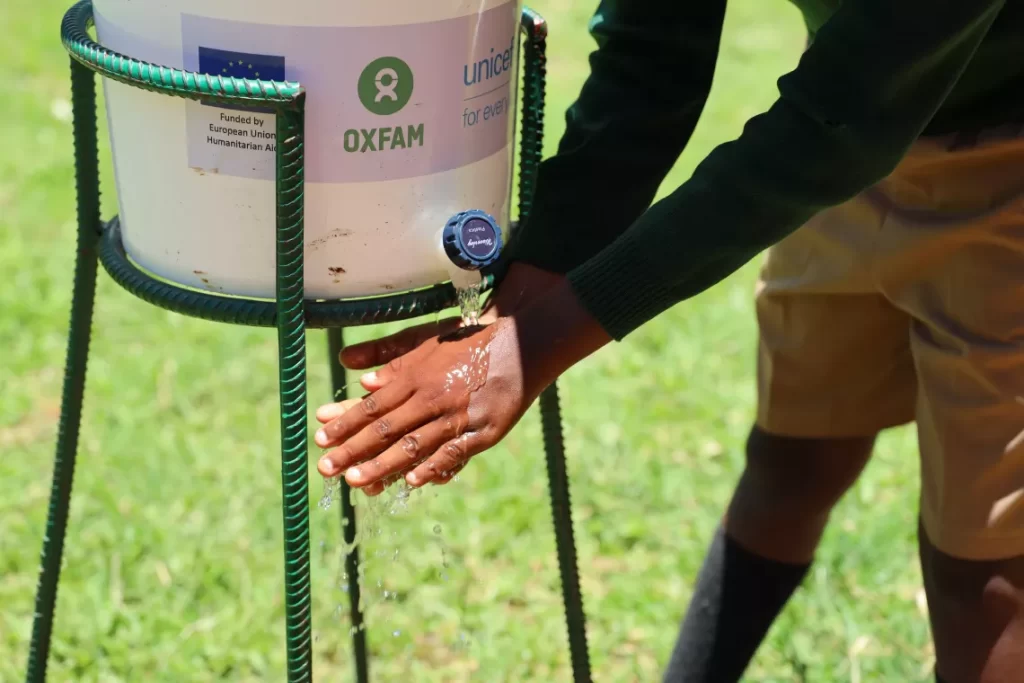
More than 260,000 people have been reached with critical WASH [water, sanitation and hygiene] supplies, including the distribution of over 1,200 handwashing stations in schools in hotspot areas as part of the back-to-school campaign.

The supply of non-food items (NFIs) ensures that children learn in a safe environment to promote access to quality education.

A learner from Glen View 7 Primary School, in school in one of the cholera hotspots in Harare, standing beside UNICEF supported handwashing station

As part of the back-to-school campaign over 10,000 school children were the recipients of key hygiene messages on cholera and its prevention via Rapid-Pro.

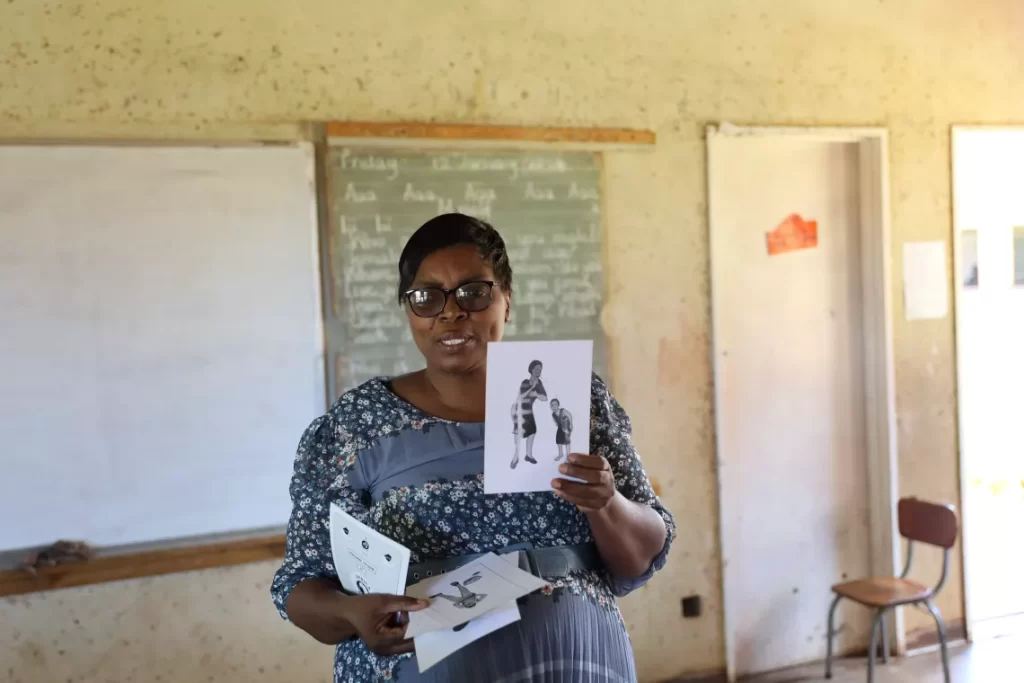
Priscilla Chimbwanda (56), School Health Coordinator uses visual cards to deliver key messages on hygiene messages and Cholera prevention to a classroom full of students

School Health Coordinators have been integral to the back-to-school activities, trained by UNICEF and partners in collaboration with the Ministry of Primary and Secondary Education on essential hygiene messages for cholera prevention.

This ensures a comprehensive approach to addressing cholera within the school environment.

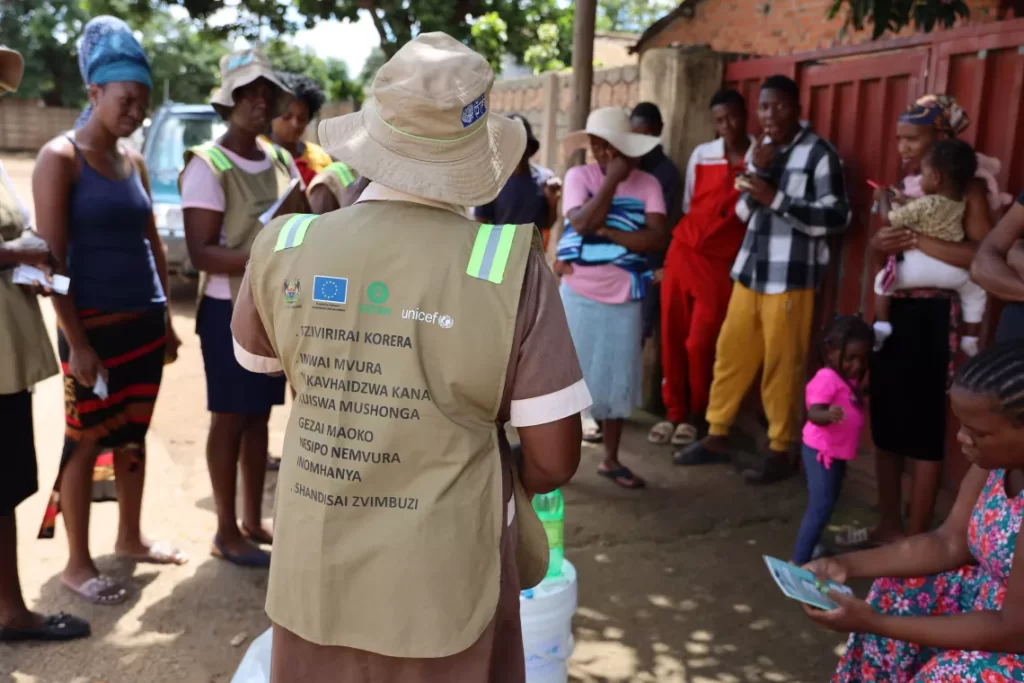
A Community Health Promoter from Glen View, a cholera hotspot area in Harare, delivers door-to-door campaign to deliver key hygiene and cholera prevention messages and the distribution of critical supplies

Community Health Promoters are conducting door-to-door campaigns delivering key hygiene and Cholera prevention messages and the distribution of critical supplies.

UNICEF in collaboration with the Ministry of Health and Child Care, trained over 2,2200 health workers, including Community Health Promoters on household case management, community disease surveillance and treatment of patients.

Health workers play a crucial role as a link between the community and the ongoing efforts.

Pepukai Moyo (21) receives Oral Rehydration Solution (ORS) for her 9-month-old son from Oral Rehydration Point in Kuwadzana, a Cholera Hotspot area in Harare.

The Ministry of Health and Childcare, UNICEF and partners established more than 90 oral rehydration points in hotspot communities nationwide, for rehydration of suspected cholera cases to reduce fatality.

Mothers and their small children, pregnant women, people with disabilities, the elderly, and the chronically ill can now readily interact with facility in community.

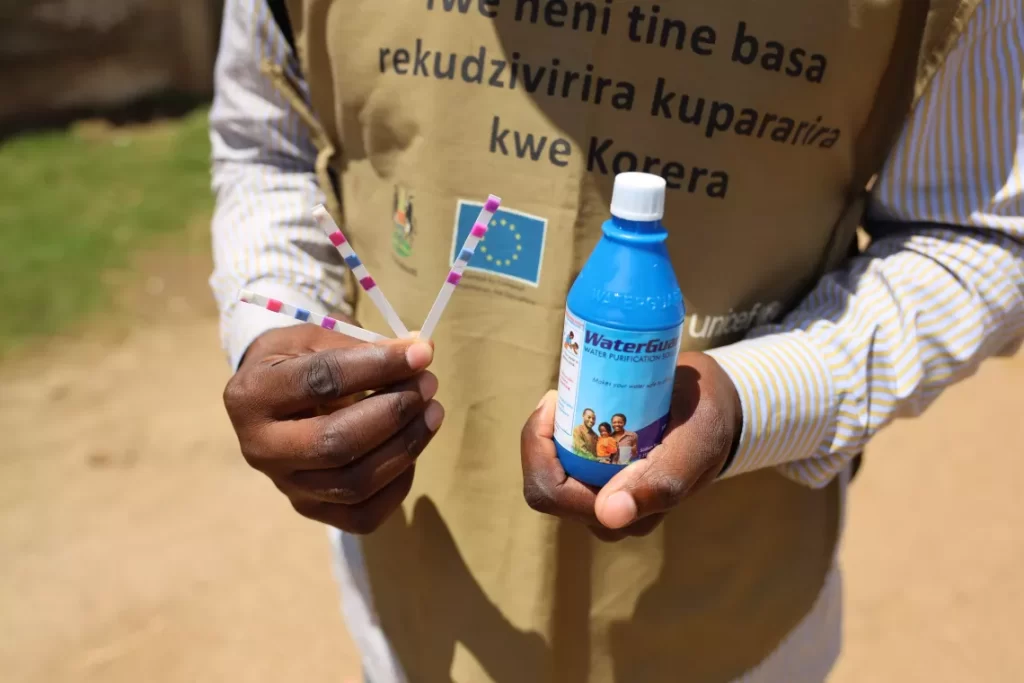
Community Health Promoter holding water guard chlorination and litmus paper to conduct testing of household water chlorination levels.

As part of ongoing efforts in the Cholera response, UNICEF and partners capacitated and equipped Community Health Promoters to conduct free residual chlorine testing.

UNICEF is promoting household chlorination to increase access to safe water.

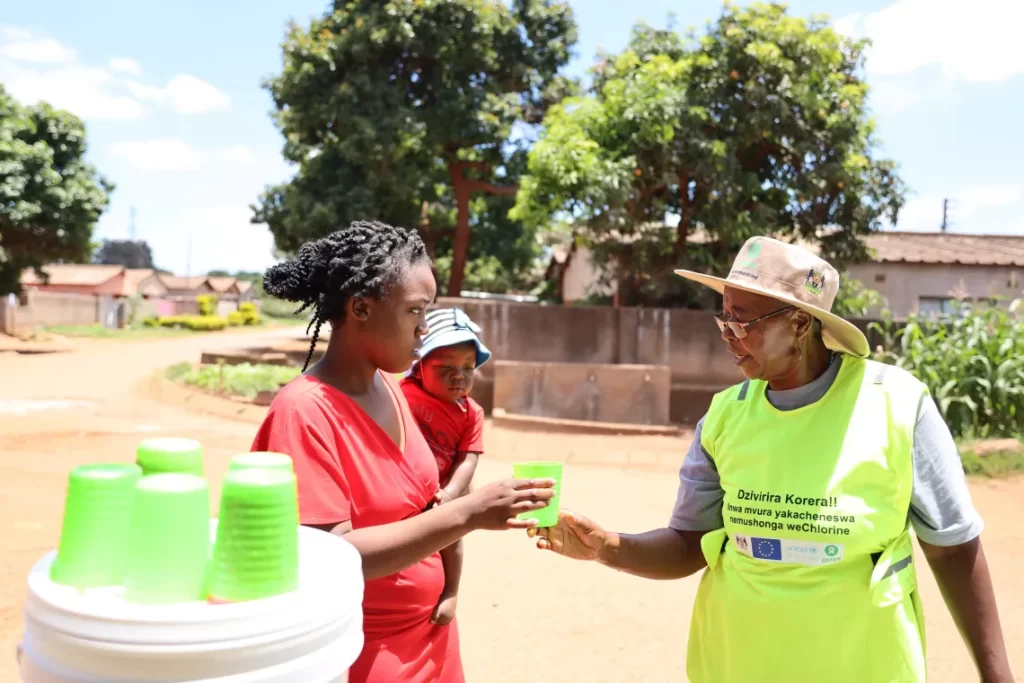
Community Health Promoter, Perpetua Maposa (60) from Kuwadzana, a Cholera hotspot area in Harare, conducts bucket chlorination at a community borehole.

To promote access to safe water, UNICEF has facilitated chlorination of water being collected at community boreholes through Community Health Workers. 

More than 200 000 litres of water collected at community boreholes in cholera hotspot suburbs in Harare was made safe through the bucket chlorination approach.

Yvonne Mataranyika (73) receives oral rehydration solution at the Oral Rehydration Point (ORP) in Kuwadzana, a Cholera hotspot area in Harare

UNICEF’s cholera response is funded by multiple donors, including the Centre for Disease Control and Prevention (CDC); the European Civil Protection and Humanitarian Aid Operations (ECHO); the Health Resilience Fund (HRF), a Zimbabwean pooled fund supported by the Governments of Ireland, the United Kingdom, the European Union, and GAVI, the Vaccine Alliance; Japan; the UN Central Emergency Response Fund (CERF) and UNICEF Global Humanitarian Funding, and with in-kind support from private sector partners such as Alliance Media & JCDecaux for digital billboards, and Cash-In-Kind logistics support for commodities from Universal Postal Services (UPS).

SOURCE:: Unicef via https://www.unicef.org/zimbabwe/stories/unicef-supports-zimbabwes-integrated-approach-battle-against-cholera