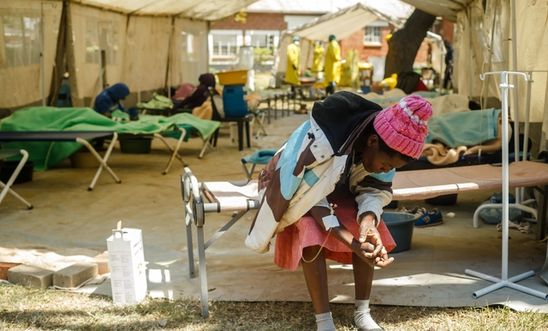
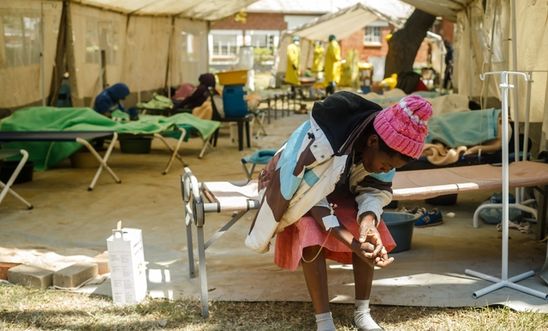
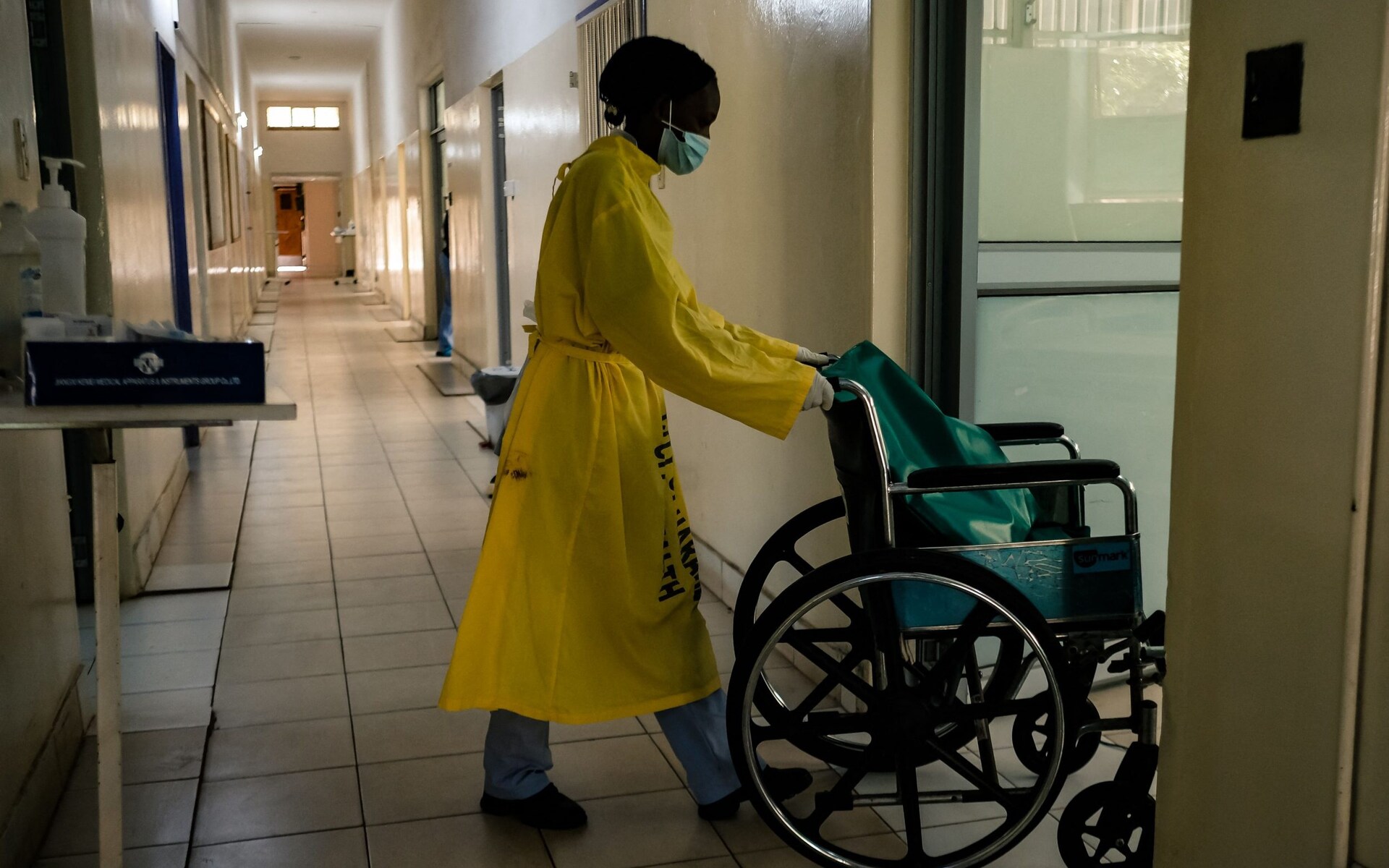
A cholera patient receiving treatment at a government hospital in Harare, Zimbabwe
Zimbabwe has been struggling to contain spread of cholera outbreak, with the government announcing measures amid fears of a repeat of its 2008 outbreak that sparked a “national emergency”.
Cholera cases span all 10 of Zimbabwe’s provinces, with the most alarming spikes in the south-eastern provinces of Masvingo and Manicaland, the epicentre of the crisis.
Cholera outbreak has killed more than 100 people and infected 5,000 since February, according to government estimates.
To curb the spread, the government has imposed restrictions in vulnerable areas, limiting funerals to 50 people and forbidding attendees from shaking hands or serving food at the gatherings.
Authorities are also discouraging people from frequenting open-air markets, unlicensed vendors, or outdoor church camps where sanitation is scarce.
Cholera, a water-borne disease caused by ingesting contaminated food or water, often spreads quickly throughout Zimbabwe because of its poor sanitation infrastructure and limited clean water.
Many Zimbabweans, especially in remote villages, stay without tap water for months at a time, forcing them to draw from unsafe wells or rivers. Raw sewage spilling from busted pipes and heaps of lingering refuse increase the risk of the disease spreading.
The cholera problem is not new
Zimbabweans say their struggles to access clean water or water-purification supplies have recently intensified, putting them at greater risk of catching the disease.
“The cholera problem is not new. We’ve had it for a while but …There used to be health workers who would move around communities distributing water purification tablets that we could use to treat open wells. That isn’t happening anymore,” Answer Nyamukondiwa, a resident of Buhera, the hardest-hit city 250km (155 miles) away from the capital, told Al Jazeera TV.
Other residents lamented the deterioration of safe boreholes, which are narrow water wells that some 38 percent of the population relies on for water.
“We do not have enough boreholes,” one woman in the eastern town of Murambinda told Al Jazeera TV. “There is so much pressure on the few boreholes serving big villages. When these boreholes break down, people have no option [other] than to fetch water in the contaminated rivers. We need more boreholes. We are getting cholera when we drink contaminated water from the rivers.”
Zimbabwean President Emmerson Mnangagwa has acknowledged the country’s infrastructure shortcomings and announced plans to drill more boreholes for each of the country’s 35,000 villages in the next year.
Zimbabwe’s current cholera crisis is the worst since 2008, when some 4,000 civilians died in a nationwide outbreak that the government declared a “national emergency”.
Cholera is also a recurring problem in other nearby southern African states, including Malawi, South Africa, and Mozambique. Together, these countries and Zimbabwe have seen 1,000 of their citizens die from the disease since late 2022.
THERE was outrage in the medical fraternity following the death of a Manicaland-based medical doctor in a road accident last Friday night. Mthabisi Nembaware was a passenger in a vehicle whose tyre burst along the Hauna-Mutare Highway. He sustained a traumatic brain injury and was initially stabilised at Mutare Provincial Hospital. However, due to the lack of a functional intensive care unit at Manicaland’s largest referral hospital, which is currently operating with an inefficient ambulance system, he could not be airlifted to Harare for specialised medical care because the Mutare airport had malfunctioning landing lights. Nembaware succumbed to the injuries at around 11pm on Friday night. The medical doctor, who reportedly was returning from duty at Hauna Hospital when the accident occurred, was betrayed by a system which he diligently served, stakeholders in the medical fraternity charged. In response to the tragic turn of events, doctors and experts from across the board expressed grief over Nembaware’s fate. Zimbabwe Association of Doctors for Human Rights secretary Norman Matara said: “The circumstances surrounding the death of Dr Mthabisi Nembaware are just the ripple effects of a failed health delivery system and a failed State. “It is unfortunate that Zimbabwean citizens continue to lose their lives through avoidable deaths. While we acknowledge that people even in developed countries die from accidents, citizens should be given a chance to live through timely and appropriate emergency healthcare services. “Dr Nembaware wasn’t able to get that. His death serves as another reminder to the government of Zimbabwe to introspect and seriously invest in healthcare so that we address these challenges that have been there for decades and continue to claim lives of innocent citizens.” Health expert Hamadziripi Dube said the operating system had let them down and that a relook was inevitable. “There is no proper system in place to provide private transportation for doctors and we call upon the government to re-introduce the systems that were in place soon after independence,” Dube said. “Serious intervention is needed. Some time back, there were vehicle loans for medical personnel, where they could purchase personal vehicles, but right now, that privilege is not there. “It is a call for the government to revisit all the statutory instruments that were (in place) in the (late former President Robert) Mugabe era.” Added Dube: “The second republic has removed a number of things that were being done to assist medical personnel. Doctors working in the rural areas need to be incentivised. “There are a number of things which are non-monetary. If it was private transport, it was going to be something else, but look, a medical doctor died in a public transport, a mushikashika vehicle. It is a call for the government to intervene,” he added. The 30 helicopters bought by government from Russia last year as air ambulances were in no show at the critical moment for Nembaware, who will be buried today in Chiware village, Makoni district, Manicaland province. Another health expert, Josephat Chiripanyanga, said Nembaware’s ordeal was a reflection of how medical personnel suffer to save lives. He expressed worry over the manner in which Nembaware died. “As medical practitioners, it is sad that we failed to save one of our own, which also goes a long way to express the challenges we face in the medical fraternity. If it is difficult to save one of our own, how difficult is it going to be to save even the generality of our patients?” Chiripanyanga said. “As such, we encourage the government and implore it to improve the health delivery systems, especially when it comes to referrals, availability of ambulances, air ambulances, helicopters and all those things to the general public and to be easily accessible and affordable. “The systems should also be upgraded to work properly to provide better services to the general public. We plead with the newly-appointed Minister of Health, Dr Douglas Mombeshora to improve issues to do with air ambulances, helicopters and things like that so that we can be able to transfer patients on time.” He added: “We are asking the government to ensure that specialist services are available in all provinces and even in rural set-ups. We are pleading with the government to be able to provide all the specialists to man the health institutions so that they are able to provide emergency services without having to worry over transporting patients for such services.” On Saturday, nurses at Sally Mugabe Central Hospital expressed shock that the system Nembaware had served failed to save him. “If that can happen to a government doctor, what more about us mere nurses. We can imagine how even the poor man on the street can be saved,” the nurses said. Contacted for comment, Mombeshora said he was not aware of the death of Nembaware. “I have been out the whole day attending Chitungwiza (Central) Hospital CEO [chief executive officer] Michael Chiwanga’s funeral. I am yet to be apprised on that,” he said.
The Community Working Group on Health (CWGH) has written an open letter to President Emmerson Mnangagwa urging the new government to prioritize comprehensive reforms of the health delivery system through the strengthening of Primary Health Care (PHC).
Community Working Group on Health executive director Itai Rusike
In the letter, CWGH Executive Director Itai Rusike said that the deplorable state of the country’s health system requires urgent attention, especially giving priority to revitalizing the PHC concept and philosophy that once worked so well and gave Zimbabwe health leadership within the SADC and beyond.
“The country needs sustained investments in primary health care to rise up to the occasion and attain the health financing, health governance and therefore health care delivery goals and so enable the health system to urgently close the current gaps that may hinder the country’s attainment of its set goals and targets,” said Rusike.
Rusike said that a whole-of-government approach is needed to adequately address the social determinants of health to achieve Universal Health Coverage (UHC), thus enabling every Zimbabwean equitable access to essential and quality health services without facing financial hardships.
He also highlighted some of the key challenges facing the country’s health system, including dilapidated infrastructure, outdated equipment, shortage of medicines and health personnel, and long distances that some Zimbabweans have to travel to reach the nearest health facilities.
“The current quadruple or indeed multifaceted burden of disease and conditions, (communicable, non-communicable, injuries, HIV, maternal, perinatal, neglected tropical diseases, cancers, mental, dental, substance abuse) is unmatched by the prevailing institutional capacities, management and health staff skills to adequately detect and manage,” said Rusike.
Rusike called on the new government to take immediate action to address these challenges, including lifting the freeze on employment of health staff, rationalizing the balance of preventive, clinical, rehabilitative, palliative, and support staff in line with PHC, and designing and implementing new and innovative domestic health financing policies to fund a strengthened PHC strategy to achieve UHC.
Cervical cancer kills thousands of women each year in Zimbabwe – and each death dims more than one future. But HPV vaccines promise to turn that tide.
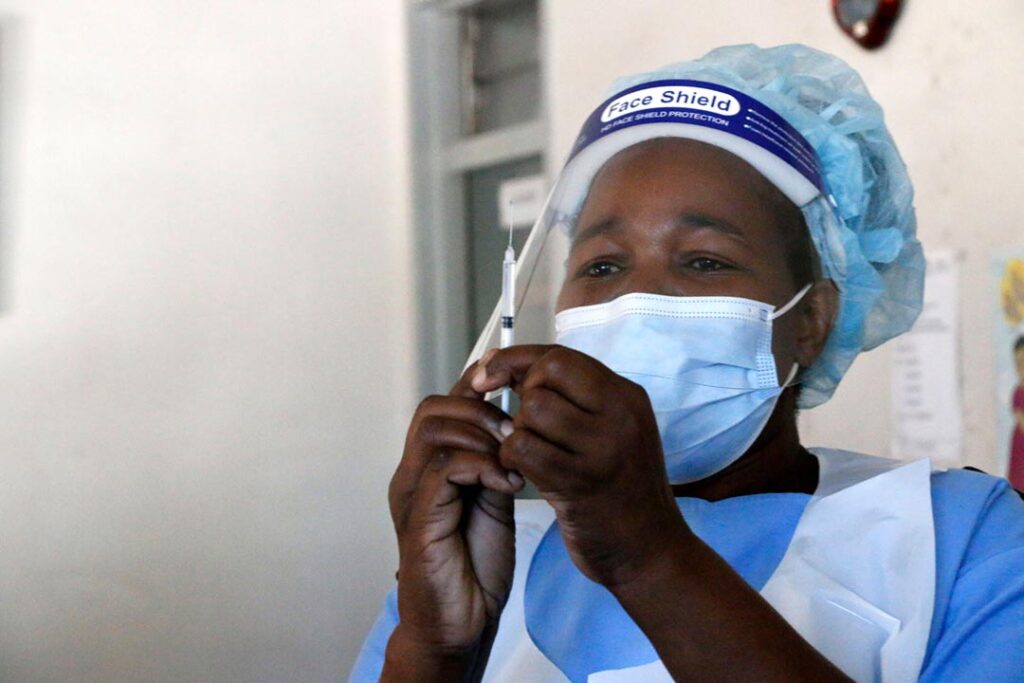
A nurse preparing a Covid-19 vaccination at Wilkins Hospital in Harare, during a nationwide integrated vaccine that bundled HPV, COVID-19 and tetanus immunisation. Credit: Annie Mpalume
Fifteen years ago, when Faith Mudangwe was 14, she became a caregiver to her dying mother. She looked on helplessly, limited by scarce resources and poor access to health facilities, as her mother’s weight plummeted, and then as she began to bleed non-stop.
“After my mother’s death, life became very hard for us as a family because we had no one to look after us.”
– Faith Mudangwe, who lost her mother to cervical cancer
After months of visiting various hospitals, Mudangwe’s mother was put on home-based hospice care. She died aged 35, leaving her young family effectively orphaned. Faith’s father married another woman and started a new family. Faith, the eldest child, felt the responsibility for her family come to rest on her shoulders.
“After my mother’s death, life became very hard for us as a family because we had no one to look after us and provide for the family,” Mudangwe, now 29, recalls. “Everything happened so fast, we didn’t know what to do, or where to turn to.”
The hospital confirmed cervical cancer and HIV as the joint cause of death. Both conditions were unfortunately diagnosed very late, after years of shuffling between faith healers, in desperate search for spiritual intervention, but all to no avail, on a continent where cervical cancer screening is estimated at just 12%.
It’s unfortunately not an uncommon story. Close to 2000 Zimbabwean women die slow painful deaths from the disease annually.
That’s all the more alarming because cervical cancer is vaccine-preventable. More than 95% of cervical cancer cases are caused by infection with the human papillomavirus (HPV) according to WHO. Zimbabwe’s nationwide rollout of the HPV vaccine began in 2018. According to country administrative data , coverage stood at an estimated 80% in 2019. Still, 62 women out of every 100,000 are diagnosed with the illness each year.
COVID-19’s disruptions promised a potential setback. Aiming to tackle more than one trouble spot at a time, the country recently undertook an integrated vaccination campaign, bundling HPV, tetanus and COVID-19 immunisation. The HPV vaccination targeted around 800,000 young girls aged ten to 14 years.
“These days, young girls are getting sexually active as early as 12 years, and by giving them the HPV vaccine early, it will help prevent them from cervical cancer,”said Judith Gwati, a health worker.
Other vaccination programmes have been disturbed by the COVID-19 pandemic, while resources and efforts were channelled to combat the novel coronavirus, which has killed more than 5,700 people since January 2020.
“The issue of administering HPV vaccines, as much as it is an important cancer prevention procedure, involved contact between those who are administering the vaccine and the community,” Lovemore Makurirofa, a research and information officer at the Cancer Association of Zimbabwe, told NewsDay. “Because of the lockdown and other COVID-19 prevention mechanisms such as avoiding contact, these programmes were suspended.”
A preventable death is a tragedy that ripples outwards, tingeing the lives of the people left behind. The loss of her mother left teenaged Faith Mudangwe exposed to exploitation.
Her new custodians covertly negotiated her marriage to a potential suitor, a 70-year-old man, she says. She was not asked for her consent, and says she had never truly understood the costs of forced union, until she was officially handed over to the old man as his new bride, in exchange for a paltry bride price – some household groceries.
“I was disturbed to get married to an old man whom I respected and considered as my own grandfather,” Faith recalls. “When I arrived at my new home, I was totally confused and I really missed going to school with my friends.”
In Zimbabwe, one woman out of three is married before adulthood. Married at 14, Faith became sexually active early, which further increased her chances of sexually transmitted diseases, including causing HPV.
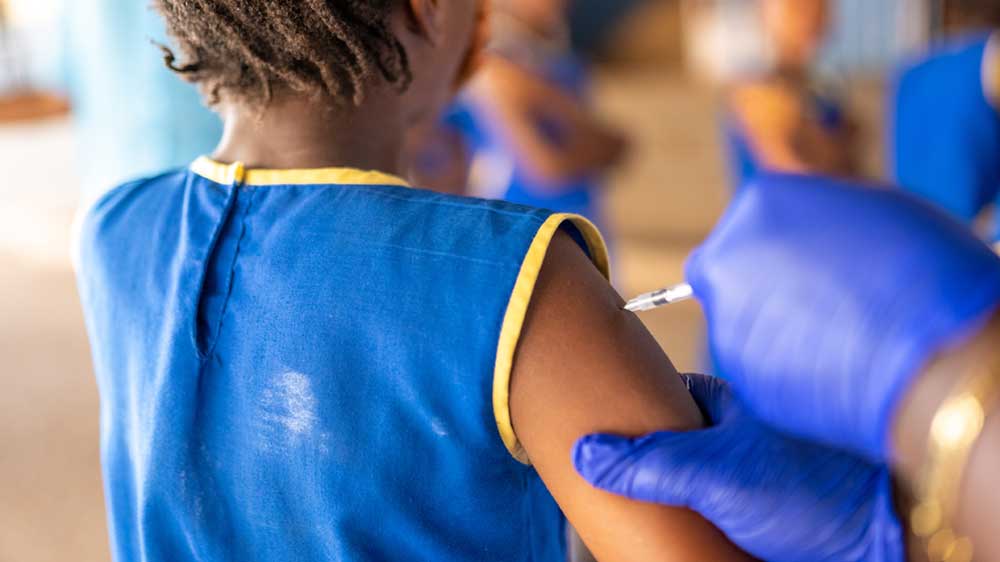
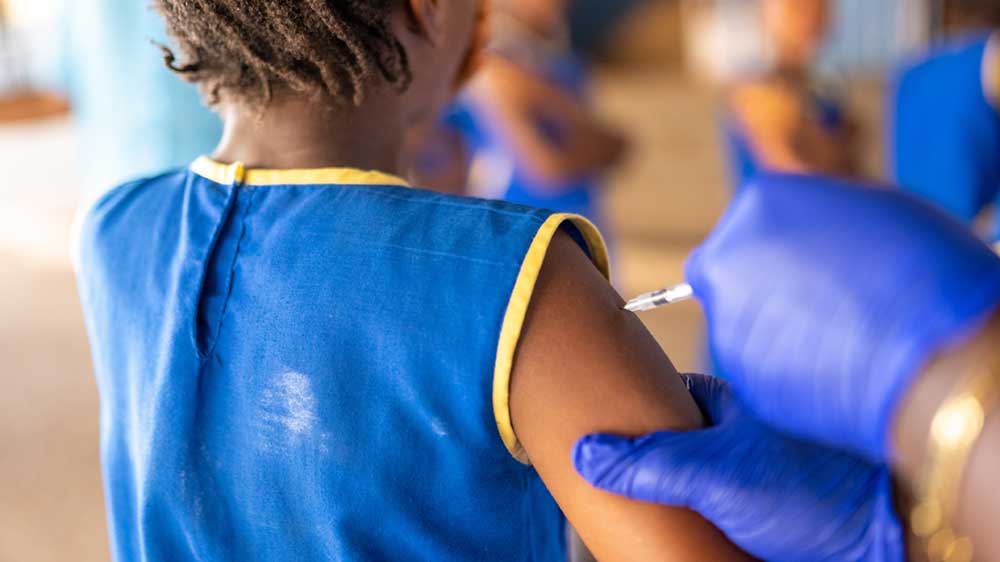
A girl getting vaccinated against HPV. Credit: Gavi/2023/Dominique Fofanah
Vaccines sting, and they don’t protect against child marriage – but they are likely to save the lives of tens of thousands of the young generation.
Dylan Mabwe, 11, a girl from Harare, had mixed feelings about her recent tetanus and HPV vaccination jabs. “The two jabs were very painful, but I now understand it will help me have a healthy future. I watched my friends crying and running away, but we had to get vaccinated,” she said.
“We have been conducting the HPV and tetanus vaccination campaign in schools for the past few days before the schools closed down, in order to reach a wider number of students, and those who might have missed out before,” Shamiso Kitano, a health worker, said. “There was a higher turnout and reach during the campaign and most parents gave their consent. The vaccination campaign was easy for us, and we managed to reach many children.”
“The two jabs were very painful, but I now understand it will help me have a healthy future. I watched my friends crying and running away, but we had to get vaccinated.”
– Dylan Mabwe, age 11
Apart from schools, other teams focused their attention on public places like shopping malls, churches and social facilities to reach those who had missed out. At some public gatherings, the vaccination teams announced their presence for people to visit their stalls for vaccination, and other health services, like blood pressure checkups, and family planning advice.
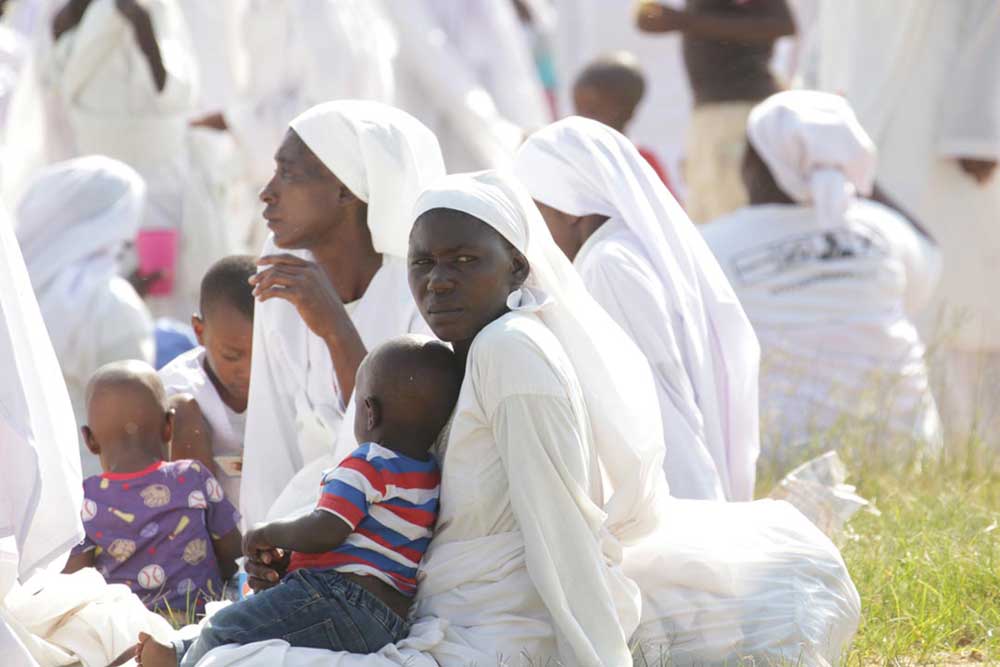
But despite the notable success of the integrated vaccination campaign, problems persist. Even with the documented prevalence of cervical cancer in Zimbabwe, some girls from some apostolic sects still refused to get vaccinated, citing their religious beliefs. Besides that, there is a general lack of proper health information.
Members of apostolic religious groups in Zimbabwe are frequently opposed to childhood vaccination. Credit: Elia Ntali
For Faith, now a mother of four, the scars of a stolen childhood are visible. Her speech is guarded, calculated. She says she is suspicious of strangers. She’s a survivor, however – and she means to make sure that her children get what she missed out on: “I want my children to get proper medical healthcare and get married when they are mature.”
ZIMBABWE has made significant strides towards ending HIV and Aids by 2030, with the prevalence rate now at 11% while the incidence rate is below two percent nationally.
The prevalence rate, 12,9% as at December 2020, is still high in border towns and among key populations such as sex workers, same-sex partners, and transgender and drug abusers.
Globally in all countries, there has been a general decline in HIV infections and Zimbabwe has the largest decline of 57% in Southern Africa, while some countries have an increase in new infections.
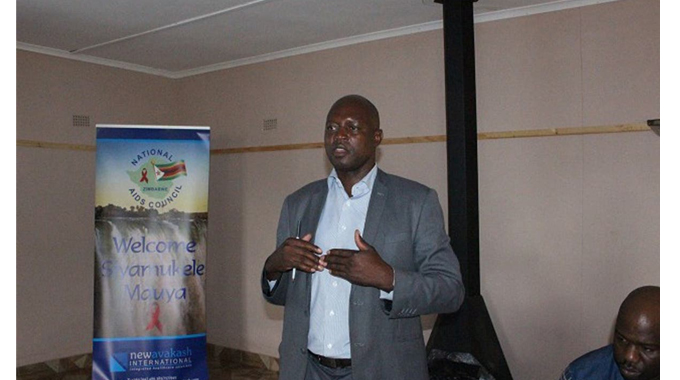
Giving an update on HIV and Aids response in the country at the ongoing 10th edition of the Uniformed Forces health services conference in Victoria Falls, National Aids Council monitoring and evaluation director, Mr Amon Mpofu said the country now needs to intensify measures that sustain the gains achieved so far.
National Aids Council monitoring and evaluation director Mr Amon Mpofu
Mr Mpofu said programmes such as prevention of mother-to-child transmission (PMCT), and anti-retroviral therapy (ART), among others, have played a significant role in preventing deaths. He said there is a need for behaviour change to prevent new infections.
The HIV population in Zimbabwe is around 1,3 million and it varies by province. Harare and border towns such as Beitbridge and Plumtree have the highest because of their proximity to the region.
“Our prevalence of 11% continues to decline as confirmed by our HIV estimates. Incidence have gone down to 1,7% nationally and we all know that we want to end Aids by 2030 and it shows that we have to bend the graph,” said Mr Mpofu.
“We have done so well, but we still have a lot of challenges here among the female sex workers where the prevalence is as high as 54%. This is quite high among men having sex with men and prevalence is around 21%.”
Mr Mpofu said for people injecting drugs it is 29% while for transgender it is 28,0%.
“We have run different models and all of them confirm that we have a bigger problem among key populations. Extraordinary measures are needed for us to get there. The country is on course but the work ahead is great to be able to get to that point of bending the graph by 2030,” he said.
Mr Mpofu said great strides have been made towards the 90-90-90 target on HIV prevention, a concept introduced by the United Nations Programme on HIV/AIDS in 2013.
In 2020, 90% of people who are HIV-infected were supposed to be diagnosed, 90% of people who were diagnosed were to be on antiretroviral treatment and 90% of those who receive antiretroviral treatment to be virally suppressed.
The country is set to host the International Conference on Aids and Sexually Transmitted Infections in Africa (ICASA) in Harare between December 3 and 9.
The event will run under the theme Aids is not Over: Address Inequalities, Accelerate Innovation and Inclusion.
Mr Mpofu said more needs to be done as the number of new infections and HIV-related deaths is still unacceptably high while HIV-related stigma and discrimination is still prevalent in terms of the targets.
“We have realised that the biggest challenge is transmission through mother to child and also among young girls and among men. So, we really need to address these issues, and it gives us a challenge as a country,” he said.
“As much as we have done so well in the general population, we still have a challenge among these populations which we call key populations and we need programmes now that will target them so that we get to bend that graph to reach our epidemic control for ending Aids by 2030.”
Mr Mpofu said Zimbabwe is experiencing a decline, which needs to be sustained since HIV is based on behaviour.
He said there is a need to intensify local funding than to rely on foreign funders.
HIV and Aids and TB Unit director in the Health and Child Care ministry, Dr Owen Mugurungi said HIV is one of the longest-standing epidemics in the country, which remains a socio-political and security threat.
He said the country’s success is a result of decentralised diagnostic, treatment and tracking services.
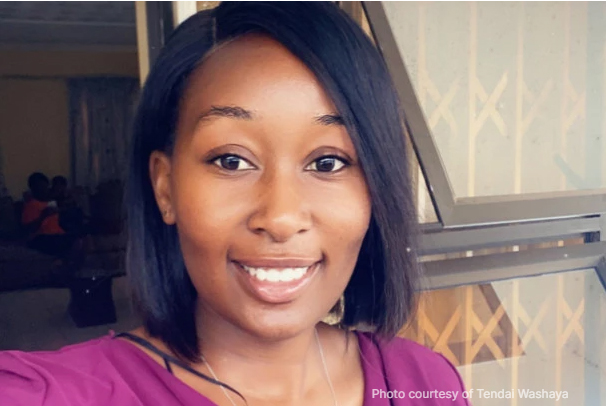
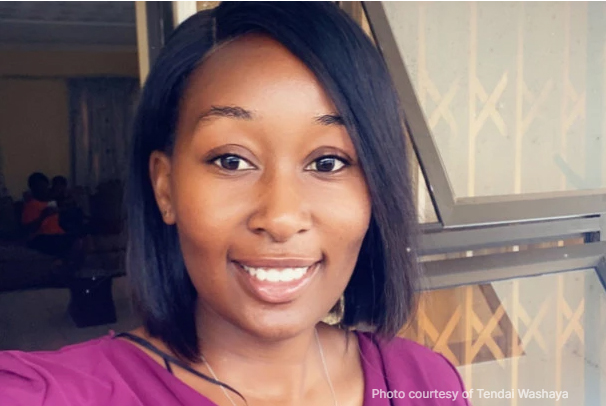
Tendai Washaya is a 29 year-old PhD fellow from the University of Zimbabwe. In this interview, she explains how, through her research, she has been striving to determine the extent of prevalence of multi-resistant HIV-1 in her country and why some patients develop greater resistance to treatment than others.
The other recipient is Adwoa Padiki Nartey from the University of Ghana. Like Tendai, Adwoa’s research project is tackling resistance to medication. However, whereas Tendai’s project is focusing on the resistance of the human body to medication, Adwoa’s research is focusing on the bacteria’s resistance to the medication designed to kill them.
Why is the topic of drug resistance to treatments for HIV-1 of particular interest to you?
The need to investigate drug resistance among patients undergoing high-intensity treatment came into focus for me when my sister was severely ill with Acquired Immune Deficiency Syndrome (AIDS). She kept getting referred for adherence counselling, despite the fact that we had specifically stated that she was taking her medication on time.
She was only found to be resistant to the medication she was taking after being transferred to a non-profit hospital and tested for drug resistance. My sister passed away in 2019.
Due to their resistance to treatment, many people receiving HIV therapy are dying from the disease. This motivated me to investigate affordable drug resistance testing methods for resource-limited countries.
Tendai Washaya PhD fellow from the University of Zimbabwe
How prevalent is HIV-1 in Zimbabwe today?
The latest statistics from UNAIDS state that there were approximately 1.4 m people living with HIV in Zimbabwe in 2021.
The World Health Organization has adopted three 95% targets at global level; by 2025, 95% of all people living with HIV should have a diagnosis, 95% of these people should be taking a life-saving antiretroviral treatment and 95% of those being treated should have a viral load low enough to enjoy quality of life and reduced onward transmission of the virus.
At this stage, 96% of Zimbabweans living with HIV are aware of their HIV status, 91% are on treatment and 85% are virally suppressed.
What is the extent of pan-resistant HIV-1 among patients who have undergone intense treatment? Has this phenomenon become more acute over time?
Doctors not only use chemotherapy to treat cancer patients. They also also use it to suppress the replication of HIV. It is an almost universal observation that, as soon as a chemotherapeutic agent against a given pathogen is introduced into the patient’s body, resistant-pathogen strains emerge.
This happens, regardless of whether the drug has a high genetic barrier to resistance, as in the case of the drug Dolutegravir. Resistant strains emerge mainly due to poor adherence and sub-therapeutic concentrations of the drug.
Without vigilant monitoring of how heavily treated patients having shown prior resistance to HIV drugs react to the new treatment, it will be inevitable that multidrug-resistant mutations develop and eventually lead to pan-resistant HIV-1.
The introduction of Dolutegravir (an integrase transfer inhibitor) as the preferred first-line drug for patients who have had prior exposure to other drugs (reverse transcriptase inhibitors and protease inhibitors) would mean that the number of people who have been exposed to all three classes of drug increases. This heightened exposure to all three classes of drug would, in turn, foster the development of pan-resistance.
What will your research seek to determine?
My study aims to determine the prevalence of multi-resistant HIV-1, the resistance profiles of patients and to investigate novel resistance sites in the patients’ body. This information is important, as it can then be used to advise on new and future treatment needs.
Moreover, given the limited availability of testing for HIV-drug resistance in resource-limited settings, a low-cost genotyping test (assay) to detect relevant mutations in the patient’s HIV-1 integrase gene would be warranted. An HIV drug resistance test costs approximately US$ 200, which is expensive for the average person. There is also a lack of machines to perform the test in the public sector.
Ultimately, my study can help to highlight the need for vigilant monitoring of the patient’s reaction to treatment, in order to reduce the transmission of multi-resistant strains and educate patients about the importance of adherence to their particular treatment, especially in settings with limited resources, such as in Zimbabwe.
What expectations do you have of your residency at the EMBL’s European Bioinformatics Institute?
My training there will help me to develop expertise in next-generation gene sequencing. I will learn how to prepare sequencing libraries for approaches based on the polymerase chain reaction (PCR). Scientists use PCR to make millions of copies of a particular tiny DNA sample, to make it easier to study.
This training will also give me practical experience in bioinformatics. I shall learn how to instruct a computer to perform a given task, such as to develop a directory of gene samples, using Linux/Unix command lines. I shall also learn how to analyse output data using bioinformatics analysis with a focus on quality control of data, reference mapping and de novo assembly approaches. I shall also learn how to do downstream analyses, such as of HIV variants associated with drug resistance.
What do you mean by de novo assembly?
The term de novo assembly refers to a method used to construct a genome from a wide array of DNA fragments, without any prior knowledge of their sequence – a bit like getting assistance with assembling a jigsaw puzzle.
Why are you unable to do analyses using bioinformatics in Zimbabwe?
In Zimbabwe, we don’t have the machine yet that I want to use for my study. I plan on using the Illuimina MiSeq platform for next-generation gene sequencing. The University of Zimbabwe does have a GeneXus but it is not yet functional because the reagents are costly.
In addition, it will be nice to learn from, and collaborate with, scientists from other countries.
On a more personal note, could you describe briefly your education and training, as well as your family situation?
I am a second-year doctoral student with the University of Zimbabwe. I hold an MSc in Biotechnology and started my career in HIV research while working towards that degree. I am interested in translational science.
I got married in 2020 and had my son, Tadiwanashe, in 2022. He is now just over a year old. I plan on travelling to Europe with my husband and son.
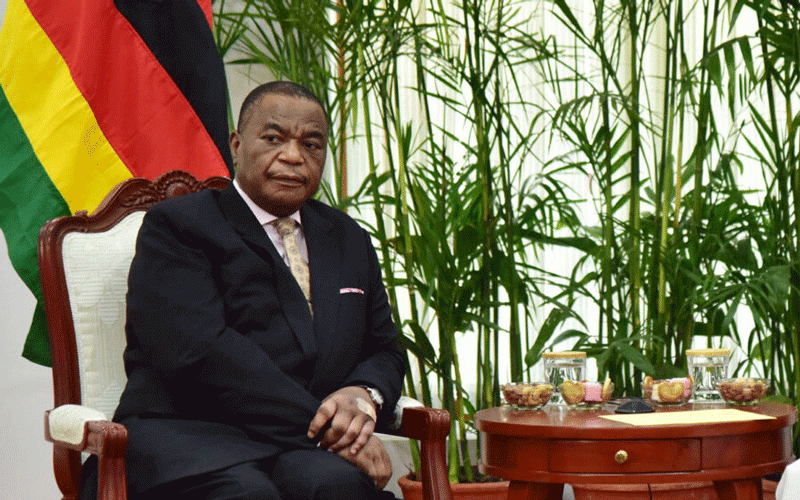
Vice-President and former Health minister Constantino Chiwenga
AUGUST was characterised by rising political temperatures and uncertainty as the nation waited for August 23-24 harmonised elections.
It was a hive of activity for political activists as campaigning was at its peak.
The business environment was not as companionable as expected as many people were not liquid which affected business operations.
What I admired most was the peace that prevailed in the country albeit isolated pockets of politically-motivated violence. Congratulations to the victors!
It will not be long before the President of Zimbabwe announces his Cabinet which should bring hope to many citizens of this country.
The previous Cabinet had a mixture of good, sedulous and godawful office-bearers and it is time the President considered meritocracy ahead of patronage.
It will be good if new faces are included in the Cabinet as that will bring confidence in the electorate that is hoping for better standards of living, economic development, improved social services, stable micro and macro-economic environments among other things.
Corruption is a scourge in our country and it should be nipped in the bud if the country is to thrive in the next five years.
So much has been said in the health, agriculture, education and transport sectors of which minimal action has been taken against perpetrators of corruption.
The scourge is threatening to bring many government departments to a standstill.
The Vehicle Inspection Department was at the centre of a corruption storm.
The health sector was immersed in corruption especially on tenders.
The Lands ministry was marred by graft allegations in the allocation of land.
The health sector has a lot of expectations and it is not a secret that health and development are symbiotic by nature.
Whoever will be appointed to head the sensitive Health ministry should take cognisance of the issues bedevilling the sector if our health system is to improve.
In the year 2007, the World Health Organisation came up with six building blocks for a sound health delivery system.
Health service delivery, health workforce, financing, leadership, drugs and medicines and information systems are all critical components that should remain standing if any nation is to have a sound health system.
The challenges we face as Zimbabwe can be traced to the six building blocks, chief among them being a demotivated health workforce and poor health financing.
Zimbabwe continues to lose critical staff to greener pastures with more than 5 000 healthcare workers having left the country in the last 18 months.
It is time for coming up with good strategies in a bid to curb the nauseating brain drain that is threatening health service delivery in the country. Where will we be as a country in the next three years if the brain drain continues unabated?
Health financing should be increased significantly if we are to be somewhere as a country.
The incoming Finance minister should know that the 2023 budget allocation of 11,2% is not enough to cover basic health service delivery.
This is contrary to the Abuja Declaration of 2000 that stipulates that a health system can only stand when at least 15% of the total budgeted has been allocated to the sector.
Health financing should, therefore, be improved and it is not pleasing to note that many public hospitals are experiencing shortages of basic sundries like gloves, syringes, suture material, cannulae, fluid giving sets, catheters, among many others.
Patients are, therefore, required to purchase the items, a development which is not only time-wasting but also retrogressive.
With public health matters taking a toll on many people in the country, primary healthcare should be strengthened.
Theatres should be well-equipped as well as public pharmacies that should at least have basic life-saving drugs.
The country should move in the right direction for the betterment of everyone.
Let unity of purpose prevail as the country is in the midst of implementing the National Development Strategy 1 which runs from 2021 to 2025. Political will is all that is required to achieve Vision 2030.
Johannes Marisa is president of the Medical and Dental Private Practitioners Association of Zimbabwe. He writes here in his personal capacity.
An election campaign poster with a portrait of Zimbabwean President Emmerson Mnangagwa
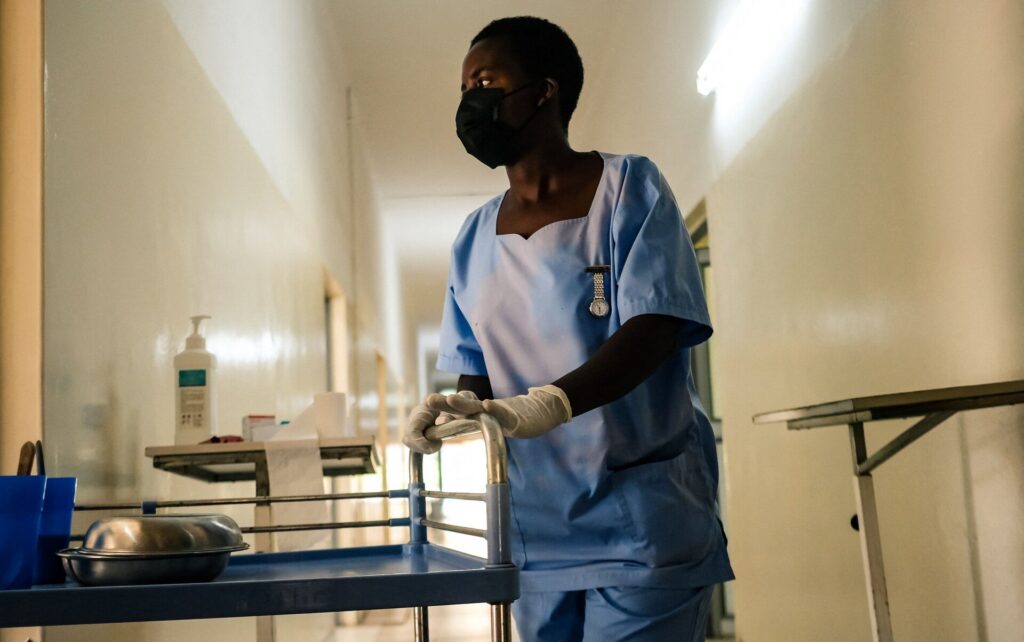
When Maggie Moyo travels to work each day at a central Harare public hospital, she feels awkward about wearing her nurse uniform on public transport.
Nursing salaries are known to be so low in Zimbabwe that she feels people are judging her.
“I am ashamed to put on my uniform. They know how much we earn and we are a laughing stock,” she tells the Telegraph.
As a 40-year-old fully registered nurse with more than 15 years experience, she earns only around £160 per month. That is more than many in what is one of Africa’s poorest countries, but it is not enough to live on. She scrapes by with side jobs, but has no savings and worries about the future.
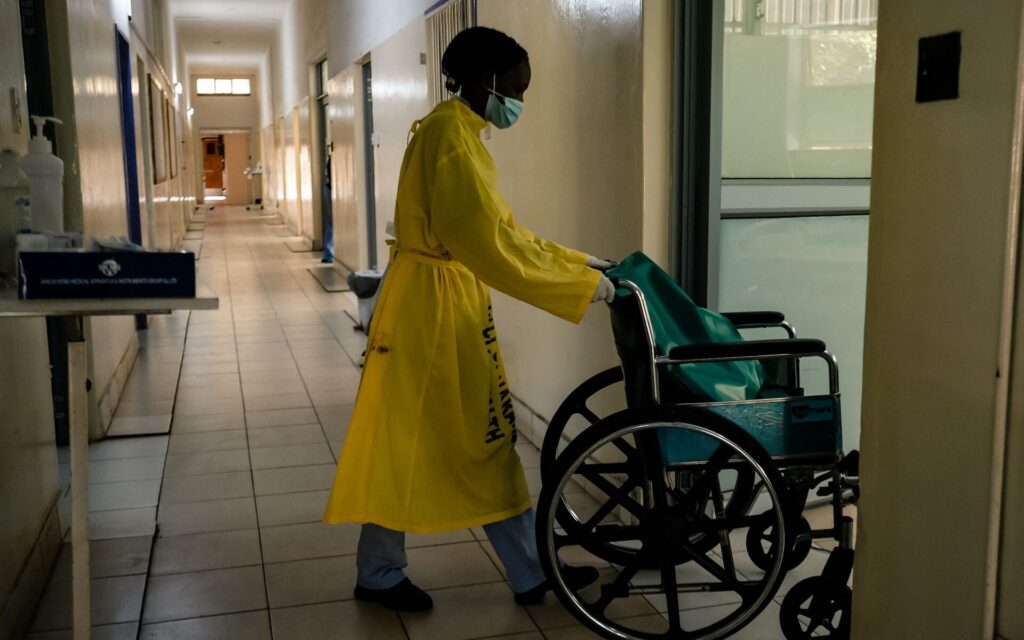
Moreover, when she is in work, the health system is so run down that she can often not help her patients. Patients increasingly have to buy their own medicine and supplies from private pharmacies.
She said: “We don’t have medicine, the hospital is very, very old and no repairs have been done. A lot of things are missing.”
Nursing salaries are so low in Zimbabwe that many staff take second jobs
Ms Moyo, who declined to give her real name, said: “Most of the time, patients have to buy their own medicine now. It’s getting worse, we have no equipment.”
As the years have gone by, she has watched colleague after colleague depart to work abroad, taking their skills and training with then and all too often not being replaced.
“There’s always a shortage of staff. People are always leaving.”
Government figures show that more than 4,000 doctors and nurses left the country from 2021 to 2022 alone, weakening a health sector already almost derelict from lack of funds.
“You can go to a hospital and be admitted, but no help is going to come, because there’s no medicine,” said one voter who gave his name as Eric, in a polling queue in central Harare.
Inflation has been running at around 100 per cent in recent months and jobs are so rare than many are forced to work informally, for example as street vendors.
The country is £14bn in debt and cannot get international loans. The local currency has plummeted and the US dollar is mostly used instead.
The country is experiencing a mass exodus of health workers
A doctor at a large central Harare hospital said: “The current healthcare situation in Zimbabwe, I would say is not that much fun. We have a whole load of challenges stemming from the worsening economic situation, so you find that the system has not been funded enough.”
He and his colleagues faced a lack of equipment and medicine. Where healthcare was once free, now patients are told they must pay for their own medicine and supplies.
A lack of resources also meant that young staff were not able to practise key procedures and progress professionally.
He said: “It’s not just a question of looking after patients, it’s also career training, because it’s a practical career, where you gain more experience by doing certain things.
“With all these things compounded, people begin to look for greener pastures.”
The crisis has helped trigger a massive brain drain.
Many medical staff hope to head to the UK where the NHS hires large numbers from developing countries and has sharply increased recruiting. Figures from June 2022 showed the NHS employed 5,460 Zimbabweans, 4,581 Ghanaians, 5,833 Pakistanis and 15,439 Nigerians among others. Many others work outside the NHS, in care homes.
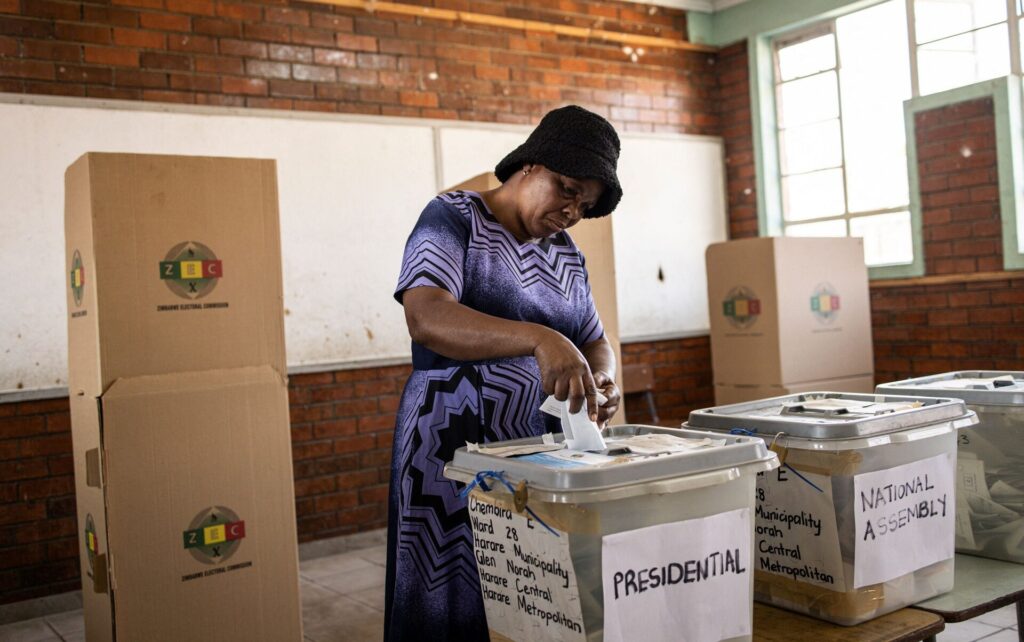
A voter casts her ballot at a polling station in Harare
UK Government figures earlier this year showed Britain issued more than 17,000 health and care-worker visas to Zimbabweans in the 12 months to the end of March. That figure was six times higher than the previous 12 months. Large numbers of visas were also issued to Indians and Nigerians.
The NHS has been criticised for poaching staff from vulnerable health systems, but it is far from alone and disparities in salaries mean many countries make tempting employers.
Canada and Australia are also popular destinations for Zimbabweans, while many choose to emigrate within southern Africa. Zimbabwean nurses and doctors can earn three or four times as much in nearby Namibia and Botswana.
On a visit to a visa processing office in central Harare last week, the Telegraph found three well qualified registered nurses trying to leave the country.
‘It is not easy in UK’
The World Health Organization has placed Zimbabwe on a list of 55 nations, 37 of them in Africa, with critical shortages of health workers that foreign countries should not recruit from.
The hospital doctor said: “Even before all this, the healthcare sector was grossly under staffed, so you can imagine now this number of people leaving is creating a further burden.”
Britain’s recruitment has angered Zimbabwe’s government. Earlier this year, the vice president, Constantino Chiwenga, threatened to criminalise the practice.
Government officials have begun withholding documents and letters of good standing that professionals need to emigrate.
One 45-year-old Zimbabwean nurse who arrived in the UK two years ago said: “I didn’t earn enough at home and I needed to prepare for the future, like retirement.”
The nurse who works in the NHS on the South Coast, but declined to be named, said the move had been hard.
He said: “To be honest it is not easy in UK. There are a lot of challenges. We work 11-12 hours a day, so the shifts are longer than the shifts at home.
“We had a better social life with our families in Zimbabwe. Here we hardly even see our family.
“It feels as if there is some racism, here. Senior staff don’t express confidence in your abilities. I was nursing full time in Zimbabwe for 15 years.”
Front pages of Zimbabwean newspapers report on the elections
The decline in Zimbabwe’s health sector and the exodus of staff is all the more painful because it has struck what was once renowned as a model for African health systems.
In the years after Zimbabwe’s independence in 1980, the country built a renowned network of primary health clinics taking care into rural areas, and general hospitals in towns and cities.
The crisis began when the country’s economy collapsed after Robert Mugabe’s seizure of white-owned farms led to sanctions and international isolation. The health sector has by now been in crisis for the best part of two decades.
Dr Henry Madzorera, a former health minister, said: “It’s not longer like it was in the 1980s. A lot of the equipment has been run down, and you can have whole classes of students graduating who have not been exposed to certain procedures. Training has gone down dramatically, but they are still in demand in the region.”
Earlier in Ms Moyo’s career, several of her friends emigrated to Australia and Canada and tried to persuade her to follow.
“I chose to remain thinking things would change, but now I feel like I made a great mistake.”
It is a mistake she is determined not to make again. If she cannot get to the West, she will move to South Africa or maybe Mozambique.
She said: “We are all desperate to go abroad.”
Source: The Telegraph / https://www.telegraph.co.uk/global-health/terror-and-security/zimbabwe-health-system-collapse-elections-africa/
AS the world prepares to converge at the United Nations High-Level Meeting on Tuberculosis (TB), Zimbabwe has launched the Accountability Report Of TB-Affected Communities & Civil Society: which prioritizes closing the Deadly Divide.
By Michael Gwarisa in Chinhoyi
The United Nations General Assembly will hold the second high-level meeting on the fight against tuberculosis on 22 September 2023 under the theme “Advancing science, finance and innovation, and their benefits, to urgently end the global tuberculosis epidemic, in particular, by ensuring equitable access to prevention, testing, treatment and care.”
Speaking at the National Level United Nations High-Level Meeting (UNHLM) dialogue in Chonhoyi which also coincided with the launch of an Accountability report of TB-Affected communities & civil society that was hosted by the Stop TB Partnership Zimbabwe, Dr Donald Tobaiwa, the Jointed Hands Welfare Organisation (JHWO) Executive Director said the report sets out recommendations for policymakers across six areas for action, which must be reflected within the UNHLM on TB political declaration, national policy frameworks, and investments.
Affected communities and civil society want to see action to close gaps in TB prevention, diagnosis, treatment and care by reaching all people with TB, focusing on the most vulnerable and marginalized and getting the basics right,” said Dr Tobaiwa.
He added that the affected communities want the TB response to be equitable, gender-responsive, rights-based, and stigma-free, with TB-affected communities and civil society at the center by 2025.
“There is need to accelerate the development, rollout of and access to essential new tools. by championing needs-based innovation, coordinating research, and planning for equitable, rapid roll-out from the start of the research process.
“Invest the funds necessary to end TB by prioritizing public investment in health, leveraging synergies between different agendas, building new partnerships and mobilizing new funding streams.”
Following the devastation and disruption of TB services by the COVID-19, Dr Tobaiwa said affected communities were demanding for the Prioritize TB in pandemic prevention, preparedness and response (PPPR), antimicrobial resistance (AMR), and universal health coverage (UHC) by ensuring alignment between policy frameworks, funding streams and accountability mechanisms. He also said there is need to commit to multisectoral action, decisive leadership and accountability through high-level attendance at the UNHLM on TB on September 22, 2023, ambitious policy reforms and robust accountability involving TB affected communities.
The UN HLM on TB was the fifth time the UN has called for a high-level meeting devoted to a health issue, the first being the 2001 Special Session on HIV/AIDS, followed by UN HLMs on Non-communicable Diseases, Ebola, and Antimicrobial Resistance.
Dr Mkhokheli Ngwenya, The World Health Organisation Zimbabwe TB Focal point said, “The aim of the meeting is to accelerate progress towards End TB; securing concrete commitments for first time from highest level government leaders for: People reached with TB and MDRTB care and prevention within frame of UHC and leaving no one behind Increased financing (especially from domestic sources). Intensified research & innovation with new tools. Accountability for multisectoral response, using WHO framework.”
Meanwhile, Ministry of Health and Child Care (MoHCC), Acting Director, TB and Leposry Department, Dr Fungai Kavenga said, “Country is making progress- Declining TB Incidence There is need for; scaling up best practices, innovations and highly, sensitive tools, strengthening community TB systems and CLM, maintaining ambitious targets and focusing on neglected risk groups and provision of TB prevention interventions.”
He added that there is need for more innovation at implementation level to reduce stigma, create demand, reduce the proportion of missed cases and improve treatment outcomes and pulling together through joint multi-sectoral accountability, leaving no one behind, will END TB in Zimbabwe.
CIVIL society organisations (CSOs) across Africa have said community participation is key in budget advocacy processes as a reminder to governments on the continent as they make budgetary plans for the coming year.
During the just-ended African Regional Advocacy Summit for NGOs and Media in Nigeria, CSOs said the community remained an important stakeholder in influencing budgetary outcomes.
Zimbabwean team leader Nonjabulo Mahlangu said communities provided valuable local knowledge and first-hand experiences that can contribute to the budget process.
“Communities can give a human face to the issues that they face, and share their experiences as far as access to health is concerned. They can share stories on the availability, affordability, appropriability and accessibility of the services,” Mahlangu said.
“This will assist in identifying gaps that need to be closed. There are various platforms where communities can participate, both at community and national levels. CSOs can raise awareness on existing spaces where communities can participate or create platforms for participation, bringing leaders to the communities.”
Project officer for the Africa Health Budget Network Health Security project, Health Alert Sierra Leone, David Joseph Allieu said community engagement in the budget process started from the community itself.
“We have the responsibility to add our voice to the budget process. It helps identify and prioritise needs as aligned to specific areas. Communities can provide feedback on services, programmes and infrastructure projects that can inform the allocation of resources in a way that reflects real needs,” Allieu said.
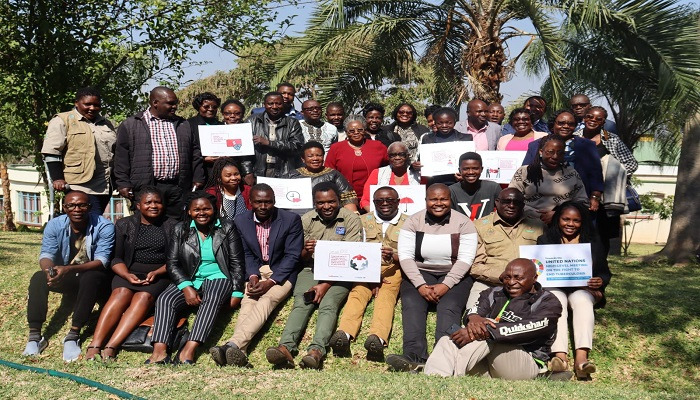
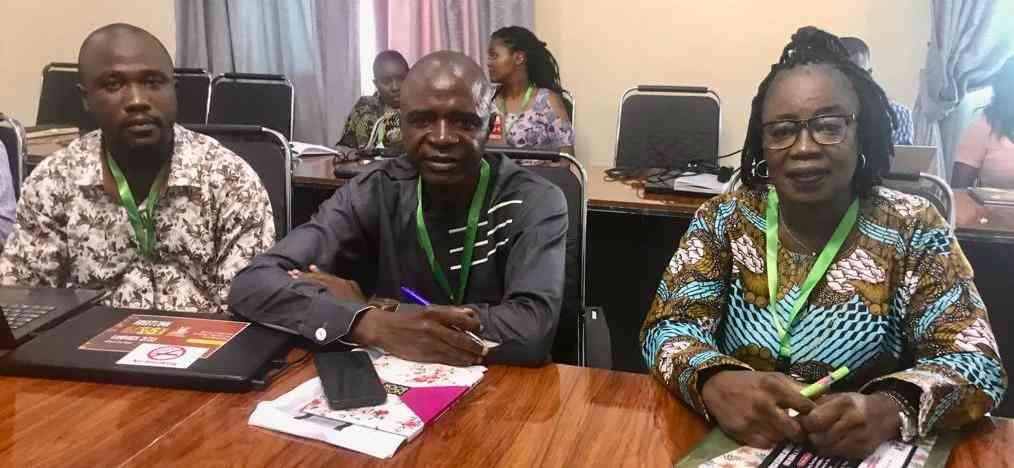
CSO stakeholders and media from eight countries which met at the summit also discussed the way forward in improving budgetary allocations to the health sector.











Recent Comments